24/7 Emergency Water Damage Response
Need help now? (888) 508-0998

Category: Mold

  • Mold

    How to Prevent Mold After Water Damage: A 72-Hour Action Plan

    Mold is not inevitable after water damage. It is the result of moisture left in place long enough for spores to colonize,…

    Read more →

    Mold is not inevitable after water damage. It is the result of moisture left in place long enough for spores to colonize, and that means it is largely preventable if you act fast. The IICRC industry standard identifies a roughly 72-hour window before mold typically begins forming on wet porous materials. Here is a practical hour-by-hour action plan to keep a water event from turning into a mold problem.

    Hours 0 to 6: Stop the Water and Document

    First, stop the water at its source: shut off the supply valve to a leaking fixture or the home’s main if a pipe burst. Then photograph everything before you move anything, since timestamped photos are what your insurer needs. Cut power to affected circuits at the breaker if water is near outlets. The goal in these first hours is to stop the water from spreading further into the structure.

    Hours 6 to 24: Remove Water and Wet Materials

    Extract standing water with a wet-vac, mops, and towels, emptying frequently. Lift area rugs and move furniture out of the wet zone or place foil or wood blocks under the legs. Remove and discard saturated carpet pad, which holds water against the subfloor and is rarely salvageable. Pull wet items away from dry walls. The faster you remove bulk water, the less migrates into porous materials.

    Hours 24 to 48: Maximize Airflow and Drop Humidity

    This is the window where mold prevention is won or lost. Set up as much airflow as possible: position fans to blow across wet surfaces (not directly at one spot), open windows if outside air is drier than inside, and run a dehumidifier continuously. Lowering the indoor humidity is critical because mold needs both moisture and humid air to thrive. If you have access to commercial air movers and dehumidifiers, deploy them now. Open cabinet doors and closet doors so air reaches enclosed wet areas.

    Hours 48 to 72: Check Hidden Moisture

    Surface materials may feel dry while moisture remains trapped inside walls and under flooring. If drywall got wet, water may be wicking upward inside the cavity. This is where a professional with moisture meters and thermal imaging is invaluable, because hidden moisture is exactly what fuels mold growth behind the scenes. If you cannot verify the structure is dry, this is the point to call a restoration company before the 72-hour window closes.

    Why Humidity Matters As Much As Water

    Even after standing water is gone, high indoor humidity keeps porous materials damp and supports mold. In humid climates, the mold-growth window can compress to 24 to 48 hours rather than 72. Running dehumidification aggressively, not just fans, is what actually brings materials back to a safe moisture content. Air movement evaporates moisture into the air; the dehumidifier removes it. You need both.

    When Prevention Is No Longer Enough

    If more than 48 to 72 hours have passed, if the water was contaminated, or if you already smell must or see discoloration, prevention has shifted to remediation. At that point, professional mold remediation under the IICRC S520 standard, with containment and HEPA filtration, is the safe path. Trying to dry mold in place without containment spreads spores through the home.

    Frequently Asked Questions

    How long do I have to prevent mold after water damage?

    Roughly 72 hours on porous materials, and as little as 24 to 48 hours in humid conditions. The sooner you dry the structure completely, the lower the risk.

    Will fans alone prevent mold?

    Not reliably. Fans move air and speed evaporation, but without a dehumidifier to remove that moisture from the air, humidity stays high and mold can still form. Use both together.

    Should I call a professional even for a small leak?

    For a small, clean, quickly-dried spill, often not. But if water reached walls or flooring, or if you cannot confirm everything is fully dry within 48 hours, a professional assessment is the safest move.

    Beat the 72-Hour Clock

    If you want certainty that your home is fully dry before mold can form, our IICRC-certified crews bring commercial drying equipment and moisture detection.

    Call (888) 508-0998 for 24/7 response. Related: mold remediation specialists, water damage restoration, water removal.

  • Mold

    Black Mold vs. Other Mold: What Homeowners Need to Know

    After any water damage event, mold is the concern that worries homeowners most, and the term “black mold” carries a particular dread.…

    Read more →

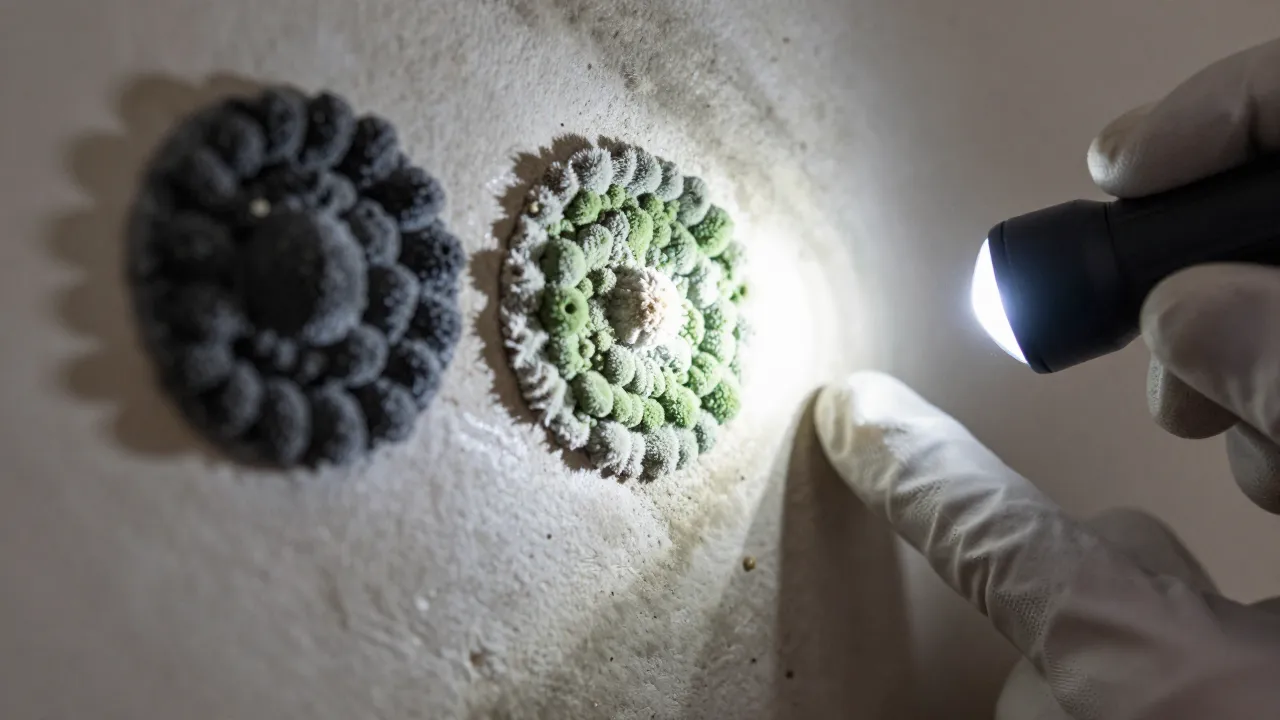
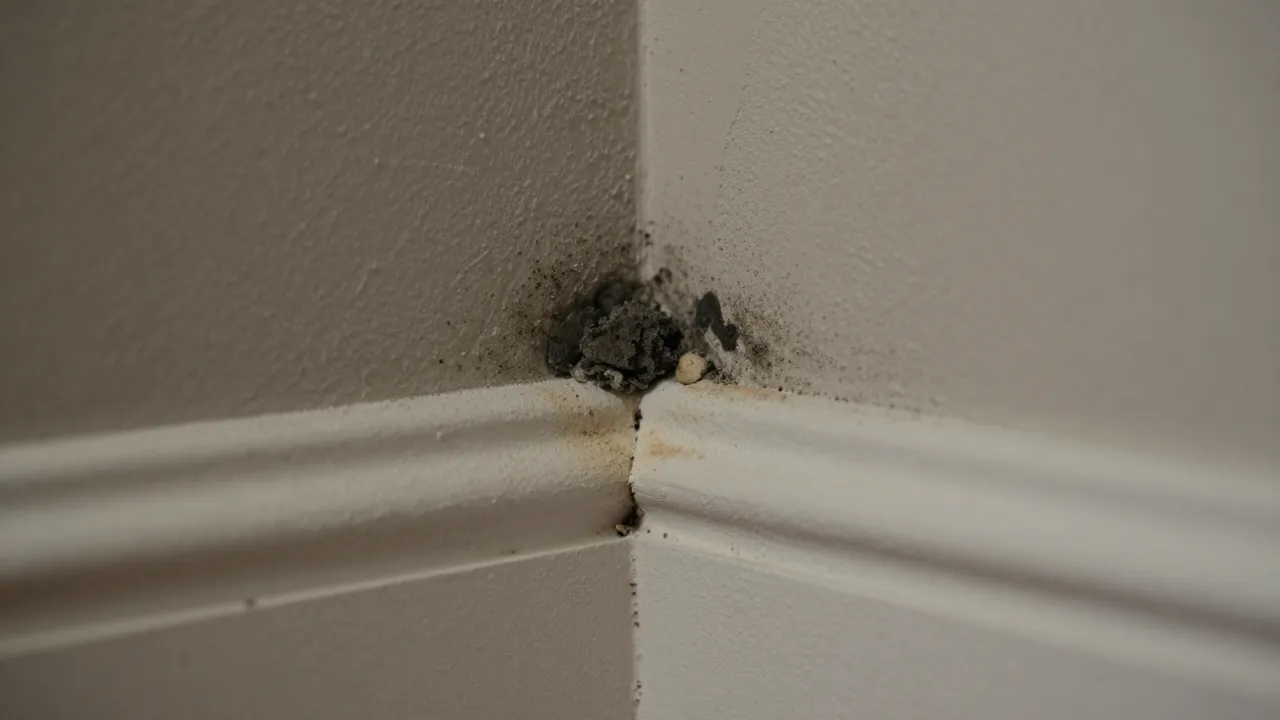
    After any water damage event, mold is the concern that worries homeowners most, and the term “black mold” carries a particular dread. But not all mold is the same, and understanding the differences helps you respond appropriately rather than panic. Here is what every homeowner should know about household mold, how to identify a serious problem, and when to call a professional.

    What “Black Mold” Actually Means

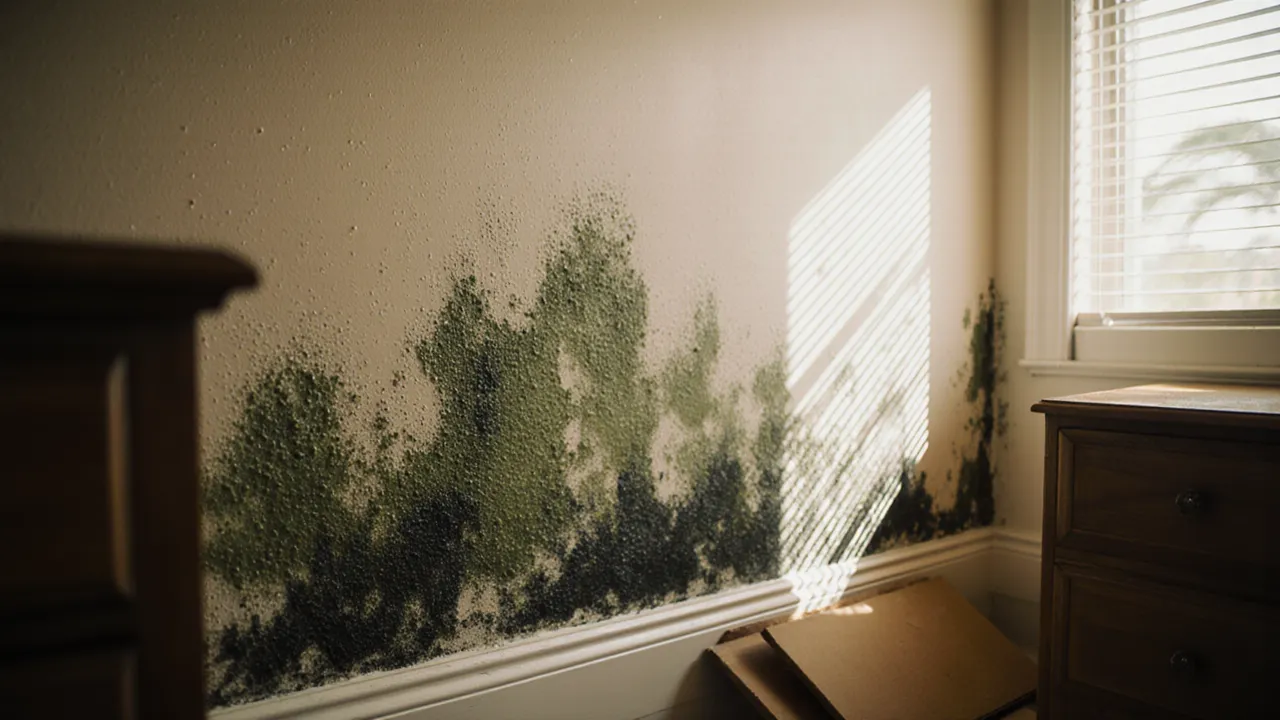
    The term most people mean by “black mold” is Stachybotrys chartarum, a greenish-black mold that thrives on water-damaged, cellulose-rich materials like drywall, ceiling tiles, and wood that have stayed wet for days. It produces a characteristic musty odor and a slimy or sooty appearance. While it has a fearsome reputation, the more important point is this: any mold growing indoors in significant quantity warrants remediation, regardless of color or species.

    The Common Household Molds

    Beyond Stachybotrys, several molds appear regularly in water-damaged homes. Cladosporium is a common olive-green or brown mold found on damp fabrics and wood. Penicillium spreads quickly across water-damaged materials with a blue-green fuzzy texture. Aspergillus is among the most common indoor molds and appears in many colors. Alternaria shows up in damp bathrooms and around windows. The key insight: identifying the exact species matters less than recognizing that visible mold plus moisture equals a problem that needs addressing.

    How to Recognize a Mold Problem

    Mold is not always visible. Watch for these signs after water damage: a persistent musty or earthy smell, discoloration or staining on walls and ceilings, peeling or bubbling paint, warped surfaces, and an increase in allergy-like symptoms (congestion, coughing, itchy eyes) that improve when you leave the house. Mold frequently grows inside wall cavities and under flooring where you cannot see it, which is why professional moisture mapping is valuable after any significant water event.

    Why Mold Forms After Water Damage

    Mold spores are present in virtually all indoor air. They only need moisture and time to colonize. The IICRC industry standard warns that mold growth can begin within 72 hours of water exposure on porous materials. In humid climates or poorly ventilated spaces, that window compresses to 24 to 48 hours. This is why rapid, thorough drying after water damage is the single most effective way to prevent mold.

    Why DIY Mold Removal Often Fails

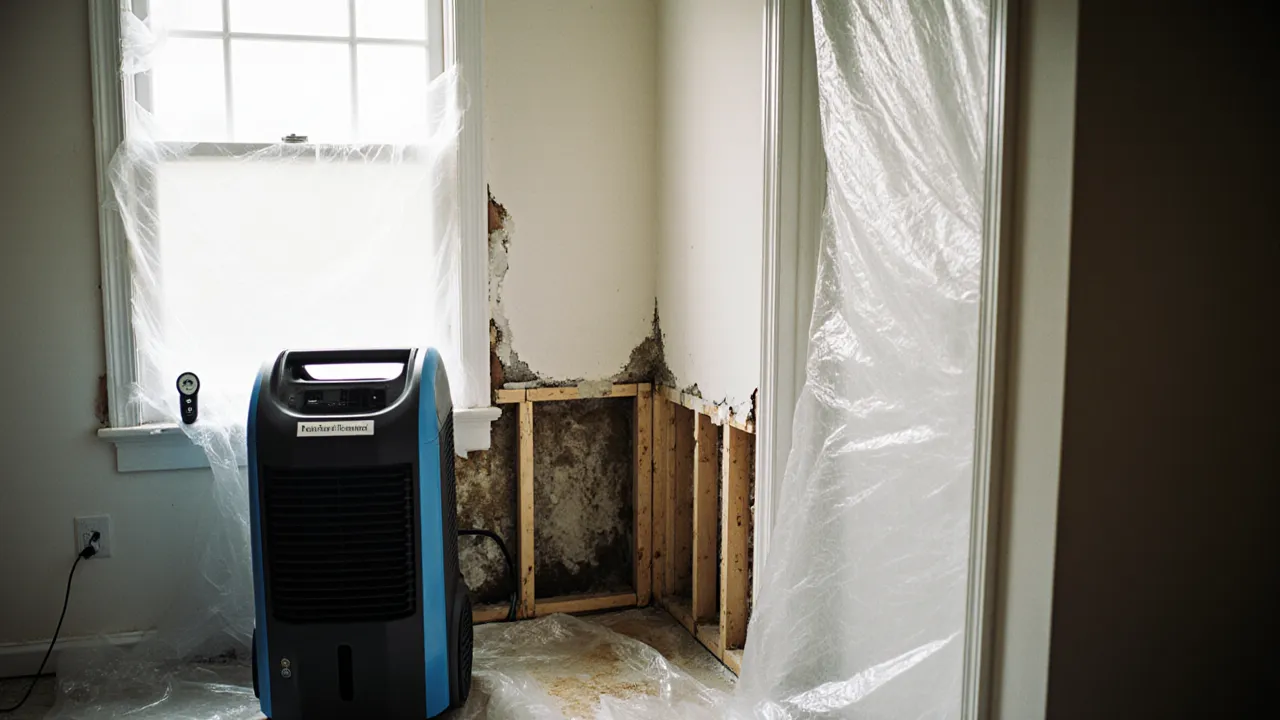
    Store-bought sprays and bleach treat surface mold but do not address the moisture source or the colonies growing inside wall cavities. Disturbing mold without containment also releases spores throughout the home, spreading the problem. Professional mold remediation under the IICRC S520 standard involves containing the affected area with negative-air pressure, removing contaminated porous materials, treating surfaces with EPA-registered antimicrobials, HEPA filtration, and verifying clearance afterward.

    Frequently Asked Questions

    Is black mold dangerous?

    Any significant indoor mold growth can affect indoor air quality and trigger allergy and respiratory symptoms, especially in sensitive individuals. Rather than focusing on color, the safe approach is to remediate any visible indoor mold and fix the underlying moisture source.

    How fast does mold grow after water damage?

    Mold colonies can begin forming within 72 hours of water exposure, and faster in humid conditions. Getting professional drying started within 24 hours is the best way to prevent mold from becoming part of the loss.

    Can I remove mold myself?

    Small surface areas under about 10 square feet on non-porous surfaces can sometimes be cleaned by a homeowner. Larger areas, mold inside walls, or mold after a Category 2 or 3 water event should be handled by certified professionals to avoid spreading spores.

    Concerned About Mold? Get an Assessment

    If you have had water damage or notice the signs of mold, a professional assessment identifies the full extent of the problem, including hidden growth.

    Call (888) 508-0998 for 24/7 service. Related: mold remediation specialists, water damage restoration, water damage cleanup.

☎ Call (888) 508-0998 — 24/7