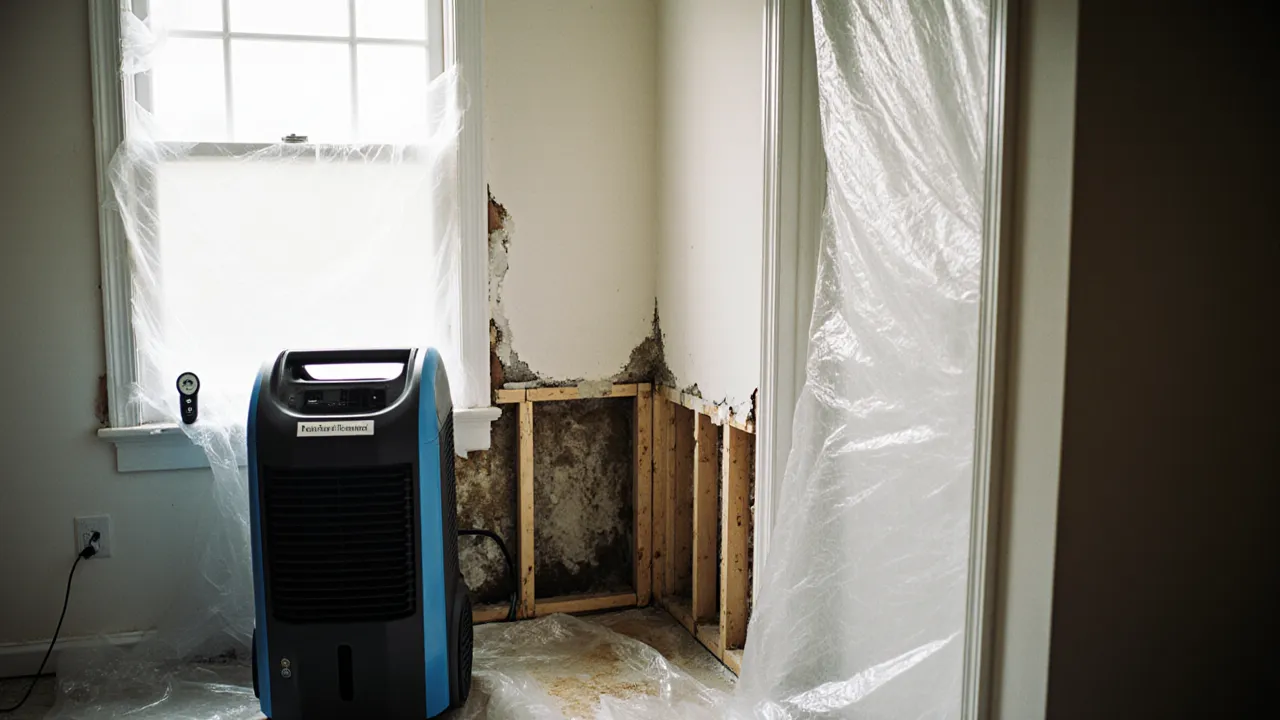
Mold is not inevitable after water damage. It is the result of moisture left in place long enough for spores to colonize, and that means it is largely preventable if you act fast. The IICRC industry standard identifies a roughly 72-hour window before mold typically begins forming on wet porous materials. Here is a practical hour-by-hour action plan to keep a water event from turning into a mold problem.
Hours 0 to 6: Stop the Water and Document
First, stop the water at its source: shut off the supply valve to a leaking fixture or the home’s main if a pipe burst. Then photograph everything before you move anything, since timestamped photos are what your insurer needs. Cut power to affected circuits at the breaker if water is near outlets. The goal in these first hours is to stop the water from spreading further into the structure.
Hours 6 to 24: Remove Water and Wet Materials
Extract standing water with a wet-vac, mops, and towels, emptying frequently. Lift area rugs and move furniture out of the wet zone or place foil or wood blocks under the legs. Remove and discard saturated carpet pad, which holds water against the subfloor and is rarely salvageable. Pull wet items away from dry walls. The faster you remove bulk water, the less migrates into porous materials.
Hours 24 to 48: Maximize Airflow and Drop Humidity
This is the window where mold prevention is won or lost. Set up as much airflow as possible: position fans to blow across wet surfaces (not directly at one spot), open windows if outside air is drier than inside, and run a dehumidifier continuously. Lowering the indoor humidity is critical because mold needs both moisture and humid air to thrive. If you have access to commercial air movers and dehumidifiers, deploy them now. Open cabinet doors and closet doors so air reaches enclosed wet areas.
Hours 48 to 72: Check Hidden Moisture
Surface materials may feel dry while moisture remains trapped inside walls and under flooring. If drywall got wet, water may be wicking upward inside the cavity. This is where a professional with moisture meters and thermal imaging is invaluable, because hidden moisture is exactly what fuels mold growth behind the scenes. If you cannot verify the structure is dry, this is the point to call a restoration company before the 72-hour window closes.
Why Humidity Matters As Much As Water
Even after standing water is gone, high indoor humidity keeps porous materials damp and supports mold. In humid climates, the mold-growth window can compress to 24 to 48 hours rather than 72. Running dehumidification aggressively, not just fans, is what actually brings materials back to a safe moisture content. Air movement evaporates moisture into the air; the dehumidifier removes it. You need both.
Need help right now?
Live dispatcher 24/7. IICRC-certified crews. Direct insurance billing.
Call (888) 502-0998When Prevention Is No Longer Enough
If more than 48 to 72 hours have passed, if the water was contaminated, or if you already smell must or see discoloration, prevention has shifted to remediation. At that point, professional mold remediation under the IICRC S520 standard, with containment and HEPA filtration, is the safe path. Trying to dry mold in place without containment spreads spores through the home.
Frequently Asked Questions
How long do I have to prevent mold after water damage?
Roughly 72 hours on porous materials, and as little as 24 to 48 hours in humid conditions. The sooner you dry the structure completely, the lower the risk.
Will fans alone prevent mold?
Not reliably. Fans move air and speed evaporation, but without a dehumidifier to remove that moisture from the air, humidity stays high and mold can still form. Use both together.
Should I call a professional even for a small leak?
For a small, clean, quickly-dried spill, often not. But if water reached walls or flooring, or if you cannot confirm everything is fully dry within 48 hours, a professional assessment is the safest move.
Beat the 72-Hour Clock
If you want certainty that your home is fully dry before mold can form, our IICRC-certified crews bring commercial drying equipment and moisture detection.
Call (888) 502-0998 for 24/7 response. Related: mold remediation specialists, water damage restoration, water removal.
Leave a Reply