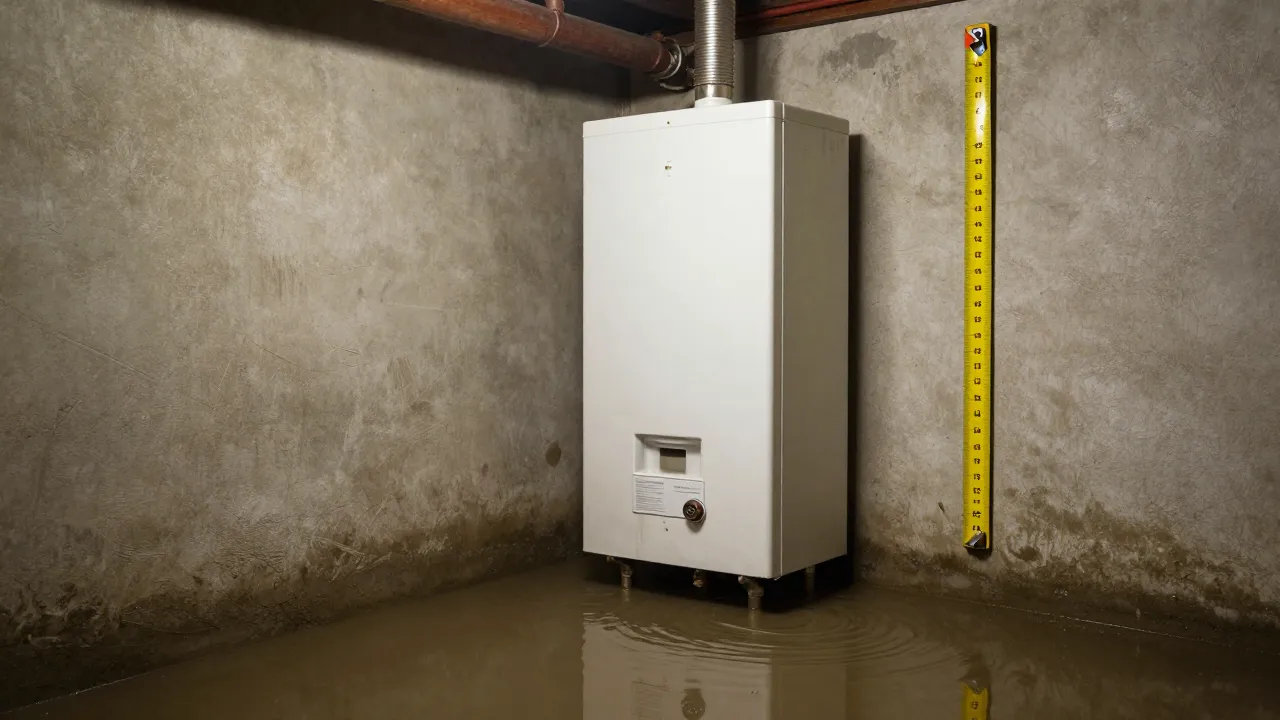
A flooded basement is one of the most common and most stressful water emergencies a homeowner faces. Whether the water came from a failed sump pump, a sewer backup, heavy rain, or snowmelt, the response is similar: protect yourself first, stop the source if you safely can, and get extraction started before the water saturates everything stored below grade. Here is a clear action plan.
Safety Before Anything Else
Never walk into a flooded basement without first considering electricity. Standing water that reaches outlets, the furnace, or the electrical panel is a serious shock hazard. If you cannot reach the breaker without stepping into water, call an electrician or your utility. Floodwater can also be contaminated, especially if it involves a sewer backup, so treat any murky or foul water as a health risk and avoid contact.
Once it is safe, identify the source. If a sump pump failed and the water is still rising, a backup pump or a wet vacuum can buy time. If a sewer line backed up, stop using water fixtures upstairs to avoid adding to the problem.
Why Basements Flood
Below-grade space collects water from every direction: a high water table pushing through foundation cracks, surface water during heavy rain, sump-pump failure during the exact storm when you need it most, and sewer backups when municipal lines surcharge. We see these patterns across the country, from the Delta high water table in Stockton to river-driven flooding in Des Moines and the dense, combined-sewer neighborhoods of Jersey City. Snowmelt and spring runoff drive basement flooding in colder cities as well.
Extraction, Drying, and Decontamination
Professional basement recovery starts with truck-mounted or portable extraction to remove standing water quickly, followed by removal of unsalvageable saturated materials such as soaked carpet pad, and then aggressive drying with air movers and dehumidifiers. If the water was contaminated, crews apply antimicrobial treatment and follow IICRC protocols for what can be cleaned versus what must be removed. Our flooded basement cleanup service handles the full sequence, and emergency water removal gets standing water out fast when every hour counts.
Sump Pumps and Backwater Valves: Your Best Defenses
If your basement has flooded once, it will almost certainly flood again unless you address the underlying vulnerability. The two most effective defenses are a reliable sump pump system and, where sewer backup is a risk, a backwater valve. A sump pump sits in a pit at the lowest point of the basement and pumps groundwater out before it can rise into the living space. The catch is that the storms most likely to flood your basement are also the storms most likely to knock out power, which is exactly when a standard electric sump pump quits. A battery backup or water-powered backup pump keeps working through an outage and is one of the highest-value upgrades a below-grade homeowner can make.
A backwater valve installed on the main sewer line allows wastewater to flow out but closes automatically if the municipal sewer surcharges and tries to push water back into your home. In older neighborhoods with combined storm and sanitary sewers, this single device prevents some of the most unpleasant and hazardous basement floods. Pairing these with sealed foundation cracks, proper grading, and downspouts that discharge well away from the house dramatically lowers your flood risk.
How Insurance Treats Basement Water
Basement flooding is where many homeowners discover gaps in their coverage the hard way. A standard homeowners policy generally covers sudden internal events, such as a burst pipe or a failed water heater, but it usually excludes two of the most common basement scenarios: rising surface water from heavy rain or snowmelt, and sewer or sump-pump backup. Rising water requires a separate flood insurance policy, while backup requires a specific sewer and sump backup endorsement that is inexpensive to add but easy to overlook. Before the next storm, it is worth calling your agent to confirm exactly which scenarios you are covered for. When we respond, we document the precise source of the water so the correct policy responds and we bill the carrier directly.
Need help right now?
Live dispatcher 24/7. IICRC-certified crews. Direct insurance billing.
Call (888) 502-0998The Health Risks of a Flooded Basement
Basement water is not just a property problem; it is a health one. Sewer backups and prolonged standing water introduce bacteria, and within a day or two the damp, dark environment of a basement becomes ideal for mold, which can trigger respiratory irritation, allergies, and asthma flare-ups, especially in children and anyone with a compromised immune system. Saturated drywall and carpet pad act like sponges that hold contamination and feed mold long after the visible water is gone, which is why professionals remove rather than try to salvage them when contamination is involved.
If you must enter a flooded basement, wear rubber boots and gloves, avoid touching anything electrical, and keep children and pets out entirely until the space is cleaned and dried. After a contaminated flood, porous items that absorbed the water, including stored cardboard, soft furnishings, and insulation, generally cannot be safely cleaned and should be discarded. Professional crews apply EPA-registered antimicrobial treatments and verify the space is dry to a measured standard, which is the only reliable way to know the health hazard has actually been resolved rather than merely hidden behind a repainted wall.
Frequently Asked Questions
Is basement flooding covered by homeowners insurance?
It depends on the source. Sudden internal leaks are usually covered, but rising surface water and sewer or sump backup are typically excluded and require separate flood insurance or a backup endorsement. Documenting the cause is essential.
How do I stop a basement from flooding during a storm?
Maintain and test your sump pump, add a battery backup so it works during power outages, seal foundation cracks, and grade soil and downspouts away from the foundation. A backwater valve helps where sewer backup is a risk.
Can I save carpet and drywall after a basement flood?
Clean-water materials caught quickly can sometimes be dried in place. Saturated carpet pad, and any porous material touched by contaminated water, is usually removed under IICRC protocols to prevent mold and health risks.
How long does it take to dry a flooded basement?
With professional equipment, structural drying typically takes three to five days depending on how much water was absorbed and how saturated the materials are. Crews monitor moisture readings rather than guessing.
Why act fast on basement water?
Standing water spreads, wicks up walls, and feeds mold within 24 to 48 hours. The faster extraction and drying begin, the more material is saved and the lower the total cost.
Standing water in your basement? Call (888) 502-0998 for 24/7 extraction and direct insurance billing.
Leave a Reply