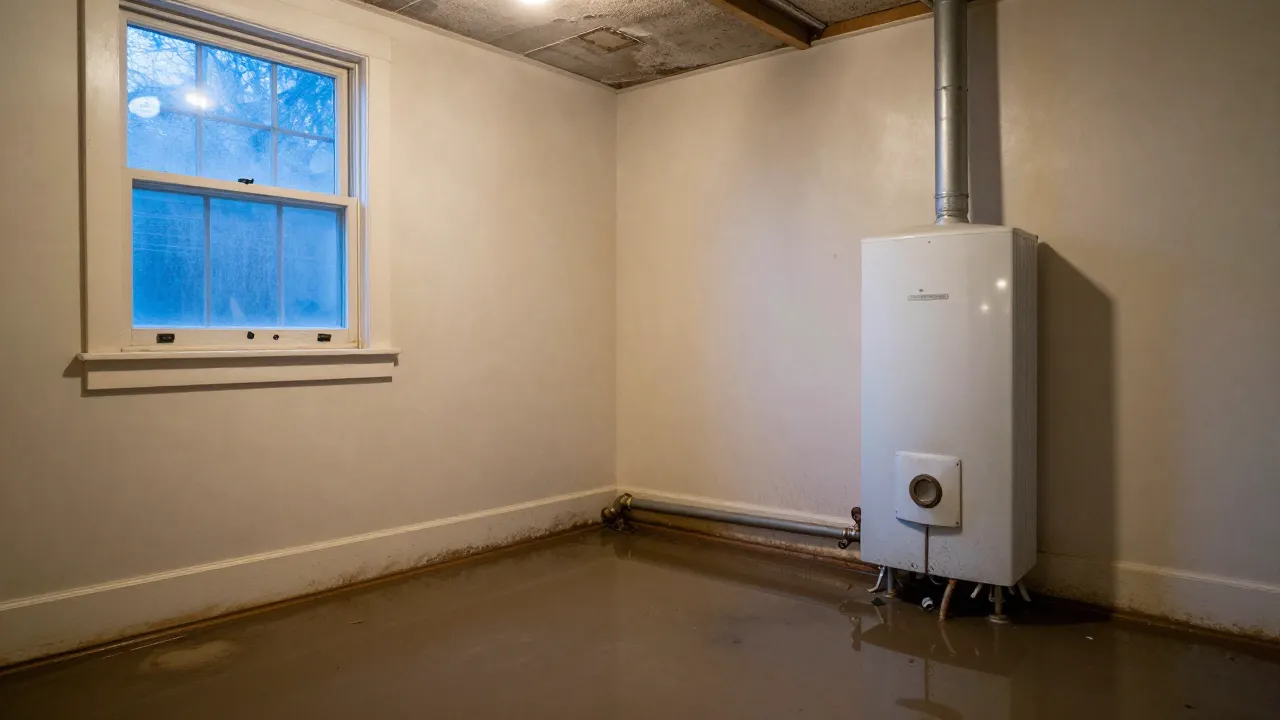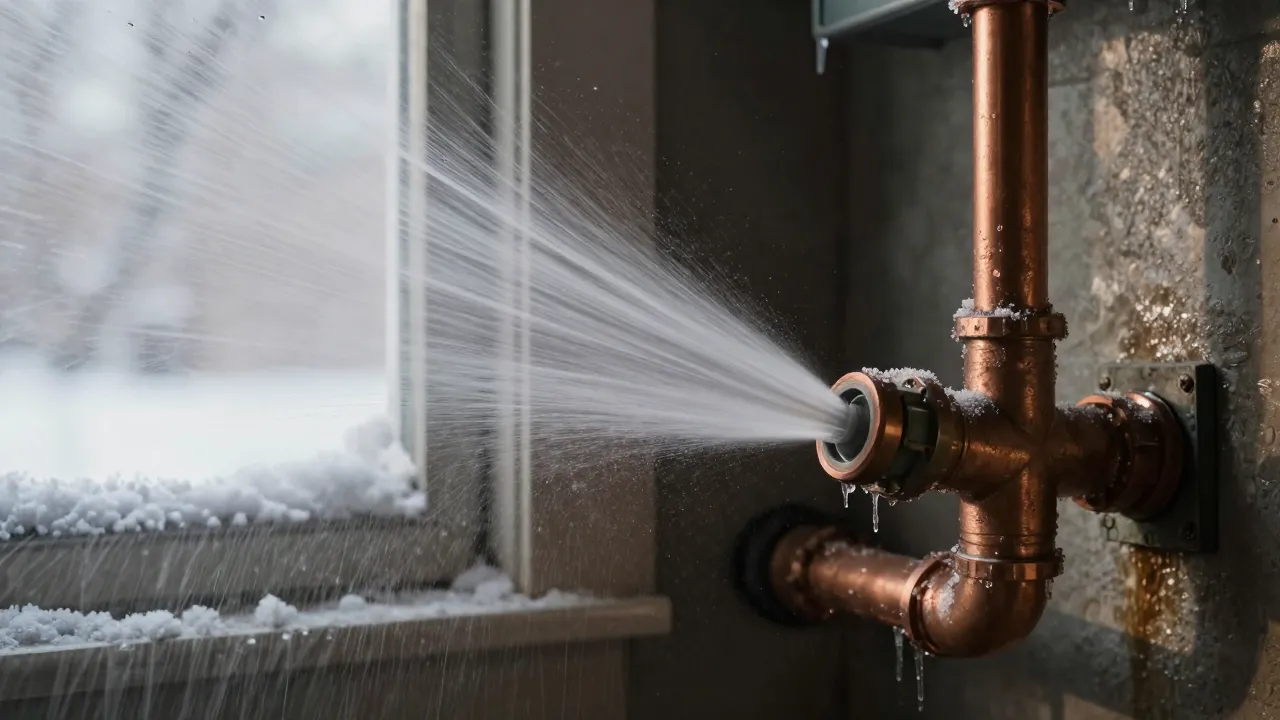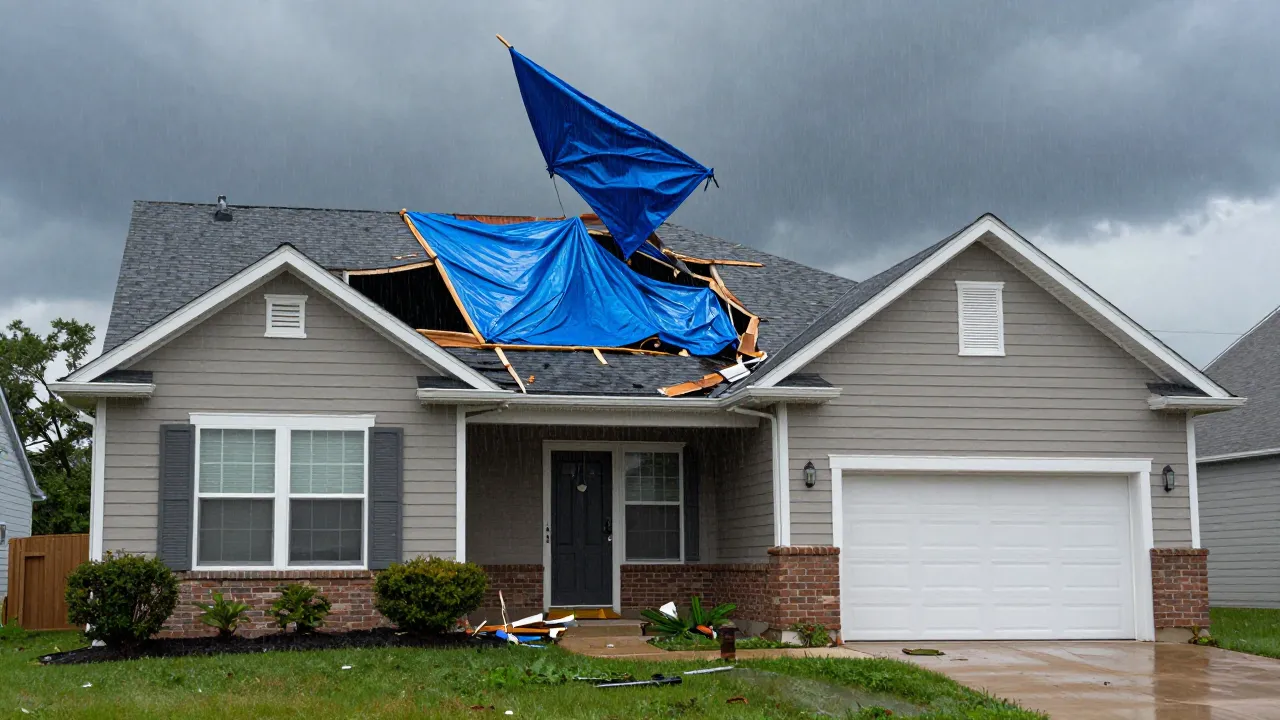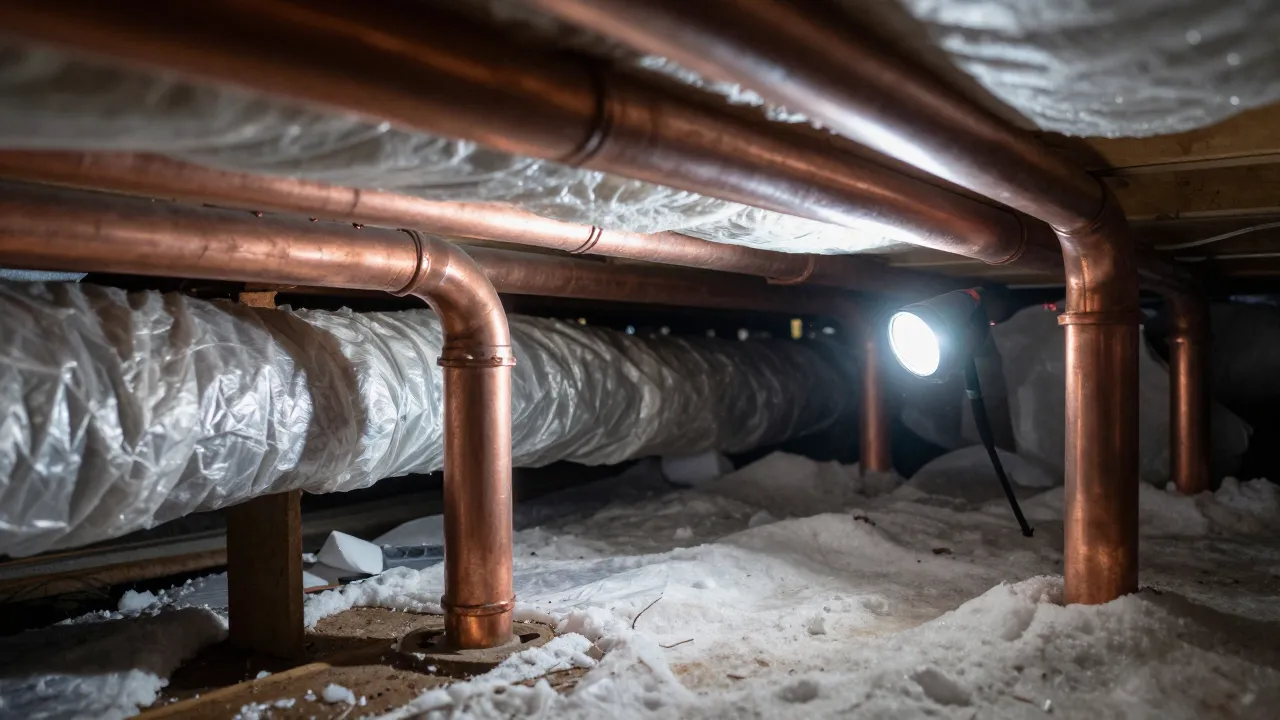
West Michigan winters are long and hard, and the single most common cold-weather water emergency in Grand Rapids is a frozen pipe that splits and floods a home, often while no one is there to hear it. A pipe in an exterior wall, attic, or unheated crawlspace freezes, the ice expands and cracks the metal or PEX, and when it thaws the crack becomes a flood that can release hundreds of gallons an hour.
The good news is that frozen-pipe damage is largely preventable, and when it does happen, a fast response saves the most material. Here is what Grand Rapids homeowners need to know.
Why Pipes Freeze and Burst in Grand Rapids
The risk peaks during deep cold snaps and lake-effect freezes. The pipes most likely to fail are those in unconditioned space, exterior walls, and along the floor of crawlspaces and garages. The danger spikes when a home loses heat during a power outage, or when the thermostat is turned down too far during a winter trip. Older Grand Rapids homes in neighborhoods like Heritage Hill are especially prone because of aging supply lines and uninsulated runs.
Your First 60 Minutes
- Stop the source if it is safe, or shut the main valve for a burst pipe.
- Cut power to wet areas at the breaker before entering standing water.
- Move belongings off wet floors and document everything with photos and video.
- Begin extraction and drying right away, then call our 24/7 line.
How Professional Water Damage Restoration Works
Whatever the source, recovery follows the same IICRC S500 sequence, and the first hours decide how much can be saved:
- Emergency assessment. A certified technician traces the source, maps hidden moisture with meters and thermal imaging, and classifies the water so the plan matches the risk.
- Extraction. Truck-mounted and portable units pull out standing water fast.
- Structural drying. Air movers and commercial dehumidifiers dry framing, subfloor, and wall cavities to documented dry standards, not just to the touch.
- Cleaning and sanitizing. Surfaces are cleaned and antimicrobial-treated; contaminated porous materials are removed where required.
- Restoration. Drywall, flooring, and finishes are rebuilt, with every step photographed and logged to adjuster standards.
Will Insurance Cover It?
Michigan homeowners policies generally cover a sudden pipe burst in a reasonably heated home, including the cost to tear out and dry affected materials. The exception that catches people out is an unheated home: if the property was left without adequate heat during a freeze, the claim can be denied. Keep the thermostat at 55F or higher and be able to show heat was maintained.
Frequently Asked Questions
What should I do the moment a pipe bursts?
Shut off the main water supply and open a faucet to relieve pressure, then cut power to wet areas at the breaker. Photograph the damage before cleanup and call for emergency extraction.
How cold does it have to be for pipes to freeze?
Pipes in unconditioned space can begin freezing once temperatures drop into the low 20s Fahrenheit for a sustained period, sooner if they are exposed to wind.
Can a frozen pipe cause mold?
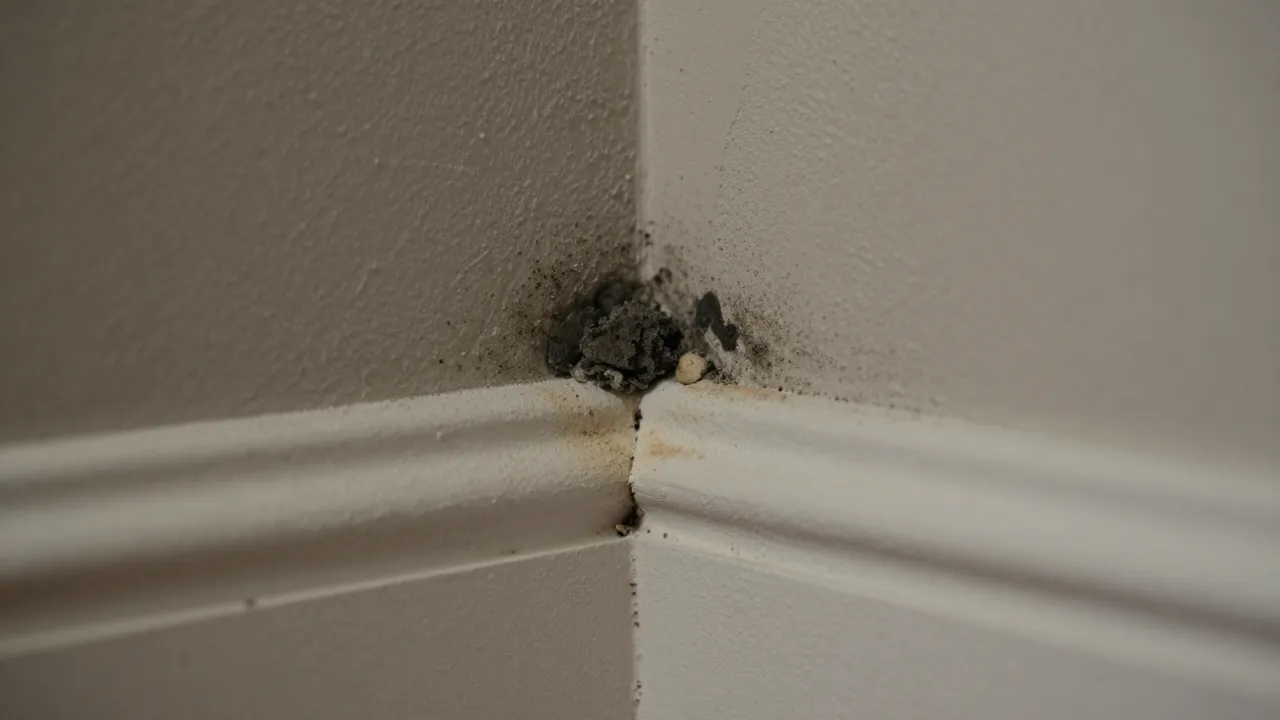
Yes. Water trapped in wall cavities and under floors can grow mold within 24 to 48 hours, which is why professional drying matters more than surface cleanup.
How long does drying take after a burst pipe?
Most structural drying runs three to five days depending on how far the water traveled and what materials are wet. We dry to documented moisture targets, not guesswork.
How fast can a crew reach my Grand Rapids home?
Typically within the hour across Kent County, outside of widespread freeze events when demand spikes region-wide.
Get Help Now in Grand Rapids
Water damage only gets worse and more expensive the longer it sits. Our IICRC-certified crews answer 24/7 and work directly with your insurer. See our Grand Rapids water damage restoration page, or call now.
24/7 emergency dispatch: (888) 508-0998
This guide is part of our coverage for Grand Rapids. For the seasonal risk that matters most here, see our winter burst pipe damage guide.