24/7 Emergency Water Damage Response
Need help now? (888) 508-0998

Category: Educational

  • Educational

    Las Vegas Flash Flood Water Damage Guide

    Las Vegas monsoon season brings sudden flash floods to a desert built for dry weather. Learn the risks, response steps, and coverage.

    Read more →

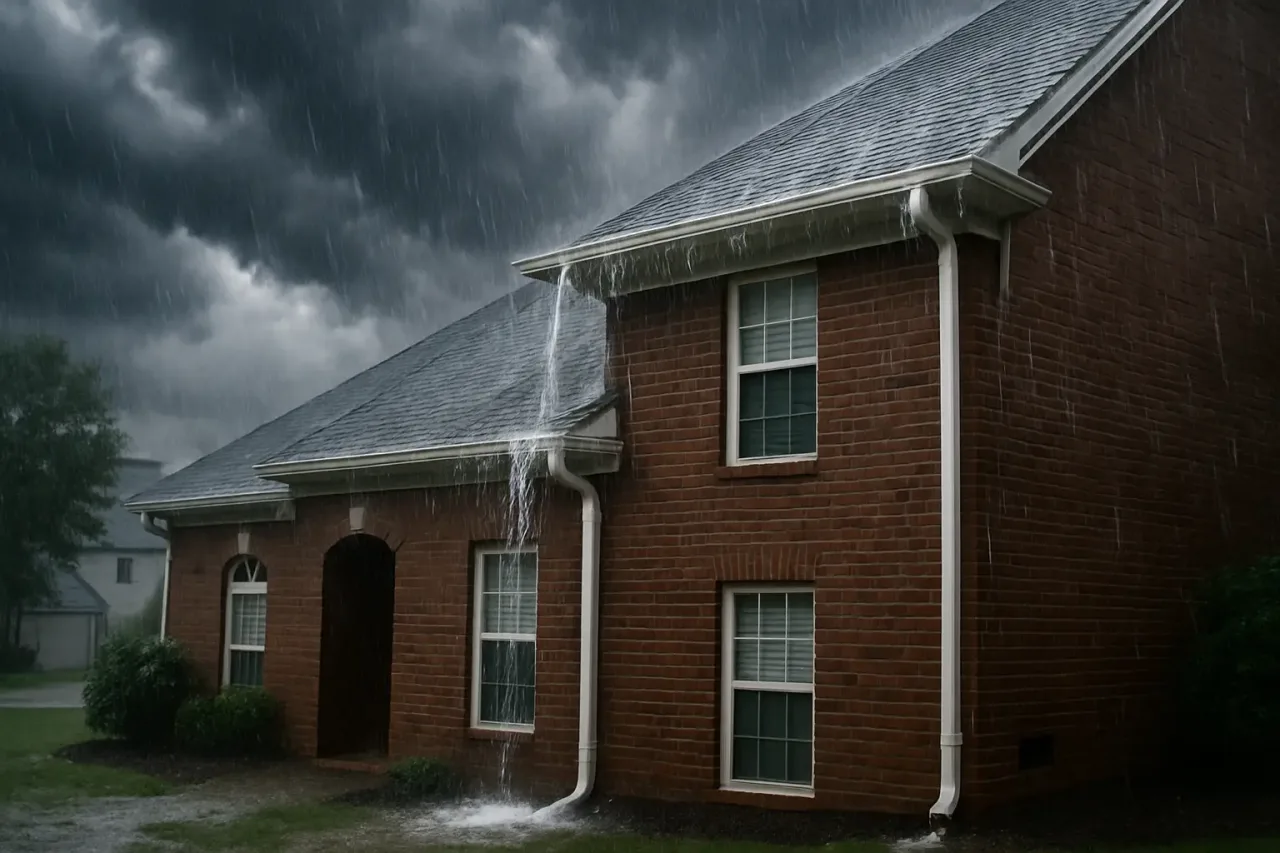
    Las Vegas averages just a few inches of rain a year, which is exactly why flash flooding here is so dangerous. The valley’s hardened desert ground and drainage system, built for a dry climate, cannot absorb sudden monsoon downpours. When summer storms hit between July and September, water surges through washes and streets and into homes and businesses across the valley, from the Strip-area neighborhoods to Henderson’s master-planned communities. Many Las Vegas homeowners assume flooding is not their concern in the desert. That assumption is exactly what turns a flash flood into an expensive, mold-prone water-damage event.

    Quick answer: Las Vegas flash floods happen fast during monsoon season when intense rain overwhelms desert drainage. If water enters your home, move to safety first, then cut power to wet areas, document the damage, and call a restoration crew for extraction. Even in dry desert air, standing water must be removed quickly to prevent secondary damage and mold.

    Why the Desert Floods

    Desert soil and pavement shed water rather than absorb it. During a monsoon cell, an inch of rain in an hour produces enormous runoff that channels into washes and low-lying streets. Las Vegas has invested heavily in flood-control channels, but localized flooding still overwhelms neighborhoods, underpasses, and properties downslope of washes. Homes take on water through doors, garages, and foundation gaps. Because these storms are brief and infrequent, many residents are caught completely unprepared.

    Beyond flash floods, Las Vegas homes face year-round water risks from plumbing and water-heater failures, accelerated by hard-water mineral buildup, and from slab leaks under foundations. The response principles are the same: stop the source, remove the water fast, and dry thoroughly.

    What to Do During a Flash Flood

    Personal safety comes first; never walk or drive through moving floodwater. Once you are safe and water has receded enough to act:

    • Cut power to flooded areas at the breaker.
    • Document all damage with time-stamped photos and video before cleanup.
    • Remove standing water with a wet-vac for small volumes, or call a crew with truck-mounted extractors for larger events.
    • Pull wet contents up and away from dry materials.
    • Start drying immediately; even in dry air, trapped moisture in walls and subfloor causes hidden damage and mold.

    Why Drying Still Matters in a Dry Climate

    It is a myth that desert air dries a flooded home on its own. Surface materials may feel dry while moisture stays trapped in wall cavities, under flooring, and in subfloor materials. That hidden moisture warps floors, delaminates engineered subfloors, and supports mold even in Las Vegas. Professional crews use moisture meters and thermal imaging to find hidden water and commercial dehumidifiers to bring materials back to baseline, then verify with readings before declaring the job done.

    Insurance and Flood Coverage in Nevada

    This is critical: Nevada homeowners insurance covers sudden internal water discharge, such as burst pipes, slab leaks, and water-heater failures, but it does not cover rising floodwater. Flash flooding and wash overflow are surface water, which require separate NFIP flood insurance. Given the valley’s genuine flash-flood risk, flood insurance is wise even though it is not legally required for most Las Vegas homes. We document loss source carefully so the right policy responds and bill carriers directly.

    Preparing Before Monsoon Season

    Before July, clear roof drains and gutters, and grade desert landscaping so runoff channels away from the home. Know whether your property sits downslope of a wash. Treat hard water and inspect water heaters and supply lines to prevent the year-round plumbing failures that are actually the most common Las Vegas water-damage cause. And strongly consider flood insurance; the cost is modest against the price of a flooded home.

    People Also Ask

    Does homeowners insurance cover flash flood damage in Las Vegas?

    No. Flash flooding is rising surface water, which homeowners policies exclude. You need separate NFIP flood insurance, which is recommended given valley flood risk.

    When is flash flood season in Las Vegas?

    The North American monsoon typically brings the highest flash-flood risk from July through September, when intense, localized downpours overwhelm desert drainage.

    Does water damage really cause mold in the desert?

    Yes. Surface air may be dry, but moisture trapped in walls and subfloor supports mold. Professional drying and moisture verification are still essential in Las Vegas.

    What is the most common water damage cause in Las Vegas?

    Year-round, plumbing and water-heater failures and slab leaks are the most common causes, accelerated by hard water. Flash flooding is the most severe seasonal cause.

    How fast should I act after a flash flood?

    Immediately once it is safe. Standing water spreads into materials by the hour, so extraction and drying within the first day limits the damage and mold risk.

    Get Help Now

    If a flash flood or plumbing failure has flooded your Las Vegas or Henderson property, our IICRC-certified crews dispatch 24/7 across the valley, find hidden moisture, and dry your home correctly.

    Call (888) 508-0998 for 24/7 emergency dispatch. See our Las Vegas water damage restoration and Henderson pages, or learn about flood damage restoration, water damage restoration, and emergency water removal.

    {“@context”: “https://schema.org”, “@type”: “FAQPage”, “mainEntity”: [{“@type”: “Question”, “name”: “Does homeowners insurance cover flash flood damage in Las Vegas?”, “acceptedAnswer”: {“@type”: “Answer”, “text”: “No. Flash flooding is rising surface water, which homeowners policies exclude. You need separate NFIP flood insurance, which is recommended given valley flood risk.”}}, {“@type”: “Question”, “name”: “When is flash flood season in Las Vegas?”, “acceptedAnswer”: {“@type”: “Answer”, “text”: “The North American monsoon typically brings the highest flash-flood risk from July through September, when intense, localized downpours overwhelm desert drainage.”}}, {“@type”: “Question”, “name”: “Does water damage really cause mold in the desert?”, “acceptedAnswer”: {“@type”: “Answer”, “text”: “Yes. Surface air may be dry, but moisture trapped in walls and subfloor supports mold. Professional drying and moisture verification are still essential in Las Vegas.”}}, {“@type”: “Question”, “name”: “What is the most common water damage cause in Las Vegas?”, “acceptedAnswer”: {“@type”: “Answer”, “text”: “Year-round, plumbing and water-heater failures and slab leaks are the most common causes, accelerated by hard water. Flash flooding is the most severe seasonal cause.”}}, {“@type”: “Question”, “name”: “How fast should I act after a flash flood?”, “acceptedAnswer”: {“@type”: “Answer”, “text”: “Immediately once it is safe. Standing water spreads into materials by the hour, so extraction and drying within the first day limits the damage and mold risk.”}}]}

  • Educational

    Minneapolis Frozen Pipe Emergency Checklist

    A step-by-step Minneapolis frozen pipe checklist: how to prevent freezing, thaw safely, and respond to a burst.

    Read more →

    Minneapolis winters are among the harshest in the country, and they drive a predictable water-damage season built around frozen and burst pipes. Polar-vortex cold can push exterior-wall and basement plumbing well below freezing, and the city’s deep stock of older homes means many pipes run through uninsulated spaces. The good news is that frozen-pipe damage is largely preventable, and when a pipe does freeze or burst, a calm, fast response keeps a contained problem from becoming a whole-home loss. This checklist walks through prevention, safe thawing, and emergency response so you are ready before the next deep freeze.

    Quick answer: To prevent frozen pipes in Minneapolis, keep heat at 55 degrees or higher, insulate exposed pipes, let faucets drip during extreme cold, and open cabinet doors on exterior walls. If a pipe bursts, shut off your main water valve immediately, open faucets, cut power to wet areas, document the damage, and call a restoration crew.

    Before the Freeze: Prevention Checklist

    Most frozen-pipe losses are prevented with a few habits:

    • Hold your thermostat at 55 degrees or higher, even when traveling.
    • Insulate pipes in exterior walls, basements, crawlspaces, and garages with foam sleeves.
    • During deep cold, let the most exposed faucet drip; moving water freezes more slowly.
    • Open cabinet doors under sinks on exterior walls so indoor heat reaches the plumbing.
    • Disconnect and drain outdoor hoses and shut off exterior spigots before winter.
    • Know where your main water shutoff is, and make sure every adult in the home does too.
    • If you travel, have a neighbor check the home daily and keep the heat on.

    If a Pipe Freezes (But Has Not Burst)

    A frozen pipe with no leak yet is a chance to prevent the burst. Open the faucet served by the frozen pipe so water can flow as it thaws. Apply gentle heat to the frozen section with a hair dryer, heat lamp, or towels soaked in warm water, working from the faucet end toward the blockage. Never use an open flame or torch. If you cannot locate the frozen section, cannot reach it, or the pipe has already burst, shut off the main water and call a professional.

    If a Pipe Bursts: Emergency Response

    When a pipe bursts, act immediately:

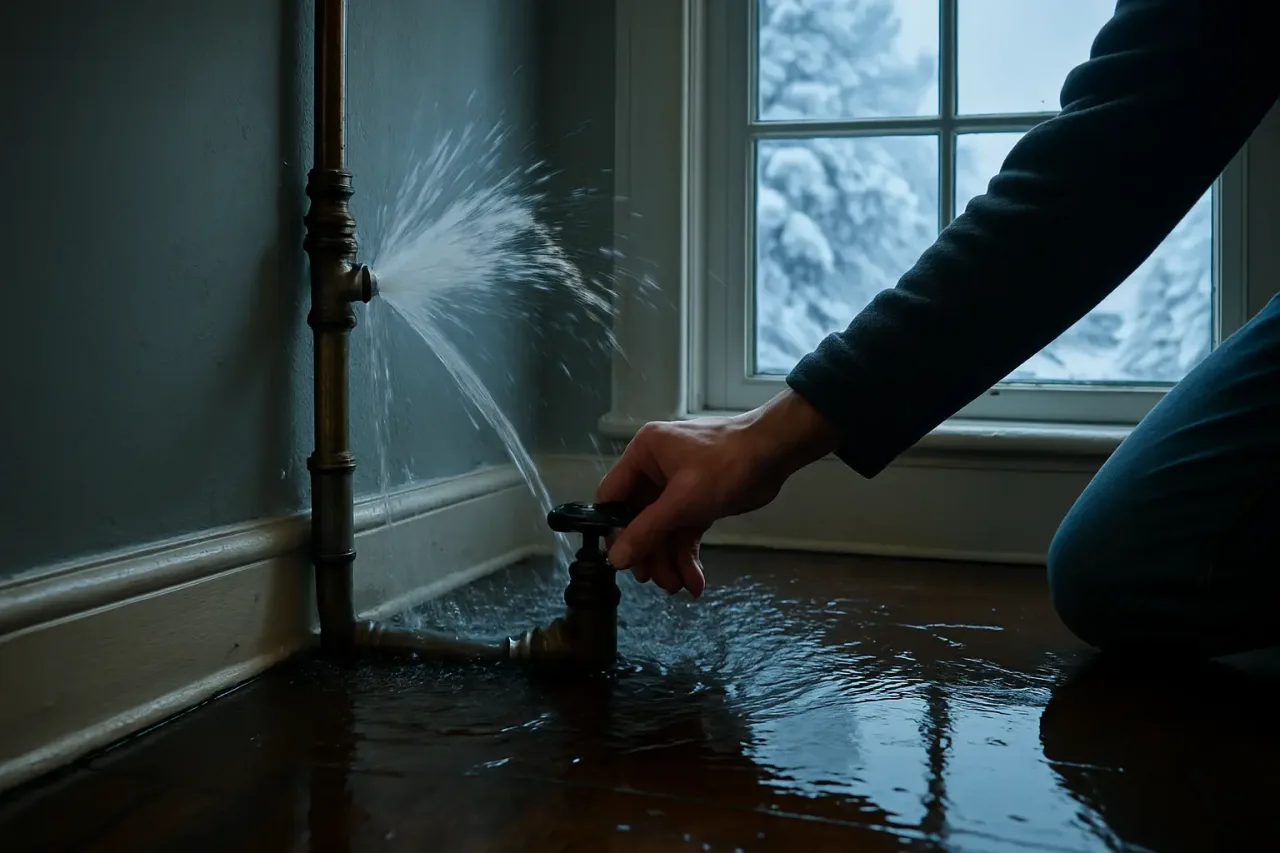
    • Shut off the main water valve to stop the flow.
    • Open faucets to drain the lines and relieve pressure.
    • Cut power to affected circuits at the breaker before entering standing water.
    • Move belongings off wet floors and away from wet walls.
    • Photograph and video everything before cleanup for your insurance claim.
    • Call a restoration crew for extraction and structural drying. Do not wait days for the adjuster.

    Why Fast Drying Prevents Bigger Problems

    A burst pipe can release hundreds of gallons per hour into floors, walls, and the level below. Even after extraction, water hides in drywall, subfloor, framing, and insulation. Restoration crews run commercial air movers and low-grain refrigerant dehumidifiers continuously for several days, taking daily moisture readings against dry control areas. This is what prevents the warped hardwood, stained ceilings, and hidden mold that show up months after a rushed cleanup, and it produces the documentation your insurer expects.

    Insurance and Ice Dams in Minnesota

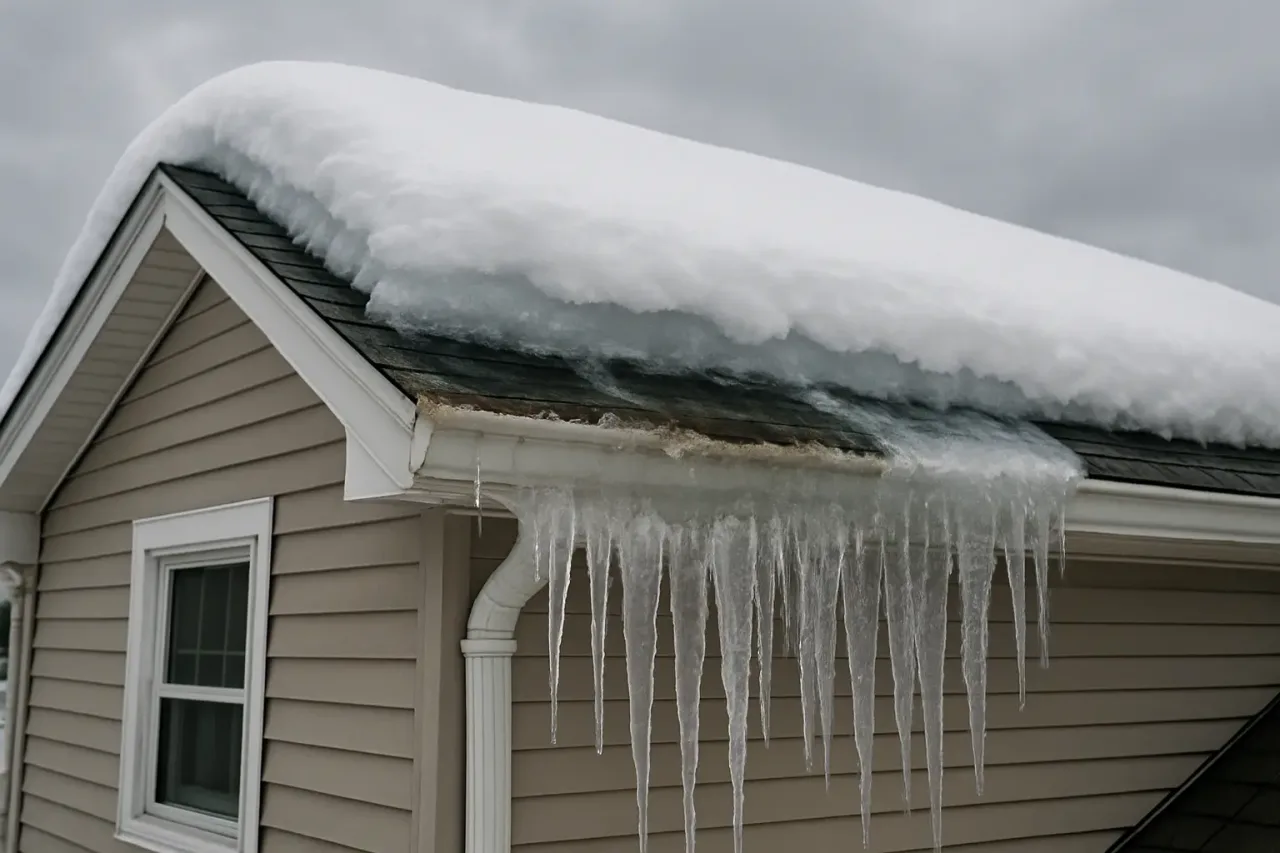
    Minnesota homeowners insurance generally covers sudden burst-pipe damage when the home was reasonably heated. Claims may be disputed for homes left unheated during winter trips or showing gradual leakage. Ice-dam interior damage is often covered too, though the underlying attic-insulation fix is the homeowner’s responsibility. Sewer and sump backup usually requires a separate endorsement. We document the freeze cause and your winterization steps and bill carriers directly.

    People Also Ask

    How do I keep my pipes from freezing in Minneapolis?

    Keep heat at 55 degrees or higher, insulate exposed pipes, let faucets drip during extreme cold, open cabinet doors on exterior walls, and never leave the home unheated in winter.

    Can I thaw a frozen pipe myself?

    Yes, gently. Open the faucet and apply low heat with a hair dryer or warm towels, working from the faucet toward the blockage. Never use an open flame. If the pipe has burst, shut off the main water and call a professional.

    Does Minnesota insurance cover frozen pipe damage?

    Yes for sudden bursts in a reasonably heated home. Homes left unheated during winter absences or showing gradual leakage risk denial.

    What is the first thing to do when a pipe bursts?

    Shut off the main water valve, then open faucets to relieve pressure, cut power to wet areas, and call for extraction immediately.

    Are ice dams covered by insurance?

    Resulting interior water damage from an ice dam is often covered. Preventing future ice dams by improving attic insulation and ventilation is the homeowner’s responsibility.

    Get Help Now

    If a pipe has frozen or burst in your Minneapolis or Saint Paul home, our IICRC-certified crews dispatch 24/7, extract and dry correctly the first time, and bill your insurance directly.

    Call (888) 508-0998 for 24/7 emergency dispatch. See our Minneapolis water damage restoration and Saint Paul pages, or learn about water damage restoration, emergency water removal, and water damage repair.

    {“@context”: “https://schema.org”, “@type”: “FAQPage”, “mainEntity”: [{“@type”: “Question”, “name”: “How do I keep my pipes from freezing in Minneapolis?”, “acceptedAnswer”: {“@type”: “Answer”, “text”: “Keep heat at 55 degrees or higher, insulate exposed pipes, let faucets drip during extreme cold, open cabinet doors on exterior walls, and never leave the home unheated in winter.”}}, {“@type”: “Question”, “name”: “Can I thaw a frozen pipe myself?”, “acceptedAnswer”: {“@type”: “Answer”, “text”: “Yes, gently. Open the faucet and apply low heat with a hair dryer or warm towels, working from the faucet toward the blockage. Never use an open flame. If the pipe has burst, shut off the main water and call a professional.”}}, {“@type”: “Question”, “name”: “Does Minnesota insurance cover frozen pipe damage?”, “acceptedAnswer”: {“@type”: “Answer”, “text”: “Yes for sudden bursts in a reasonably heated home. Homes left unheated during winter absences or showing gradual leakage risk denial.”}}, {“@type”: “Question”, “name”: “What is the first thing to do when a pipe bursts?”, “acceptedAnswer”: {“@type”: “Answer”, “text”: “Shut off the main water valve, then open faucets to relieve pressure, cut power to wet areas, and call for extraction immediately.”}}, {“@type”: “Question”, “name”: “Are ice dams covered by insurance?”, “acceptedAnswer”: {“@type”: “Answer”, “text”: “Resulting interior water damage from an ice dam is often covered. Preventing future ice dams by improving attic insulation and ventilation is the homeowner’s responsibility.”}}]}

  • Educational

    Water Damage Restoration vs. DIY: When to Call a Professional

    When water damage strikes, a natural first instinct is to grab towels and a shop-vac and handle it yourself. For very small,…

    Read more →

    When water damage strikes, a natural first instinct is to grab towels and a shop-vac and handle it yourself. For very small, clean-water spills, that can be the right call. But many water events look manageable on the surface while hiding damage that only specialized equipment can detect and resolve. Knowing where the line falls saves homeowners thousands of dollars in secondary damage and mold remediation.

    When DIY Is Reasonable

    You can usually handle a water event yourself when all of these are true: the water is clean (from a supply line, not sewage or flooding), the affected area is small (a single room or less), the water is caught within the first few hours, and it has not soaked into walls, subfloors, or cabinetry. A burst supply line under a sink caught quickly, or an overflowing bathtub mopped up immediately, often falls into this category. Extract the water, run fans and a dehumidifier, and monitor for any musty smell over the following days.

    When to Call a Professional

    Call a restoration company immediately when any of these apply:

    • The water is contaminated. Sewage backups, flooding, and water that has sat for more than 48 hours are Category 2 or 3 and require professional protocols and protective equipment.
    • Water has reached walls, ceilings, or subfloors. Moisture wicks into porous materials and migrates through cavities where household tools cannot reach.
    • The affected area is large or spans multiple rooms. Consumer fans and dehumidifiers cannot move enough air or remove enough moisture to dry a large area before mold forms.
    • The water event involves an insurance claim. Professional documentation, moisture logs, and IICRC-standard scope are what carriers expect and pay for.
    • You smell must or see discoloration. These are signs mold may already be forming, which requires containment and remediation.

    What Professionals Have That You Do Not

    The gap between DIY and professional restoration is equipment and expertise. Restoration crews use truck-mounted extractors that remove water far faster than a shop-vac, commercial low-grain refrigerant dehumidifiers that pull 15 to 30 gallons of water from the air per day, calibrated moisture meters and thermal imaging to find hidden moisture, and antimicrobial treatments to prevent mold. Most importantly, they know how to read a structure and dry it correctly so moisture does not get sealed inside walls.

    The Hidden Cost of Waiting

    The most expensive water damage outcomes almost always trace back to a delay. Water that looks dry on the surface continues wicking into materials. The IICRC standard warns mold can begin forming within 72 hours. A job that would have cost a few thousand dollars to dry properly becomes a five-figure mold remediation and reconstruction project. When in doubt, a professional assessment is usually free and always cheaper than guessing wrong.

    Frequently Asked Questions

    Is it cheaper to handle water damage myself?

    For small, clean, quickly-caught spills, yes. For anything involving contaminated water, large areas, or moisture in walls, attempting DIY often costs more in the long run because of secondary damage and mold.

    Does insurance still cover it if I start the cleanup myself?

    Yes. Your policy actually requires you to mitigate further damage. Document everything with photos before and during, and call a professional for anything beyond a minor clean-water spill.

    How do I know if water reached inside my walls?

    You often cannot tell by looking. Professionals use moisture meters and thermal imaging to detect hidden moisture. A musty smell or discoloration days later is a strong sign water penetrated further than it appeared.

    Not Sure How Bad It Is? We Will Tell You

    A professional assessment removes the guesswork and tells you exactly what your home needs.

    Call (888) 508-0998 any hour. Related: water damage restoration, water removal experts, mold remediation.

  • Educational

    How Professional Water Damage Restoration Works: The 5-Step Process

    When water invades your home, the difference between a two-week recovery and a months-long ordeal comes down to how quickly and correctly…

    Read more →

    When water invades your home, the difference between a two-week recovery and a months-long ordeal comes down to how quickly and correctly the restoration process is executed. Professional water damage restoration follows a proven, IICRC-standard sequence designed to stop damage, dry the structure, and return your home to its pre-loss condition. Here is exactly what that process looks like.

    Step 1: Emergency Contact and Inspection

    Restoration begins the moment you call. A reputable company answers 24/7 because water damage worsens by the hour. On arrival, a technician inspects the affected area, identifies the water source, and classifies the water under the IICRC S500 standard: Category 1 (clean water from a supply line), Category 2 (greywater from appliances), or Category 3 (blackwater from sewage or flooding). This classification determines the entire scope of work and what materials can be saved.

    Step 2: Water Removal and Extraction

    Standing water is removed first, using truck-mounted or portable extractors that pull 200 to 400 gallons per hour. The faster water is extracted, the less it migrates into walls, subfloors, and structural cavities. Carpet and pad saturated with Category 2 or 3 water are typically removed and discarded at this stage, since porous materials cannot be safely restored once contaminated.

    Step 3: Drying and Dehumidification

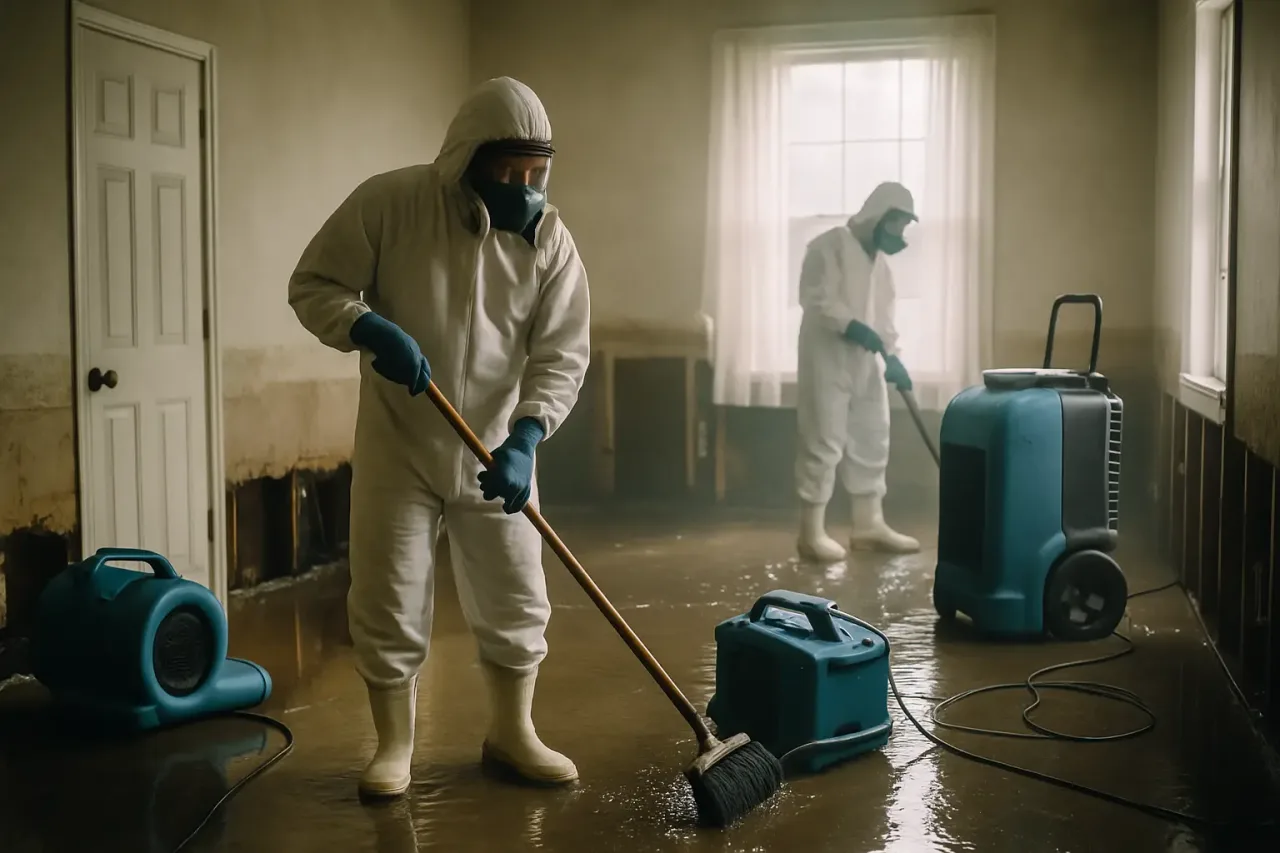
    Once standing water is gone, the structure still holds moisture you cannot see. Commercial air movers and low-grain refrigerant dehumidifiers run continuously for several days to pull residual moisture out of drywall, framing, and flooring. Technicians take daily moisture readings with calibrated meters, comparing affected materials to dry control areas elsewhere in the home. Drying is only declared complete when the numbers match.

    Step 4: Cleaning and Sanitizing

    Water damage often leaves behind contaminants, odors, and the conditions for mold growth. Restoration crews clean and sanitize all affected surfaces and salvageable belongings using antimicrobial treatments. For Category 2 and 3 losses, this step is critical and includes negative-air containment to prevent cross-contamination of clean areas.

    Step 5: Restoration and Repairs

    The final step returns your home to normal. This can range from minor repairs like replacing drywall and baseboards to major reconstruction of entire rooms. Reputable companies document every stage for your insurance file, which streamlines your claim and helps maximize covered costs.

    Why Speed Matters

    The IICRC industry standard warns that mold colonies can begin forming within 72 hours of water exposure on porous materials. In humid climates, that window is even shorter. Every hour counts, which is why professional crews prioritize rapid response and immediate mitigation over waiting for an insurance adjuster.

    Frequently Asked Questions

    How long does water damage restoration take?

    A typical clean-water job runs 3 to 5 days for drying, plus reconstruction time. Category 3 events with sewage or flooding can run 10 to 21 days for drying alone, with reconstruction adding 2 to 6 weeks.

    Will my insurance cover water damage restoration?

    Sudden and accidental water discharge (a burst pipe or appliance failure) is typically covered. Flooding from rising water requires separate flood insurance. We document the source of loss carefully and bill major carriers directly.

    Can I stay in my home during restoration?

    For Category 1 events in non-affected rooms, usually yes. Category 3 events with extensive contamination or mold often require temporary relocation, which most policies cover under Additional Living Expense.

    Get Professional Restoration Started Now

    If you have water damage, the first hours are the most important. Our IICRC-certified crews dispatch 24/7 and bill insurance directly.

    Call (888) 508-0998 for emergency response. Related services: water damage restoration, water removal, mold remediation.

☎ Call (888) 508-0998 — 24/7