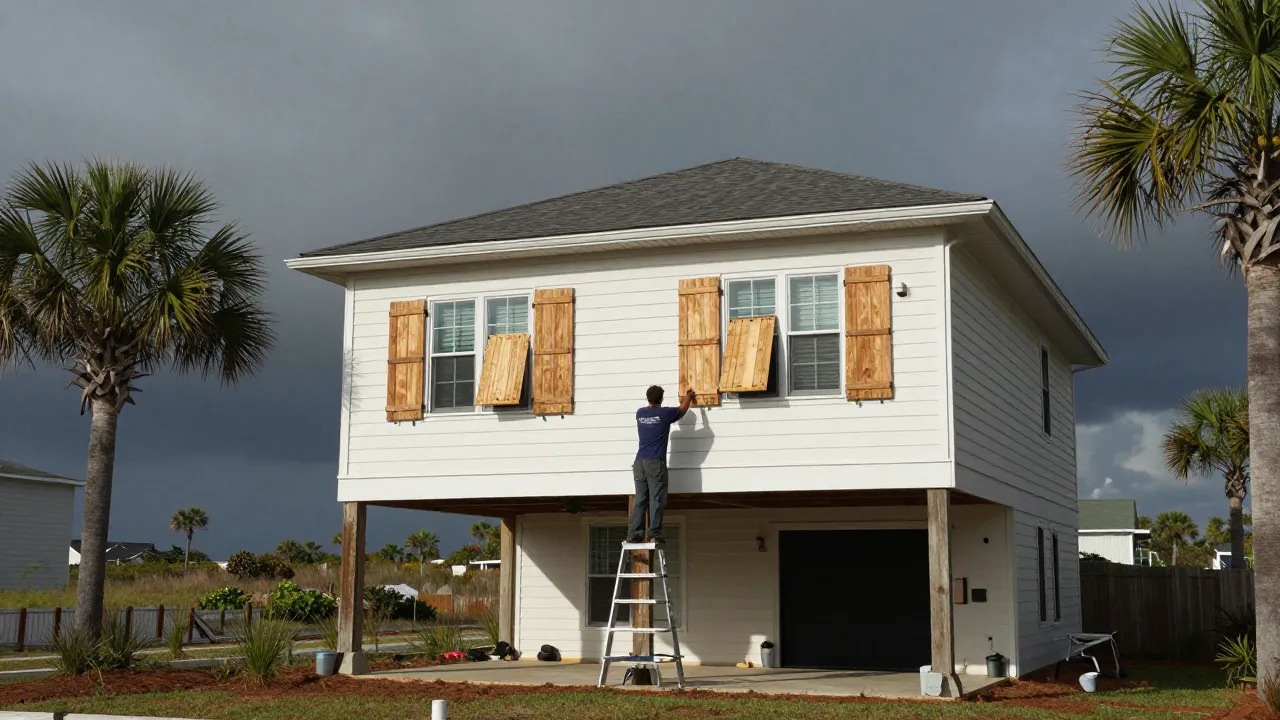
Wilmington takes direct hits from Atlantic hurricanes, and every season brings the same threats: storm surge along the Cape Fear and Wrightsville areas, wind-driven rain through compromised roofs, and the relentless coastal humidity that turns trapped moisture into mold within days. Preparation before the season, and a fast response after a storm, are what separate a recoverable home from a total loss.
How Hurricanes Flood Wilmington Homes
Storm surge pushes salt water into low-lying and waterfront neighborhoods. Wind-driven rain enters through roofs and windows damaged by the storm. Days of rain from a slow-moving system flood inland areas far from the coast. And the salt and humidity left behind keep materials damp and corrode electrical and metal components long after the water recedes.
Your First 60 Minutes
- Stop the source if it is safe, or shut the main valve for a burst pipe.
- Cut power to wet areas at the breaker before entering standing water.
- Move belongings off wet floors and document everything with photos and video.
- Begin extraction and drying right away, then call our 24/7 line.
How Professional Water Damage Restoration Works
Whatever the source, recovery follows the same IICRC S500 sequence, and the first hours decide how much can be saved:
- Emergency assessment. A certified technician traces the source, maps hidden moisture with meters and thermal imaging, and classifies the water so the plan matches the risk.
- Extraction. Truck-mounted and portable units pull out standing water fast.
- Structural drying. Air movers and commercial dehumidifiers dry framing, subfloor, and wall cavities to documented dry standards, not just to the touch.
- Cleaning and sanitizing. Surfaces are cleaned and antimicrobial-treated; contaminated porous materials are removed where required.
- Restoration. Drywall, flooring, and finishes are rebuilt, with every step photographed and logged to adjuster standards.
Surge vs. Wind in North Carolina
North Carolina homeowners policies cover wind-driven rain through storm damage but exclude storm surge and rising flood water, which need separate flood insurance. Because a single hurricane causes both, documenting the cause of each wet area is the most important step toward a clean, fully-paid claim.
Frequently Asked Questions
Does insurance cover hurricane flooding in Wilmington?
No. Storm surge and rising water need separate flood insurance. Wind-driven rain through storm damage is typically covered.
What should I do before a hurricane?
Reinforce the roof, install storm protection, elevate HVAC and valuables, confirm flood insurance, and have a restoration contact ready.
Need help right now?
Live dispatcher 24/7. IICRC-certified crews. Direct insurance billing.
Call (888) 502-0998How fast does mold grow after coastal flooding?
In coastal humidity, mold can begin within 24 to 48 hours, so extraction and dehumidification within the first day is the best defense.
Why does saltwater flooding need special handling?
Salt corrodes systems and holds moisture, so affected areas need flushing and more aggressive drying than freshwater.
Do you respond right after a hurricane?
Yes, 24/7. After a landfall, early callers are prioritized as soon as it is safe for crews to reach the area.
Get Help Now in Wilmington
Water damage only gets worse and more expensive the longer it sits. Our IICRC-certified crews answer 24/7 and work directly with your insurer. See our Wilmington water damage restoration page, or call now.
24/7 emergency dispatch: (888) 502-0998
This guide is part of our coverage for Wilmington. For the seasonal risk that matters most here, see our hurricane water damage guide.
Leave a Reply