24/7 Emergency Water Damage Response
Need help now? (888) 502-0998

Category: Storm Damage

Hurricanes, atmospheric rivers, severe storms, heavy rain, snowmelt and weather-driven flooding, plus storm preparation.

  • Storm and Flash Flood Water Damage in Fayetteville, Arkansas
    Storm Damage

    Storm and Flash Flood Water Damage in Fayetteville, Arkansas

    How Ozark terrain and severe storms drive flash flooding and hidden roof leaks in Fayetteville homes, plus first-hour steps and Arkansas insurance…

    Read more →

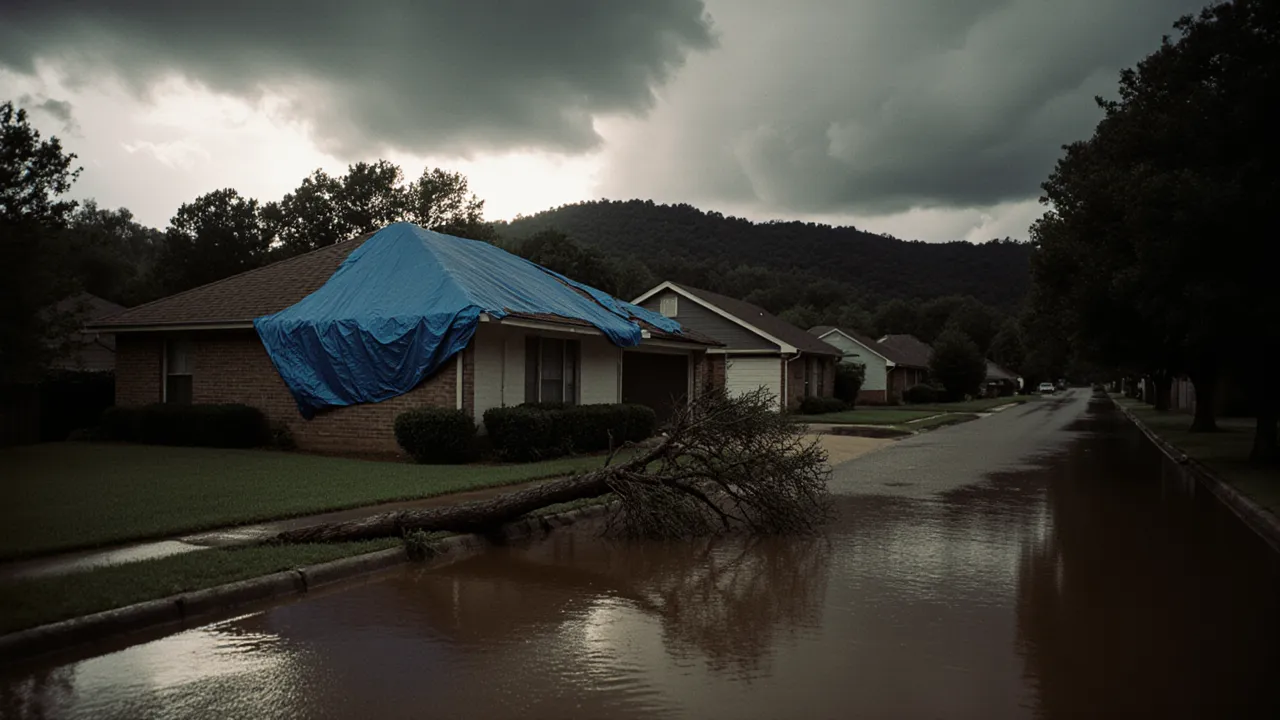
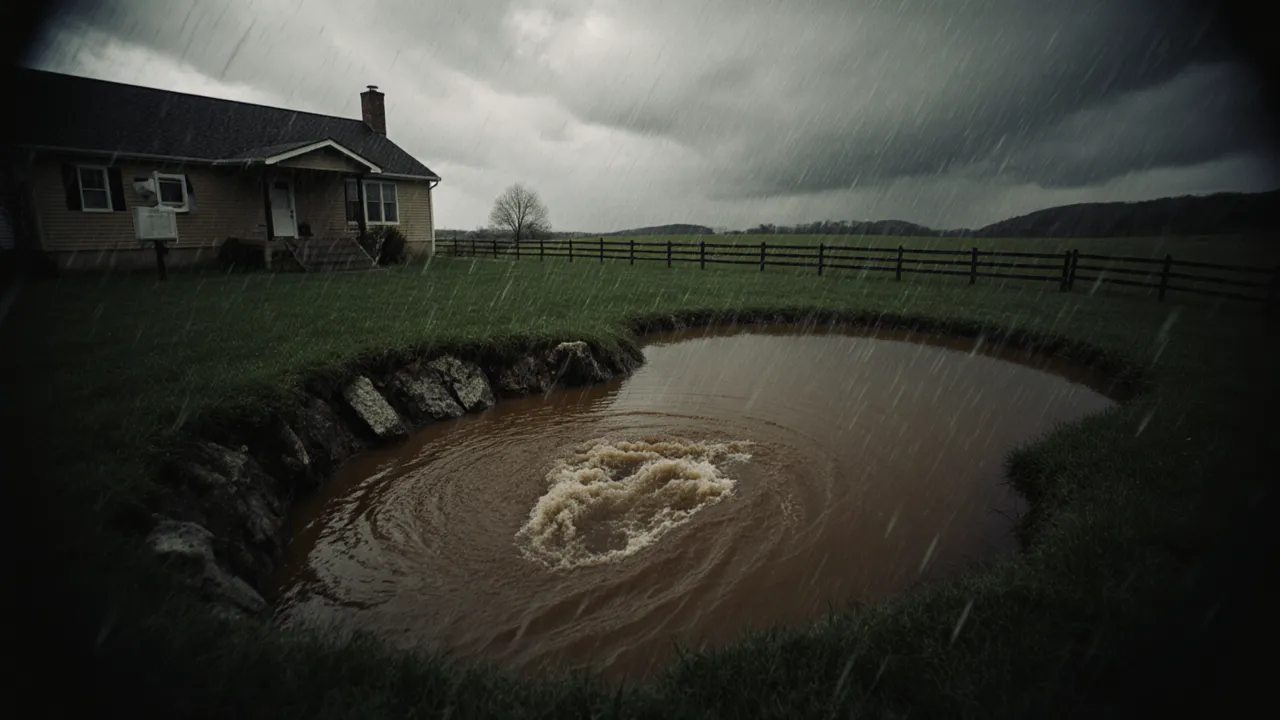
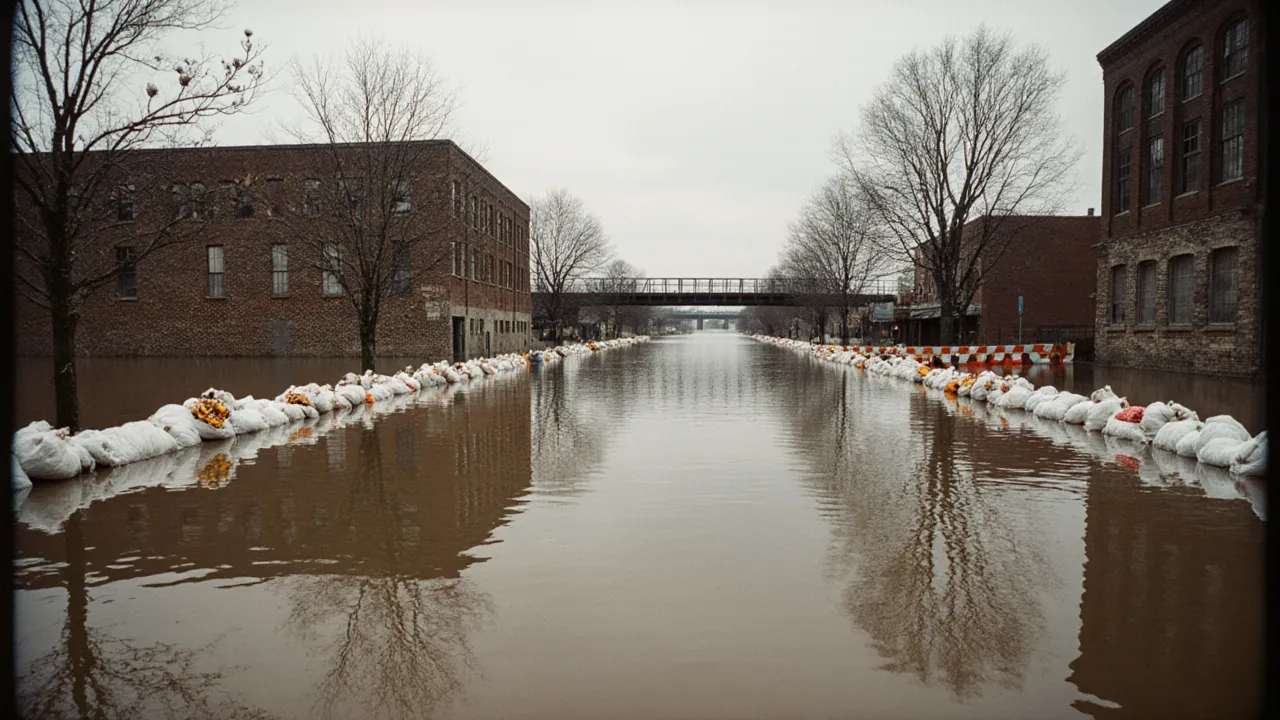
    Tarped storm-damaged roof and a downed limb across a flooded Fayetteville street below the Ozark hills

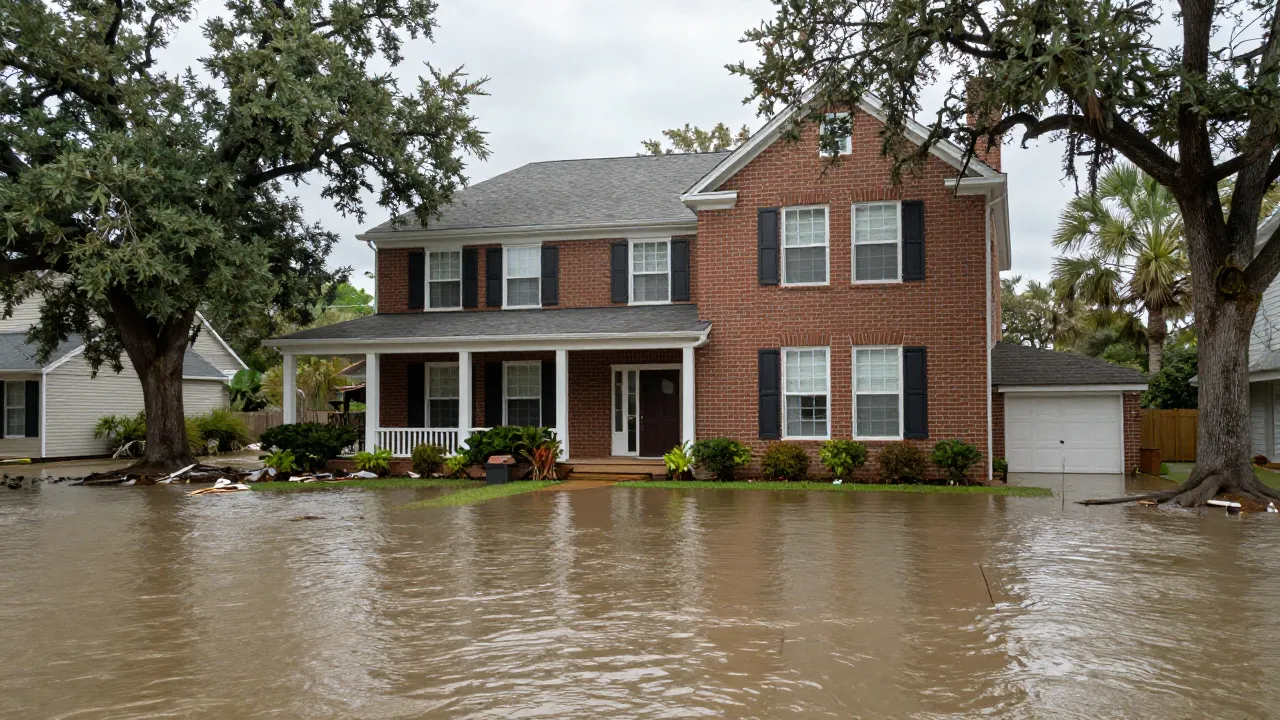
    Fayetteville sits in a landscape that is beautiful to live in and unforgiving when it rains hard. The city is built across the folded hills and hollows of the Ozark Plateau, where thin soils sit over fractured limestone and shale, and where a storm that stalls for two hours can turn a dry draw into a running creek. Add a spring severe-weather season that regularly produces damaging straight-line winds, hail and the occasional tornado, and you get a place where water damage arrives from several directions at once: through a compromised roof, up from an overwhelmed drainage swale, and sideways through a wall the wind just opened.

    This guide covers how storm and flash flood water damage actually happens in Fayetteville homes, what to do in the first hour, how professional drying works, what Arkansas insurance policies typically cover, and how to reduce your exposure before the next line of storms comes through.

    Why Fayetteville Terrain Turns Storms Into Water Damage

    Northwest Arkansas drains fast and unevenly. Neighborhoods around Mount Sequoyah, Mount Kessler and the ridges east of College Avenue shed runoff downhill in sheets, while homes in the low ground along Mud Creek, Clabber Creek, Town Branch and the West Fork of the White River take that water on. The result is a familiar local pattern: the house on the slope gets water pushed against its uphill foundation wall, and the house at the bottom of the hollow gets water rising at the door.

    Three things make it worse than the rainfall totals suggest. First, the region is heavily built out compared to a generation ago, and every new roof, driveway and parking lot in the Fayetteville and Springdale corridor sends water somewhere instead of absorbing it. Second, the shallow soil over bedrock has limited storage; once it saturates in a wet spring, additional rain runs off almost immediately. Third, many Fayetteville homes sit on crawl spaces rather than basements, and a crawl space is an efficient collector of water that nobody looks at until the smell reaches the living room.

    Storm damage compounds the problem. A hail-bruised or wind-lifted shingle does not leak the day it is damaged. It leaks three weeks later during the next heavy rain, into an attic nobody has opened since, and the first visible sign is a stain on a bedroom ceiling that is already well past its beginning.

    The Local Storm Patterns That Drive Losses

    Water damage calls in Washington County cluster around a handful of recognizable events:

    • Spring severe weather, roughly March through June. Supercells crossing the region bring hail, damaging winds and short bursts of very heavy rain. Roof and window envelope damage from this season produces leaks for months afterward.
    • Training thunderstorms. When storms repeatedly cross the same ground, three to five inches can fall in a few hours. Creeks in the hollows come up quickly, low-water crossings go under, and yards that have never flooded do.
    • Remnant tropical moisture in late summer and fall. The decayed remains of Gulf systems can park over the Ozarks and produce prolonged, soaking rain that saturates the ground and finds every drainage weakness.
    • Winter freeze events. Arkansas winters are milder than the Midwest but not mild. Hard freezes reach exposed crawl space plumbing, hose bibs and pipes in unheated garages and attics, and burst supply lines are a real part of the local loss mix.

    Your First 60 Minutes After Water Enters the House

    What you do in the first hour has more effect on the final cost than almost anything that follows. Move quickly, but do not take risks with electricity or contaminated water.

    • Stop the source if you safely can. For a burst supply line, shut the main valve and open a low faucet to relieve pressure. For storm water entering through the roof, do not climb up during or immediately after a storm; contain what you can indoors instead.
    • Cut power to affected areas at the breaker before stepping into standing water.
    • Treat floodwater as contaminated. Water that has crossed yards, streets or a crawl space carries soil bacteria, fertilizer and whatever the storm sewer was holding. Wear boots and gloves, and keep children and pets out.
    • Photograph and video everything before you move it. Wide shots of each room, then close-ups of damaged materials and the water line on the walls. Your claim depends on this documentation.
    • Lift and move what you can. Get furniture legs onto blocks, pull rugs off wood floors, and move boxes and electronics to a dry level.
    • Start extraction and drying now, not after the adjuster visits. Waiting for an inspection does not strengthen your claim; it just gives the water more time to spread.

    What Professional Water Damage Restoration Actually Involves

    Restoration is a documented process, not a cleanup crew with fans. A crew working to the IICRC S500 standard will locate and stop the source, then extract standing water with truck-mounted or portable equipment before it wicks further into building materials. Moisture meters and, where useful, thermal imaging are used to map how far the water actually traveled, because the visible wet area is almost never the full footprint. Water routinely runs under baseboards, along the underside of subfloor, into wall cavities and down into a crawl space where nothing looks wrong from above.

    Materials that cannot be dried in place are removed. Saturated carpet pad, wet insulation and drywall that has been soaked with contaminated water generally come out. Where contamination is involved, an antimicrobial is applied. Then commercial air movers and low-grain refrigerant dehumidifiers run continuously, with daily moisture readings logged, until the structure reaches a documented dry standard. That normally takes three to five days, occasionally longer for dense materials or a wet crawl space. Only after the structure is verifiably dry does reconstruction begin.

    You can read a fuller walkthrough of each phase on our process page and in our guide to how professional water damage restoration works.

    Mold and the 24-to-48-Hour Clock

    Arkansas summers are humid, and that humidity is the reason speed matters so much here. Given wet organic material and warm still air, mold can begin colonizing within 24 to 48 hours. A crawl space that took two inches of storm water and was never properly dried will produce a musty smell in the house above within a week or two, and visible growth on joists and subfloor not long after.

    The defense is not spraying something on the surface. It is removing the water fast, pulling the moisture out of the air and the materials, and correcting whatever let the water in. Where growth is already established, mold remediation under the IICRC S520 standard means containment, HEPA filtration, removal of affected porous materials and correction of the moisture source, not fogging and hoping. Our article on how fast mold grows after water damage covers the timeline in more detail.

    Preventing Storm Water Damage in a Fayetteville Home

    Most of what protects an Ozark house is drainage and envelope maintenance, done before the season rather than during it.

    • Get the roof inspected after any hail or high-wind event, even if nothing is leaking. Damage found in June is a repair; damage found in November is a claim.
    • Keep gutters and downspouts clear and extended. Oak and hickory litter fills gutters fast here. Discharge water at least six feet from the foundation, further on a slope.
    • Grade soil away from the house. Settled backfill against a foundation is one of the most common causes of chronic wet crawl spaces in the area.
    • Encapsulate or at least vapor-barrier the crawl space, and add a properly discharged sump if water collects there. Check it before storm season, not after.
    • Clear the swale. Many Fayetteville subdivisions rely on drainage easements between lots. A fence, a shed or a few years of landscaping fill can redirect that water straight into a neighbor structure.
    • Insulate vulnerable plumbing in crawl spaces, garages and exterior walls before the first hard freeze.
    • Install water alarms near the water heater, washing machine and any crawl space access. They are inexpensive and they buy hours.

    Insurance in Arkansas: What Is Usually Covered

    The distinction that decides most Arkansas claims is sudden internal water versus rising surface water. A standard homeowners policy generally covers sudden, accidental discharge from inside the home, such as a burst supply line, a failed water heater or an appliance hose letting go. It also generally covers wind-driven rain that enters through an opening the storm created, which is why documenting storm damage to the roof or windows matters so much.

    What a standard policy does not cover is rising surface water. Creek and flash flooding, water that sheets across the yard and comes in at the door, and water backing up from an overwhelmed storm drain are excluded and require separate NFIP or private flood insurance. A meaningful share of flood losses nationally occur outside mapped high-risk zones, and in a flash-flood landscape like Northwest Arkansas that gap catches people every year. Sewer and sump-pump backup usually requires its own endorsement as well.

    Because the cause of loss determines which policy responds, precise documentation is not paperwork; it is the claim. We document the source and category of the water, log daily moisture readings, and provide adjuster-grade photo and equipment records, then bill carriers directly. Our insurance guide and our post on what homeowners insurance covers go deeper.

    Frequently Asked Questions

    Does homeowners insurance cover flash flooding in Fayetteville?

    No. Rising surface water from creeks, hollows or overwhelmed drainage is excluded from standard homeowners policies and requires separate flood insurance. Sudden internal leaks and wind-driven rain through storm-created openings are generally covered. Many Fayetteville flash flood losses happen outside mapped high-risk flood zones.

    How quickly do I need to act after storm water gets into my house?

    Immediately. Extraction and drying should begin within hours. Mold can start on wet organic materials within 24 to 48 hours, and in Arkansas humidity that window is not generous. Waiting for an adjuster before drying begins usually increases the loss rather than protecting the claim.

    My crawl space took on water. Is that actually a problem?

    Yes, and it is the most commonly underestimated loss in this area. Standing water in a crawl space keeps the joists, subfloor and insulation above it damp, drives humidity up into the living space, and produces mold growth and eventually structural decay. It needs extraction, removal of saturated insulation and documented drying.

    Can wet drywall and flooring be saved?

    It depends on the water category and how long the material stayed wet. Clean water caught quickly can sometimes be dried in place. Materials soaked by flood or storm runoff are treated as contaminated and porous materials are removed under IICRC protocols rather than dried and reused.

    How fast can a crew get to my property?

    We dispatch 24 hours a day, every day, and crews serve the Fayetteville and Northwest Arkansas area. Actual arrival time depends on your location and current demand, which rises sharply during a widespread storm event, so calling early in an event matters.

    Get Help Now in Fayetteville

    Water damage in Fayetteville does not pause overnight or wait for business hours. Call our 24/7 dispatch line at (888) 502-0998 and we will get an IICRC-certified crew moving toward your property and coordinate directly with your insurance carrier.
    Related Resources

  • How Atmospheric Rivers Cause Water Damage in California Homes
    Storm Damage

    How Atmospheric Rivers Cause Water Damage in California Homes

    For most of the last decade, “atmospheric river” has gone from obscure meteorological term to a phrase every California homeowner recognizes. These…

    Read more →

    For most of the last decade, “atmospheric river” has gone from obscure meteorological term to a phrase every California homeowner recognizes. These long, narrow corridors of concentrated water vapor — the strongest of which can carry 7-15 times the water flow of the Mississippi — make landfall on the California coast during winter storms and deliver weeks of rain in days. This post explains what atmospheric rivers actually do to California homes, why the damage pattern differs from typical rainstorm losses, and how restoration adapts to atmospheric-river events specifically.

    What an Atmospheric River Actually Looks Like in California

    A typical atmospheric river (AR) event delivers:

    • 4-8 inches of rain in 24 hours over coastal counties, with up to 15+ inches over multi-day events
    • Sustained winds of 30-60 mph with peak gusts to 80+ in the strongest systems
    • Snow accumulation of 4-10+ feet in the Sierra Nevada (which then becomes spring snowmelt flooding)
    • Mudflow and debris flow potential across recent burn-scar zones

    The January 2023 atmospheric-river sequence delivered nine consecutive storms over three weeks. The February 2024 events combined extreme rainfall with hurricane-force winds across Southern California. Each AR event generates thousands of simultaneous water-damage calls across the affected region.

    Where California Homes Fail During AR Events

    AR-driven water damage clusters around five recurring failure modes:

    Failure 1: Hillside foundation seepage. Saturated soils on the steep terrain of Los Angeles canyons, San Francisco hills, Marin County, and East Bay hillsides push hydrostatic pressure against foundations. Homes in Bel-Air, the Hollywood Hills, Silver Lake, Mount Washington, the Berkeley hills, and Oakland’s east hills routinely take water through foundation cracks during AR events.

    Failure 2: Flat-roof ponding failures. Mid-Wilshire apartments, Koreatown stock, San Francisco Mission and SOMA flat-roofed buildings, and Oakland flat-roof commercial all see ponding-water failures after extended rain. Drains clog with debris, water pools beyond design capacity, and the roof membrane fails.

    Failure 3: Atmospheric-river surface flooding. Low-lying neighborhoods (Mission Valley in San Diego, parts of Sacramento’s downtown, San Jose’s Coyote Creek corridor, areas adjacent to the Los Angeles River, Russian River communities) see actual flood-stage water rising during the most extreme events.

    Failure 4: Burn-scar mudflow events. Communities downstream of recent fire burn scars (Eaton fire 2025, Palisades 2025, the 2018 Woolsey scar, the 2018 Camp fire scar) face debris-flow risk during AR events. Mud-laden water is Category 3 and requires full antimicrobial protocols plus debris removal.

    Failure 5: Skylight and roof-penetration leaks. Older California homes have many roof penetrations — original skylights, HVAC roof units, plumbing vents — and the seals degrade in the dry summer months. The first AR of the wet season finds every failed seal.

    Why California Insurance Won’t Cover Most AR Damage

    California’s homeowners insurance market has unique exclusions that catch homeowners off-guard after AR events:

    Standard California homeowners (HO-3) covers: – Sudden plumbing failures (pipe burst, water heater) – Wind-driven rain through storm-damaged roof or windows

    Standard California homeowners does NOT cover:Rising surface water from an AR event flooding ground-level rooms (this is “flood” — requires NFIP) – Atmospheric-river runoff seeping through foundation walls (this is “groundwater” — excluded) – Mudflow from burn-scar runoff (specifically excluded in most policies) – Long-term roof leaks that show evidence of months-long water entry (gradual-damage exclusion)

    After the 2023 atmospheric-river sequence, many California homeowners discovered they lacked coverage for what their carriers categorized as “groundwater” or “surface water” intrusion. NFIP flood policies are critical for properties in:

    • Mission Valley (San Diego)
    • Areas along the LA River
    • Russian River communities
    • Sacramento delta zones
    • Salinas Valley flood-prone areas

    Carriers we direct-bill in California include State Farm, Farmers, Allstate, USAA, AAA (CSAA), Mercury, Wawanesa (very common in San Diego County), and the FAIR Plan (for properties dropped by standard carriers due to wildfire risk).

    What Restoration Looks Like After California AR Events

    The California AR restoration playbook differs from typical residential water-damage work:

    Hour 0-12: Source containment and extraction. Hillside seepage requires diverting runoff away from the foundation before extraction makes sense. Mudflow events require excavation and debris removal before any structural drying.

    Day 1-3: Drying setup with elevated dehumidification. Coastal California’s marine-layer humidity (60-80% RH year-round) means we run elevated dehumidification capacity even though raw temperatures are mild.

    Days 3-10: Active structural drying. California’s mix of pre-1960 lath-and-plaster (in Hancock Park, San Francisco Victorians, downtown Sacramento) and post-1960 stucco-and-OSB requires technicians to switch drying approaches based on construction era.

    Days 10-21: Reconstruction. California’s permitting environment varies dramatically by jurisdiction. Los Angeles County permit timelines can extend 4-8 weeks for any work involving structural repairs.

    Frequently Asked Questions

    Does California homeowners insurance cover atmospheric-river water damage?

    Wind-driven rain through storm-damaged roofs or windows is typically covered. Rising surface water, hillside groundwater seepage, and mudflow are typically NOT covered — those require NFIP flood insurance. The distinction often determines whether a claim is covered or denied.

    How fast do California homes need extraction after an atmospheric river?

    The IICRC 72-hour mold-growth window applies in California, but coastal humidity compresses it to 48-60 hours in the wet season. Hillside and canyon-edge homes also face structural-stability risk from saturated foundations — getting extraction started within 24 hours is the high-leverage move.

    Can I prevent atmospheric-river damage to my California home?

    Several preventive moves reduce risk: extend downspouts 6-10 feet from the foundation; clear roof drains and gutters before October 1; seal foundation cracks proactively; install backup sump pumps in basement spaces (where applicable); maintain hurricane-rated window seals on coastal properties; sign a pre-loss agreement with a local IICRC-certified contractor before the wet season starts.

    What’s the typical timeline for AR-damage restoration?

    7-14 days for structural drying on Cat-1 events, 10-21 days for Cat-2/Cat-3 events. Reconstruction adds 2-6 weeks depending on local permit timelines. Burn-scar mudflow events run longer due to debris removal phases.

    Get a California Crew on Your Property

    Atmospheric-river events generate thousands of simultaneous calls across the state. Live dispatcher 24/7.

    Call (888) 502-0998 — California crews dispatch from LA, San Diego, San Francisco Bay Area, Sacramento, and Central Valley locations. We bill major California carriers directly plus NFIP for flood losses.

    Related: Los Angeles water damage restoration, San Diego water damage restoration, flood damage restoration services, emergency water damage restoration.

  • Water Damage Risks During Florida Hurricane Season
    Storm Damage

    Water Damage Risks During Florida Hurricane Season

    Florida runs the longest, most intense hurricane season in the continental United States. From June 1 to November 30, every Florida homeowner…

    Read more →

    Florida runs the longest, most intense hurricane season in the continental United States. From June 1 to November 30, every Florida homeowner is essentially on standby for the next named storm. The pattern is so well-established that restoration capacity, insurance markets, and even how homes are built have all been reshaped by repeated hurricane events. This guide breaks down what specifically happens to Florida homes during hurricane water events, the unique insurance landscape, and what to expect from professional restoration.

    How Hurricanes Cause Water Damage in Florida

    Three distinct water-entry mechanisms occur during a Florida hurricane, often simultaneously:

    Mechanism 1: Wind-driven rain through compromised envelopes. Cat-2 winds (96-110 mph) drive rain horizontally through any weakness — window seals, roof flashing, soffit vents, garage doors. Modern Florida construction includes hurricane shutters and impact-rated windows, but older homes (pre-1992 in Miami-Dade, pre-2002 in Central Florida) have aging window seals that fail at predictable wind speeds.

    Mechanism 2: Roof failures during sustained Cat-3+ winds. When sustained winds exceed 111 mph, roof shingles lift, tiles dislodge, and metal roofs separate from underlayment. The result is immediate water entry into attic spaces and from there into ceilings and walls. Even after the storm passes, the compromised roof continues leaking with every subsequent rain event for weeks.

    Mechanism 3: Surge and rising floodwater. Coastal communities (Miami Beach, Surfside, Key Biscayne, Fort Lauderdale beaches, Naples, Fort Myers Beach, Pensacola Beach, Daytona Beach, Jacksonville Beach) face storm surge — the wind-driven rise of seawater that can exceed 10-15 feet during major hurricanes. Surge is the deadliest aspect of hurricanes and creates Category 3 water emergencies wherever it inundates structures.

    The Florida Construction Reality

    Florida building stock falls into three eras that respond very differently to hurricane water:

    Pre-1992 wood-frame and stucco-wrapped homes (much of Coral Gables, Coconut Grove, the older parts of Miami Beach, older Hollywood and Fort Lauderdale neighborhoods, Tampa Bay’s historic areas) use hardwood interior walls, original terrazzo or wood flooring, and lath-and-plaster construction. These dry slowly and require careful controlled-evaporation drying to avoid further damage.

    Post-Hurricane Andrew (1992-2002) concrete-masonry-unit (CMU) construction dominates Miami-Dade. CMU is strong against wind but holds moisture inside the block once water gets in. Drying a CMU home takes longer than a wood-framed equivalent in another climate — we routinely run dehumidification for 10-14 days on Cat 2/Cat 3 losses in CMU buildings.

    Post-2002 engineered framing with hurricane straps and impact-rated windows defines newer Florida construction. These homes resist initial water intrusion better but are more sensitive to repeat moisture cycles once water DOES get in. The engineered I-joists and OSB sheathing wick moisture rapidly.

    The Florida Mold Reality

    The IICRC 72-hour mold-growth window is industry standard. In Florida’s climate, that window compresses dramatically. Year-round humidity averages 75% along the coast and 80%+ during summer. Inside an air-conditioned home, dew point and indoor humidity push wall-cavity conditions to 100% relative humidity within hours of a water event.

    Mold colonies start forming visibly at 24-36 hours in Florida, not 72. Restoration crews working Florida storm events run negative-pressure containment on essentially every Cat-2 or Cat-3 loss, plus elevated dehumidification capacity (typically 50% above textbook calculation).

    If a home goes more than 48 hours without active dehumidification after a hurricane water event, mold remediation should be assumed as part of the scope. Budget accordingly.

    Florida Hurricane Insurance: The Most Complex Market in America

    Florida’s homeowners insurance market has experienced repeated upheavals since 2017. Multiple national carriers have left the state; the residual market has shifted heavily to Citizens Property Insurance (the state-backed insurer of last resort), which now covers more than 1.3 million Florida properties.

    Key Florida insurance realities:

    • Hurricane deductibles typically run 2-5% of dwelling value (not flat dollar). On a $400,000 Florida home with a 2% hurricane deductible, the first $8,000 comes out of pocket.
    • Flood is separate. Standard Florida homeowners policies exclude flood. NFIP flood insurance (or private flood policies from companies like Neptune or TypTap) is required for rising-water claims.
    • Wind-driven rain coverage can be contested. Some carriers argue that water entry through wind-damaged roof openings is “flood-related” (excluded); others cover it as wind-driven rain (covered). Documentation of the wind damage timing matters.
    • Citizens, Universal Property, Heritage, FedNat, Tower Hill, State Farm, USAA are the main private + state carriers we direct-bill in Miami-Dade, Broward, Palm Beach, and Orange counties.

    What to Expect From Florida Hurricane Restoration

    A typical Florida Cat-3 hurricane restoration runs:

    • Days 1-3: Emergency mitigation, extraction, content pack-out, source containment, antimicrobial application.
    • Days 3-10: Active structural drying with negative-air containment for Cat-2/Cat-3 work. Daily moisture monitoring.
    • Days 10-15: Drying verification, equipment removal, post-remediation testing if mold remediation was involved.
    • Days 15-45: Reconstruction (drywall replacement, flooring, cabinets, baseboards). Reconstruction timing depends heavily on permit availability post-storm.

    Pre-Hurricane Preparation for Florida Homeowners

    A few preparations consistently reduce hurricane water-damage losses:

    • Move documents, photos, and valuables to second floor by June 1. King-tide and surge flooding affects ground-level rooms first.
    • Sign a pre-loss restoration agreement with a local IICRC-certified Florida contractor BEFORE hurricane season. Companies prioritize existing customers when call volume spikes.
    • Photograph every room with timestamped phone walkthrough annually. Update after any major purchase or renovation.
    • Verify flood insurance is in force AND covers contents, not just dwelling. Many policies are dwelling-only by default.
    • Identify your hurricane deductible before the storm. The financial difference between a 1% and a 5% deductible on a $400,000 home is $16,000.

    Frequently Asked Questions

    How fast does mold form after hurricane water damage in Florida?

    In Florida’s climate, mold colonies start forming visibly at 24-36 hours, compared to the IICRC industry-standard 72 hours. Florida’s elevated humidity and the wall-cavity microclimate created by AC operation compress the mold-growth window significantly.

    Is hurricane water damage covered by homeowners insurance in Florida?

    Wind-driven rain through storm-damaged roofs and windows is typically covered (with hurricane deductible applied). Rising surface floodwater is NOT covered by homeowners — requires NFIP flood or private flood insurance. The distinction between wind-driven rain and flood can be contested and depends on documentation.

    How long does Florida hurricane water damage restoration take?

    Typical timeline: 10-21 days for structural drying after a Cat-3 hurricane event, plus 2-6 weeks for reconstruction. Mold remediation adds 5-10 days. Permit availability and contractor capacity post-storm can extend the reconstruction phase considerably.

    What’s the response time for a Florida restoration crew after a hurricane?

    Normal response inside Miami-Dade, Broward, Orange, and Hillsborough counties is 30-90 minutes. During the first 72 hours of a major hurricane response, every restoration company in Florida runs at capacity, and response times stretch to 24-72+ hours for new customers. Existing customers with pre-loss agreements get priority.

    Get Florida Crews on Your Property

    If you’re prepping for a storm or in the immediate aftermath of one, our Florida dispatch desks operate 24/7.

    Call (888) 502-0998 — Florida crews dispatch from Miami, Orlando, Tampa, Jacksonville, and the panhandle. We direct-bill Citizens Property Insurance, NFIP, plus every major Florida private carrier.

    Related: Miami water damage restoration, Orlando water damage restoration, flood damage restoration services, emergency water damage restoration, mold remediation specialists.

  • Storm Damage

    Hurricane Water Damage in Norfolk: What Tidewater Homeowners Need to Know

    A Norfolk homeowner guide to hurricane water damage: surge vs. wind, insurance gaps, mold risk, and fast coastal restoration. 24/7 help.

    Read more →

    Hurricane water damage in Norfolk, VA

    Few cities are as exposed to hurricane water damage as Norfolk. Low elevation, an aging storm-drain network, and constant tidal influence mean that a tropical system, or even a strong nor’easter, can push water into homes from the ground up while wind drives rain in from above. In the Tidewater humidity that follows, what you cannot see, the moisture trapped in walls and floors, becomes the bigger problem within a day or two.

    This guide covers how the damage happens, why the insurance distinctions matter so much, and what to do first.

    How Hurricanes Flood Norfolk Homes

    Norfolk water damage comes from distinct sources at once. Storm surge and tidal flooding push salt water into low-lying neighborhoods like Ghent and Ocean View. Wind-driven rain enters through storm-damaged roofs and windows. Sunny-day and king-tide flooding backs up through storm drains even without a named storm. The salt left behind is corrosive and holds moisture, accelerating damage to electrical and metal components long after the water recedes.

    Your First 60 Minutes

    • Stop the source if it is safe, or shut the main valve for a burst pipe.
    • Cut power to wet areas at the breaker before entering standing water.
    • Move belongings off wet floors and document everything with photos and video.
    • Begin extraction and drying right away, then call our 24/7 line.

    How Professional Water Damage Restoration Works

    Whatever the source, recovery follows the same IICRC S500 sequence, and the first hours decide how much can be saved:

    1. Emergency assessment. A certified technician traces the source, maps hidden moisture with meters and thermal imaging, and classifies the water so the plan matches the risk.
    2. Extraction. Truck-mounted and portable units pull out standing water fast.
    3. Structural drying. Air movers and commercial dehumidifiers dry framing, subfloor, and wall cavities to documented dry standards, not just to the touch.
    4. Cleaning and sanitizing. Surfaces are cleaned and antimicrobial-treated; contaminated porous materials are removed where required.
    5. Restoration. Drywall, flooring, and finishes are rebuilt, with every step photographed and logged to adjuster standards.

    Surge vs. Wind: The Insurance Distinction

    This is the single most important thing to understand. Storm surge and rising flood water are excluded from homeowners policies and are covered only by separate flood insurance. Wind-driven rain entering through storm damage is usually covered by the homeowners wind policy. Many Norfolk homes sustain both at once, so documenting the cause of each wet area, at its source, is decisive for a clean claim.

    Frequently Asked Questions

    Does my homeowners policy cover hurricane flooding in Norfolk?

    No. Storm surge and rising water require separate flood insurance. Wind-driven rain through storm damage is typically covered, which is why separating the two matters.

    How fast does mold grow after a hurricane?

    In Tidewater humidity, mold can begin within 24 to 48 hours. Rapid extraction and commercial dehumidification within the first day is the best defense.

    Why is saltwater damage worse than freshwater?

    Salt is corrosive and hygroscopic, meaning it draws moisture from the air and keeps materials damp, so it requires flushing and more aggressive drying.

    What should I do first after the storm passes?

    Once evacuation orders lift and it is safe, stop any ongoing intrusion, cut power to wet areas, photograph everything before moving it, and begin extraction. Do not wait for an adjuster to start drying.

    Do you respond during widespread storm events?

    Yes, 24/7. When an entire region floods, early callers are prioritized as soon as crews can safely reach the area.

    Get Help Now in Norfolk

    Water damage only gets worse and more expensive the longer it sits. Our IICRC-certified crews answer 24/7 and work directly with your insurer. See our Norfolk water damage restoration page, or call now.

    24/7 emergency dispatch: (888) 502-0998

    This guide is part of our coverage for Norfolk. For the seasonal risk that matters most here, see our hurricane water damage guide.

    Related Resources

  • Storm Damage

    Rainy-Season Water Damage in Vancouver, WA: The Hidden Threat

    Why the long Pacific Northwest wet season causes hidden water damage and mold in Vancouver, WA homes, and how to prevent and…

    Read more →

    Rainy-season water damage in Vancouver, WA

    Vancouver does not get dramatic floods as often as it gets months of steady rain, and that is exactly what makes its water damage so insidious. The Pacific Northwest wet season saturates the ground, overwhelms gutters, and keeps everything damp for so long that small leaks never get a chance to dry. The result is slow, hidden damage and mold that takes hold before anyone notices.

    Here is what Vancouver homeowners should watch for and how to stay ahead of it.

    How the Wet Season Damages Vancouver Homes

    Months of rain raise the water table and push groundwater through foundation cracks into basements and crawlspaces. Overwhelmed gutters and downspouts let water pool against the foundation. Roof and skylight leaks that would dry out elsewhere stay wet here. And because the climate is cool and damp year-round, materials rarely dry on their own, so a minor leak in a neighborhood like Felida or Cascade Park can quietly feed mold for weeks.

    Your First 60 Minutes

    • Stop the source if it is safe, or shut the main valve for a burst pipe.
    • Cut power to wet areas at the breaker before entering standing water.
    • Move belongings off wet floors and document everything with photos and video.
    • Begin extraction and drying right away, then call our 24/7 line.

    How Professional Water Damage Restoration Works

    Whatever the source, recovery follows the same IICRC S500 sequence, and the first hours decide how much can be saved:

    1. Emergency assessment. A certified technician traces the source, maps hidden moisture with meters and thermal imaging, and classifies the water so the plan matches the risk.
    2. Extraction. Truck-mounted and portable units pull out standing water fast.
    3. Structural drying. Air movers and commercial dehumidifiers dry framing, subfloor, and wall cavities to documented dry standards, not just to the touch.
    4. Cleaning and sanitizing. Surfaces are cleaned and antimicrobial-treated; contaminated porous materials are removed where required.
    5. Restoration. Drywall, flooring, and finishes are rebuilt, with every step photographed and logged to adjuster standards.

    Insurance and the Wet Season

    Washington homeowners policies cover sudden internal leaks and wind-driven rain, but rising river and surface flooding is excluded and needs separate flood insurance, and sewer or sump backup requires an endorsement. Mold that results from a covered sudden loss is often covered, while mold from a long-ignored leak usually is not, which is why prompt, documented drying protects both your home and your claim.

    Frequently Asked Questions

    Why is mold such a problem after water damage in Vancouver?

    The cool, damp Northwest climate rarely dries materials on its own, so trapped moisture lingers and feeds mold. Commercial dehumidification to documented dry standards is the fix.

    Is groundwater seepage covered by insurance?

    No. Rising surface and groundwater is excluded from homeowners policies and needs separate flood insurance. Sudden internal leaks are typically covered.

    How do I know if I have hidden water damage?

    Musty odors, warped or discolored flooring, peeling paint, and a persistent damp feeling are common signs. A moisture-meter inspection confirms it.

    Can I just run a fan to dry a damp basement?

    Household fans move air but do not remove humidity. Commercial dehumidifiers are needed to pull moisture to safe levels in the Northwest climate.

    How fast can a crew reach my Vancouver home?

    Typically within the hour across Clark County, outside of widespread storm events.

    Get Help Now in Vancouver

    Water damage only gets worse and more expensive the longer it sits. Our IICRC-certified crews answer 24/7 and work directly with your insurer. See our Vancouver water damage restoration page, or call now.

    24/7 emergency dispatch: (888) 502-0998

    This guide is part of our coverage for Vancouver. For the seasonal risk that matters most here, see our basement flooding guide.

    Related Resources

  • Storm Damage

    Nor’easter Flood Prep for Bridgeport Homes

    How Bridgeport homeowners can prepare for nor'easter coastal flooding and winter water damage along Long Island Sound, plus 24/7 cleanup help.

    Read more →

    Nor’easter flood prep for Bridgeport, CT

    Bridgeport sits right on Long Island Sound, and it faces water from two directions: coastal flooding driven by nor’easters and onshore storms, and the burst pipes and ice dams of a hard New England winter. Neighborhoods like Black Rock and the South End see tidal water push in during big storms, while older housing across the city is vulnerable to freeze damage. Preparing for both is the difference between a manageable cleanup and a gut-and-rebuild.

    How Nor’easters and Winter Flood Bridgeport Homes

    Nor’easters drive tidal surge and wind-driven rain into low-lying and waterfront areas, and the salt water they leave behind corrodes systems and keeps materials damp. In deep winter, frozen and burst pipes strike older homes, and ice dams force snowmelt under shingles into ceilings. Heavy storms also overwhelm aging drainage and back water into basements.

    Your First 60 Minutes

    • Stop the source if it is safe, or shut the main valve for a burst pipe.
    • Cut power to wet areas at the breaker before entering standing water.
    • Move belongings off wet floors and document everything with photos and video.
    • Begin extraction and drying right away, then call our 24/7 line.

    How Professional Water Damage Restoration Works

    Whatever the source, recovery follows the same IICRC S500 sequence, and the first hours decide how much can be saved:

    1. Emergency assessment. A certified technician traces the source, maps hidden moisture with meters and thermal imaging, and classifies the water so the plan matches the risk.
    2. Extraction. Truck-mounted and portable units pull out standing water fast.
    3. Structural drying. Air movers and commercial dehumidifiers dry framing, subfloor, and wall cavities to documented dry standards, not just to the touch.
    4. Cleaning and sanitizing. Surfaces are cleaned and antimicrobial-treated; contaminated porous materials are removed where required.
    5. Restoration. Drywall, flooring, and finishes are rebuilt, with every step photographed and logged to adjuster standards.

    What Insurance Covers

    Connecticut homeowners policies cover sudden burst pipes in a reasonably heated home and wind-driven rain, but tidal and coastal flooding off the Sound is excluded and needs separate flood insurance, and sewer or sump backup requires an endorsement. After a nor’easter, separating wind damage from flood damage is the key to a clean claim.

    Frequently Asked Questions

    Does insurance cover coastal flooding in Bridgeport?

    No. Tidal and coastal flood water is excluded and needs separate flood insurance. Burst pipes and wind-driven rain are typically covered.

    Should waterfront homeowners take special steps?

    Yes. Elevate HVAC and electrical, carry flood insurance, and have a restoration contact ready before storm season, because surge events leave little time to plan.

    Why does saltwater flooding need special handling?

    Salt is corrosive and holds moisture, so affected areas need flushing and more aggressive drying than freshwater, plus attention to electrical and metal components.

    Do you respond after nor easters in Bridgeport?

    Yes, our dispatcher runs 24/7. After widespread coastal storms, early callers are prioritized once it is safe to work.

    How do I prevent winter pipe bursts?

    Insulate pipes, keep heat at 55F or higher even when away, and let a faucet drip during hard freezes to relieve pressure.

    Get Help Now in Bridgeport

    Water damage only gets worse and more expensive the longer it sits. Our IICRC-certified crews answer 24/7 and work directly with your insurer. See our Bridgeport water damage restoration page, or call now.

    24/7 emergency dispatch: (888) 502-0998

    This guide is part of our coverage for Bridgeport. For the seasonal risk that matters most here, see our coastal flood restoration guide.

    Related Resources

  • Storm Damage

    Storm and Flash Flood Cleanup in Murfreesboro

    How Murfreesboro homeowners handle severe-storm and flash-flood water damage in Middle Tennessee, from emergency steps to insurance and 24/7 cleanup.

    Read more →

    Flash flood cleanup in Murfreesboro, TN

    Middle Tennessee gets some of the most intense thunderstorms in the country, and Murfreesboro feels it through wind, hail, and the flash flooding that follows a stalled storm. When a roof is breached or a creek jumps its banks, water moves fast, and the humid Tennessee climate means mold is close behind. Knowing how to respond in the first hour protects the most material.

    How Storms Damage Murfreesboro Homes

    Severe thunderstorms and the occasional tornado tear roofing and drive rain into attics and ceilings. Hail punctures roofs that then leak with the next rain. Flash flooding overwhelms drainage when storms stall over Rutherford County, and that water is often contaminated, carrying debris and runoff. The persistent humidity turns any lingering moisture into mold within a day or two.

    Your First 60 Minutes

    • Stop the source if it is safe, or shut the main valve for a burst pipe.
    • Cut power to wet areas at the breaker before entering standing water.
    • Move belongings off wet floors and document everything with photos and video.
    • Begin extraction and drying right away, then call our 24/7 line.

    How Professional Water Damage Restoration Works

    Whatever the source, recovery follows the same IICRC S500 sequence, and the first hours decide how much can be saved:

    1. Emergency assessment. A certified technician traces the source, maps hidden moisture with meters and thermal imaging, and classifies the water so the plan matches the risk.
    2. Extraction. Truck-mounted and portable units pull out standing water fast.
    3. Structural drying. Air movers and commercial dehumidifiers dry framing, subfloor, and wall cavities to documented dry standards, not just to the touch.
    4. Cleaning and sanitizing. Surfaces are cleaned and antimicrobial-treated; contaminated porous materials are removed where required.
    5. Restoration. Drywall, flooring, and finishes are rebuilt, with every step photographed and logged to adjuster standards.

    Storm Damage and Insurance

    Tennessee homeowners policies generally cover wind, hail, and storm damage that lets rain in, including the resulting water damage. Rising and flash floodwater from the same storm is excluded and needs separate flood insurance. Documenting how water entered, through a wind-damaged roof versus from the ground, decides which policy responds.

    Frequently Asked Questions

    Is storm water damage covered by insurance in Murfreesboro?

    Wind and hail damage that lets rain in is generally covered. Rising and flash floodwater is excluded and needs flood insurance.

    Why is flash flood water considered contaminated?

    It travels over streets and ground, picking up fuel, chemicals, and debris, which makes it Category 3 water requiring decontamination and removal of soaked porous materials.

    How fast should I act after a storm?

    Within hours. Once a roof is breached, every additional hour of rain spreads the damage, so emergency tarping and same-day extraction protect the most material.

    How quickly does mold form here?

    In Tennessee humidity, mold can begin within 24 to 48 hours, so fast professional drying is the best prevention.

    Do you handle roof tarping too?

    We focus on extraction and structural drying and coordinate emergency roof protection so the intrusion is stopped while drying proceeds.

    Get Help Now in Murfreesboro

    Water damage only gets worse and more expensive the longer it sits. Our IICRC-certified crews answer 24/7 and work directly with your insurer. See our Murfreesboro water damage restoration page, or call now.

    24/7 emergency dispatch: (888) 502-0998

    This guide is part of our coverage for Murfreesboro. For the seasonal risk that matters most here, see our storm water extraction guide.

    Related Resources

  • Mold

    Mold After Storms: A Macon Homeowner’s Guide

    Why Georgia storms and humidity make mold a top water-damage risk in Macon, how to spot it early, and how professional remediation…

    Read more →

    Mold growth after storms in Macon, GA

    In Macon, the storm is rarely the end of the story, the mold is. Central Georgia’s heat and humidity create near-perfect conditions for mold to take hold after any water intrusion, and it needs only a day or two of trapped moisture to start. A leak from a summer thunderstorm that seems minor can quietly grow into a health and structural problem behind the walls.

    Here is how Macon homeowners can catch it early and deal with it properly.

    Why Mold Follows Water Damage in Macon

    Severe thunderstorms and the remnants of tropical systems drive rain into Macon homes through damaged roofs and windows. Flash flooding overwhelms drainage during heavy downpours. But the real driver of mold is the climate: high year-round humidity means materials that read dry on the surface often stay wet inside, especially in older homes around Vineville and Shirley Hills. Incomplete drying, not the water itself, is what lets mold start.

    Your First 60 Minutes

    • Stop the source if it is safe, or shut the main valve for a burst pipe.
    • Cut power to wet areas at the breaker before entering standing water.
    • Move belongings off wet floors and document everything with photos and video.
    • Begin extraction and drying right away, then call our 24/7 line.

    How Professional Water Damage Restoration Works

    Whatever the source, recovery follows the same IICRC S500 sequence, and the first hours decide how much can be saved:

    1. Emergency assessment. A certified technician traces the source, maps hidden moisture with meters and thermal imaging, and classifies the water so the plan matches the risk.
    2. Extraction. Truck-mounted and portable units pull out standing water fast.
    3. Structural drying. Air movers and commercial dehumidifiers dry framing, subfloor, and wall cavities to documented dry standards, not just to the touch.
    4. Cleaning and sanitizing. Surfaces are cleaned and antimicrobial-treated; contaminated porous materials are removed where required.
    5. Restoration. Drywall, flooring, and finishes are rebuilt, with every step photographed and logged to adjuster standards.

    Insurance and Mold

    Georgia policies often cover mold that results directly from a covered sudden water loss when cleanup begins promptly, but exclude mold traced to long-term leaks or neglect. That distinction is why documented, fast professional drying matters twice: it stops mold from forming and preserves the record that the mold followed a covered event.

    Frequently Asked Questions

    How fast does mold grow after water damage in Macon?

    In Georgia humidity, mold can begin within 24 to 48 hours on wet porous materials, which is why drying speed is critical.

    Can I just clean mold with bleach myself?

    Surface cleaning hides the problem if the material stayed wet inside. Proper remediation contains the area, removes affected porous materials, and fixes the moisture source.

    Is mold removal covered by insurance?

    Mold from a covered sudden loss is often covered; mold from long-term leaks or neglect is usually excluded. Fast documented drying helps keep a claim valid.

    What are the early signs of mold?

    A musty odor, discoloration on drywall or wood, allergy-like symptoms that ease when you leave the house, and warping near a past leak.

    How do you prevent mold during cleanup?

    By extracting fast and drying to documented moisture targets, not to the touch, so no hidden moisture is left to feed mold.

    Get Help Now in Macon

    Water damage only gets worse and more expensive the longer it sits. Our IICRC-certified crews answer 24/7 and work directly with your insurer. See our Macon water damage restoration page, or call now.

    24/7 emergency dispatch: (888) 502-0998

    This guide is part of our coverage for Macon. For the seasonal risk that matters most here, see our mold after water damage guide.

    Related Resources

  • Storm Damage

    Hurricane Season Prep for Wilmington Coastal Homes

    A Wilmington, NC guide to preparing for hurricane and coastal flood water damage: surge vs. wind insurance, fast response, and mold prevention.

    Read more →

    Hurricane season prep in Wilmington, NC

    Wilmington takes direct hits from Atlantic hurricanes, and every season brings the same threats: storm surge along the Cape Fear and Wrightsville areas, wind-driven rain through compromised roofs, and the relentless coastal humidity that turns trapped moisture into mold within days. Preparation before the season, and a fast response after a storm, are what separate a recoverable home from a total loss.

    How Hurricanes Flood Wilmington Homes

    Storm surge pushes salt water into low-lying and waterfront neighborhoods. Wind-driven rain enters through roofs and windows damaged by the storm. Days of rain from a slow-moving system flood inland areas far from the coast. And the salt and humidity left behind keep materials damp and corrode electrical and metal components long after the water recedes.

    Your First 60 Minutes

    • Stop the source if it is safe, or shut the main valve for a burst pipe.
    • Cut power to wet areas at the breaker before entering standing water.
    • Move belongings off wet floors and document everything with photos and video.
    • Begin extraction and drying right away, then call our 24/7 line.

    How Professional Water Damage Restoration Works

    Whatever the source, recovery follows the same IICRC S500 sequence, and the first hours decide how much can be saved:

    1. Emergency assessment. A certified technician traces the source, maps hidden moisture with meters and thermal imaging, and classifies the water so the plan matches the risk.
    2. Extraction. Truck-mounted and portable units pull out standing water fast.
    3. Structural drying. Air movers and commercial dehumidifiers dry framing, subfloor, and wall cavities to documented dry standards, not just to the touch.
    4. Cleaning and sanitizing. Surfaces are cleaned and antimicrobial-treated; contaminated porous materials are removed where required.
    5. Restoration. Drywall, flooring, and finishes are rebuilt, with every step photographed and logged to adjuster standards.

    Surge vs. Wind in North Carolina

    North Carolina homeowners policies cover wind-driven rain through storm damage but exclude storm surge and rising flood water, which need separate flood insurance. Because a single hurricane causes both, documenting the cause of each wet area is the most important step toward a clean, fully-paid claim.

    Frequently Asked Questions

    Does insurance cover hurricane flooding in Wilmington?

    No. Storm surge and rising water need separate flood insurance. Wind-driven rain through storm damage is typically covered.

    What should I do before a hurricane?

    Reinforce the roof, install storm protection, elevate HVAC and valuables, confirm flood insurance, and have a restoration contact ready.

    How fast does mold grow after coastal flooding?

    In coastal humidity, mold can begin within 24 to 48 hours, so extraction and dehumidification within the first day is the best defense.

    Why does saltwater flooding need special handling?

    Salt corrodes systems and holds moisture, so affected areas need flushing and more aggressive drying than freshwater.

    Do you respond right after a hurricane?

    Yes, 24/7. After a landfall, early callers are prioritized as soon as it is safe for crews to reach the area.

    Get Help Now in Wilmington

    Water damage only gets worse and more expensive the longer it sits. Our IICRC-certified crews answer 24/7 and work directly with your insurer. See our Wilmington water damage restoration page, or call now.

    24/7 emergency dispatch: (888) 502-0998

    This guide is part of our coverage for Wilmington. For the seasonal risk that matters most here, see our hurricane water damage guide.

    Related Resources

  • Storm Damage

    Tornado and Severe-Storm Water Damage in Overland Park

    How Overland Park homeowners handle water damage from tornadoes, hail, and flash flooding, including insurance, emergency steps, and 24/7 cleanup.

    Read more →

    Tornado water damage in Overland Park, KS

    Overland Park sits in the heart of storm country, where spring and summer bring tornadoes, damaging hail, and the flash flooding that follows a stalled supercell. The water damage that comes after a storm, through a hail-punctured roof or a flooded street, can be as costly as the wind itself, and acting fast is what saves a home.

    How Storms Damage Overland Park Homes

    Severe thunderstorms and tornadoes tear roofing and drive rain into attics and ceilings. Hail punctures shingles that then leak with the next rain. Flash flooding overwhelms drainage when storms stall over Johnson County, and hard winter freezes burst pipes in homes built mainly for heat. Documenting damage right after the storm is essential for the claim.

    Your First 60 Minutes

    • Stop the source if it is safe, or shut the main valve for a burst pipe.
    • Cut power to wet areas at the breaker before entering standing water.
    • Move belongings off wet floors and document everything with photos and video.
    • Begin extraction and drying right away, then call our 24/7 line.

    How Professional Water Damage Restoration Works

    Whatever the source, recovery follows the same IICRC S500 sequence, and the first hours decide how much can be saved:

    1. Emergency assessment. A certified technician traces the source, maps hidden moisture with meters and thermal imaging, and classifies the water so the plan matches the risk.
    2. Extraction. Truck-mounted and portable units pull out standing water fast.
    3. Structural drying. Air movers and commercial dehumidifiers dry framing, subfloor, and wall cavities to documented dry standards, not just to the touch.
    4. Cleaning and sanitizing. Surfaces are cleaned and antimicrobial-treated; contaminated porous materials are removed where required.
    5. Restoration. Drywall, flooring, and finishes are rebuilt, with every step photographed and logged to adjuster standards.

    Storm Damage and Insurance

    Kansas homeowners policies cover tornado, wind, and hail damage and sudden burst pipes, including the resulting water damage. Flash and rising surface flooding is excluded and needs separate flood insurance. After a storm outbreak, separating wind and hail damage from flood damage is decisive for a clean claim.

    Frequently Asked Questions

    Is hail and storm water damage covered in Overland Park?

    Yes, wind, hail, and tornado damage that lets rain in is generally covered, including the resulting water damage. Flash flooding is excluded and needs flood insurance.

    How fast should I act after a storm?

    Quickly. Once a roof is breached, every hour of rain spreads the damage, so emergency tarping and same-day extraction protect the most material.

    What should I photograph for my claim?

    All damage before cleanup, including roof and hail damage, water lines on walls, and affected contents. Thorough documentation speeds the claim.

    Is flash flood water dangerous?

    Yes, it is contaminated Category 3 water carrying debris and runoff, so it requires decontamination and removal of soaked porous materials.

    How quickly can a crew reach my Overland Park home?

    Typically within the hour across Johnson County, outside of widespread storm events.

    Get Help Now in Overland Park

    Water damage only gets worse and more expensive the longer it sits. Our IICRC-certified crews answer 24/7 and work directly with your insurer. See our Overland Park water damage restoration page, or call now.

    24/7 emergency dispatch: (888) 502-0998

    This guide is part of our coverage for Overland Park. For the seasonal risk that matters most here, see our storm water extraction guide.

    Related Resources

☎ Call (888) 502-0998 — 24/7