24/7 Emergency Water Damage Response
Need help now? (888) 502-0998

Category: Storm Damage

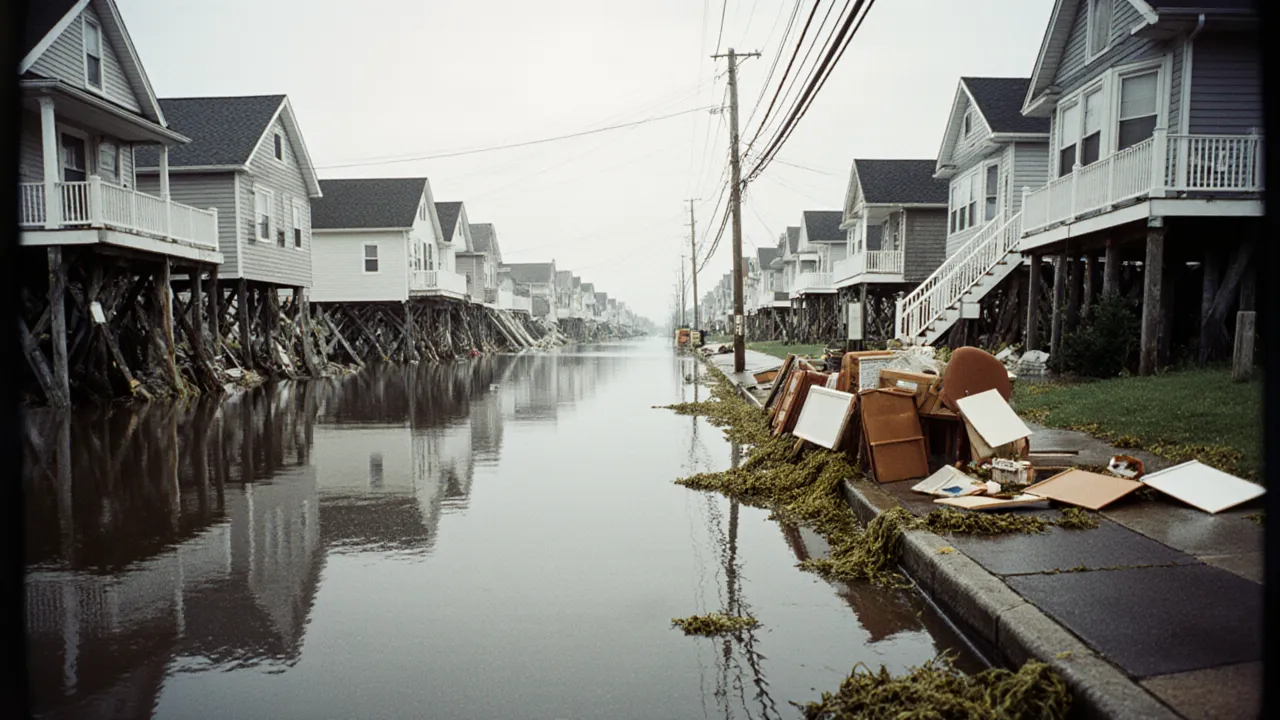
Hurricanes, atmospheric rivers, severe storms, heavy rain, snowmelt and weather-driven flooding, plus storm preparation.

  • Charlotte Storm Water Damage Prevention
    Storm Damage

    Charlotte Storm Water Damage Prevention

    Charlotte storms and humidity drive roof leaks, flooding, and mold. Learn practical prevention and what to do when water gets in.

    Read more →

    Charlotte sits in the path of severe thunderstorms, the inland remnants of coastal hurricanes, and long humid summers, a combination that drives steady storm-related water damage across the Carolinas Piedmont. From the historic bungalows of Dilworth and Plaza Midwood to the newer subdivisions ringing the metro, storm water finds its way in through compromised roofs, overwhelmed drainage, and aging plumbing. The encouraging news is that most Charlotte storm-water losses are preventable with seasonal maintenance, and the ones that do happen are far less costly when handled fast. This guide covers the practical prevention steps that work in Charlotte’s climate and what to do when water gets in anyway.

    Quick answer: Charlotte storm water damage usually comes from roof and flashing failures, overwhelmed drainage, and wind-driven rain. Prevent it by maintaining your roof and gutters and grading water away from the foundation. If water gets in, stop the source if safe, cut power to wet areas, document the damage, and call a restoration crew, because Piedmont humidity pushes mold growth toward 24 to 48 hours.

    How Storms Get Water Into Charlotte Homes

    Three patterns drive most Charlotte storm-water calls. Severe thunderstorms from spring through fall batter roofs and drive rain through worn shingles, cracked flashing, and around skylights and chimneys. Hurricane remnants moving inland produce multi-day rain events that saturate everything and find every weak point. And heavy rain overwhelms gutters and grading, sending water against and into foundations, especially on the region’s clay soils that hold water and shift. Once water is inside, Charlotte’s humidity does the rest, turning a minor leak into a mold problem within days.

    Seasonal Prevention That Actually Works

    Storm-water prevention in Charlotte is mostly about maintenance done before storm season:

    • Inspect your roof and reseal flashing annually; replace worn or lifted shingles.
    • Clean gutters and downspouts and extend downspouts to carry water well away from the foundation.
    • Grade soil so it slopes away from the house; address low spots where water pools.
    • Seal foundation cracks and check that window wells drain.
    • Replace aging plumbing supply lines and washing-machine hoses, a common non-storm cause.
    • Run a dehumidifier in summer to keep indoor humidity in check and discourage mold.

    What to Do When Water Gets In

    When storm water enters, move quickly:

    • Stop the source if safe; tarp a damaged roof section or place barriers against incoming water.
    • Cut power to affected circuits at the breaker.
    • Document all damage with time-stamped photos before cleanup, including the storm cause.
    • Move contents to a dry area.
    • Call a restoration crew for extraction and drying. In Charlotte humidity, fast professional drying is what keeps mold out of the scope.

    Why Documentation Decides Your Claim

    North Carolina homeowners insurance covers wind-driven rain through storm damage and sudden internal leaks, but it excludes rising surface floodwater, which requires separate flood insurance. That distinction makes documentation decisive in Charlotte. Time-stamped photos tying the damage to a specific storm, a clear chain of cause and effect, and professional moisture mapping all strengthen a storm-damage claim. We document each loss source carefully and bill major carriers directly.

    When to Call a Professional

    A small, clean, quickly-caught leak can sometimes be handled with towels and a fan. But call a professional when water has reached walls, ceilings, or subfloor; when the affected area spans multiple rooms; when you smell must or see discoloration; or when an insurance claim is involved. In Charlotte’s humidity, the cost of waiting almost always exceeds the cost of fast, correct drying.

    People Also Ask

    Does North Carolina insurance cover storm water damage in Charlotte?

    Yes for wind-driven rain through storm damage and sudden internal leaks. Rising surface floodwater is excluded and requires separate flood insurance. Documenting a specific storm cause strengthens the claim.

    How fast does mold grow after storm water damage in Charlotte?

    In Piedmont humidity, mold can begin within 24 to 48 hours on wet porous materials. Fast professional drying is the best prevention.

    What is the best way to prevent storm water damage?

    Maintain your roof and flashing, keep gutters clear, extend downspouts, and grade soil away from the foundation. Most Charlotte storm-water losses trace back to a maintenance gap.

    Should I file an insurance claim for a roof leak?

    If the damage is from a specific storm and exceeds your deductible, usually yes. Document the cause thoroughly. For minor, quickly-dried leaks, the claim may not be worth a deductible and potential rate impact.

    Do you serve the areas around Charlotte?

    Yes. We cover the Charlotte metro and the wider Piedmont, including Greensboro, with 24/7 emergency dispatch.

    Get Help Now

    If storm water has entered your Charlotte or Greensboro home, our IICRC-certified crews dispatch 24/7, dry your home before mold can take hold, and document everything for your insurance claim.

    Call (888) 502-0998 for 24/7 emergency dispatch. See our Charlotte water damage restoration and Greensboro pages, or learn about water damage restoration, mold remediation, and flood damage restoration.

    {“@context”: “https://schema.org”, “@type”: “FAQPage”, “mainEntity”: [{“@type”: “Question”, “name”: “Does North Carolina insurance cover storm water damage in Charlotte?”, “acceptedAnswer”: {“@type”: “Answer”, “text”: “Yes for wind-driven rain through storm damage and sudden internal leaks. Rising surface floodwater is excluded and requires separate flood insurance. Documenting a specific storm cause strengthens the claim.”}}, {“@type”: “Question”, “name”: “How fast does mold grow after storm water damage in Charlotte?”, “acceptedAnswer”: {“@type”: “Answer”, “text”: “In Piedmont humidity, mold can begin within 24 to 48 hours on wet porous materials. Fast professional drying is the best prevention.”}}, {“@type”: “Question”, “name”: “What is the best way to prevent storm water damage?”, “acceptedAnswer”: {“@type”: “Answer”, “text”: “Maintain your roof and flashing, keep gutters clear, extend downspouts, and grade soil away from the foundation. Most Charlotte storm-water losses trace back to a maintenance gap.”}}, {“@type”: “Question”, “name”: “Should I file an insurance claim for a roof leak?”, “acceptedAnswer”: {“@type”: “Answer”, “text”: “If the damage is from a specific storm and exceeds your deductible, usually yes. Document the cause thoroughly. For minor, quickly-dried leaks, the claim may not be worth a deductible and potential rate impact.”}}, {“@type”: “Question”, “name”: “Do you serve the areas around Charlotte?”, “acceptedAnswer”: {“@type”: “Answer”, “text”: “Yes. We cover the Charlotte metro and the wider Piedmont, including Greensboro, with 24/7 emergency dispatch.”}}]}

  • Flood Cleanup Checklist After Heavy Rain
    Storm Damage

    Flood Cleanup Checklist After Heavy Rain

    A clear sequence for handling flood cleanup after a heavy-rain event. Print it, follow it, call us when you reach Step 5.

    Read more →

    After a flood event — whether from a creek overflow, sustained rainfall, or storm surge — the first 12 hours determine the size of the cleanup. Here is the checklist crews use on every flood call, adapted for homeowners to follow before crews arrive.

    Step 1 — Confirm safety before re-entering (immediate)

    • Electrical: Do not enter standing water until the main electrical breaker is off. If the panel is in the affected area, call your utility company to shut off service at the meter.
    • Gas: If you smell gas, leave immediately and call the gas company from outside. Do not flip switches.
    • Structural: Look for sagging ceilings, cracked walls, or shifted foundations. If anything looks compromised, do not enter until a contractor or building inspector clears it.
    • Water classification: Flood water from outside is Category 3 by definition. Assume it carries sewage, chemicals, and contaminants. Wear rubber boots, gloves, and a P100 respirator if you must enter.

    Step 2 — Document before you touch anything

    • Photograph every affected room from multiple angles before moving items
    • Photograph water lines on walls and exterior siding
    • Photograph damaged contents in place
    • Note the time water entered and how high it reached in each room
    • Save weather alerts and news coverage showing the storm event — useful for the insurance claim

    This documentation is what your adjuster will rely on. Photos taken after cleanup are worth a fraction of photos taken at peak damage.

    Step 3 — Get standing water out

    If standing water is more than a couple inches deep or has been sitting for hours, household equipment will not be effective. Truck-mounted extractors pull water out of carpet pad, subfloor, and wall cavities at a rate household equipment cannot match.

    For surface water, sump pumps, wet/dry vacuums, and squeegees can move water toward floor drains or outside. Do not pour contaminated flood water down sinks or toilets if you suspect the municipal sewer is overwhelmed (common during regional flood events in Houston, Memphis, St. Louis, and Kansas City).

    Step 4 — Triage contents

    Decide what to discard, what to try to clean, and what to set aside for professional cleaning:

    • Discard: upholstered furniture, mattresses, pillows, stuffed animals, paper documents, food (including sealed containers in the affected area), wet drywall, wet insulation, particle-board furniture
    • Clean and salvage if possible: sealed wood furniture, glass, ceramic, metal, hardwood floors if the finish is intact, sealed concrete
    • Set aside for assessment: photographs, artwork, electronics (do not power on), heirlooms — specialists can sometimes restore these

    For sealed cardboard boxes of paper documents, the contents are usually salvageable if they can be dried within 48 hours. Spread papers single-layer in a dry area; do not heat them.

    Step 5 — Call for professional dispatch

    For any flood event that reached more than one room or sat for more than a few hours, professional flood damage restoration is appropriate. Crews arrive with truck-mounted extractors, structural drying equipment sized to the affected cubic footage, antimicrobial products specifically registered for Cat 3 water, and the IICRC S500 documentation needed for your insurance claim.

    Call (888) 502-0998. Typical dispatch in flood-impacted areas runs 60–120 minutes during regional events because call volume spikes; we pre-stage crews when major rain is forecast in metros like Sacramento and the Mississippi River corridor.

    Step 6 — Open your flood insurance claim

    Flood from rising surface water is not covered by standard homeowners insurance. You need a separate flood policy through NFIP or a private flood carrier. If you have one:

    • Call your flood policy administrator (not your homeowners carrier — they are usually different)
    • Open the claim with the loss date and rough scope
    • Take notes on what your adjuster says about documentation requirements
    • Keep all receipts for emergency supplies, temporary housing, and discarded items

    Wind-driven rain through storm-damaged roof or windows is usually covered under homeowners (not flood). If you have both flood and homeowners losses from the same storm, you may need to file with both carriers.

    Step 7 — What the cleanup process looks like

    Once crews arrive: containment is set up to isolate the affected area; standing water is extracted; porous materials contacted by Cat 3 water are removed (drywall, insulation, carpet pad, often subfloor); antimicrobial application; air movers and dehumidifiers run continuously for 5–10 days; daily moisture readings verify drying; verified clearance before reconstruction begins.

    Total timeline: 5–14 days mitigation, 3–8 weeks reconstruction depending on scope.

    What to avoid

    • Do not run forced-air HVAC over Cat 3 water — it spreads contaminants
    • Do not save soaked porous materials — they cannot be effectively decontaminated
    • Do not delay calling for dispatch hoping the damage will dry on its own
    • Do not throw out documentation or photographs before insurance assessment
    • Do not pay deductible to a crew before the adjuster has reviewed the scope

    FAQ

    How long do I have to start cleanup?

    Mold growth begins at 24–48 hours. Drying should begin as soon as standing water is out, ideally within 12 hours of the event. Delayed mitigation can void coverage if the carrier can show the homeowner failed to mitigate.

    Can I use household bleach for flood cleanup?

    Household bleach is not appropriate for Cat 3 flood water. EPA-registered antimicrobials specifically designed for sewage and flood contamination are required. Bleach also fails to penetrate porous materials and damages many surfaces.

    Will FEMA help me?

    Federal assistance programs activate after major declared disasters. If your county is included in a federal disaster declaration, FEMA Individual Assistance can provide grants for uninsured losses. Apply at disasterassistance.gov.

    Do you handle flood cleanup in cities along the Mississippi?

    Yes. Memphis, St. Louis, and the broader Mississippi River corridor are part of our regular service area. We pre-stage crews when river-flood watches are active.

    Call (888) 502-0998 for flood emergency dispatch.

☎ Call (888) 502-0998 — 24/7