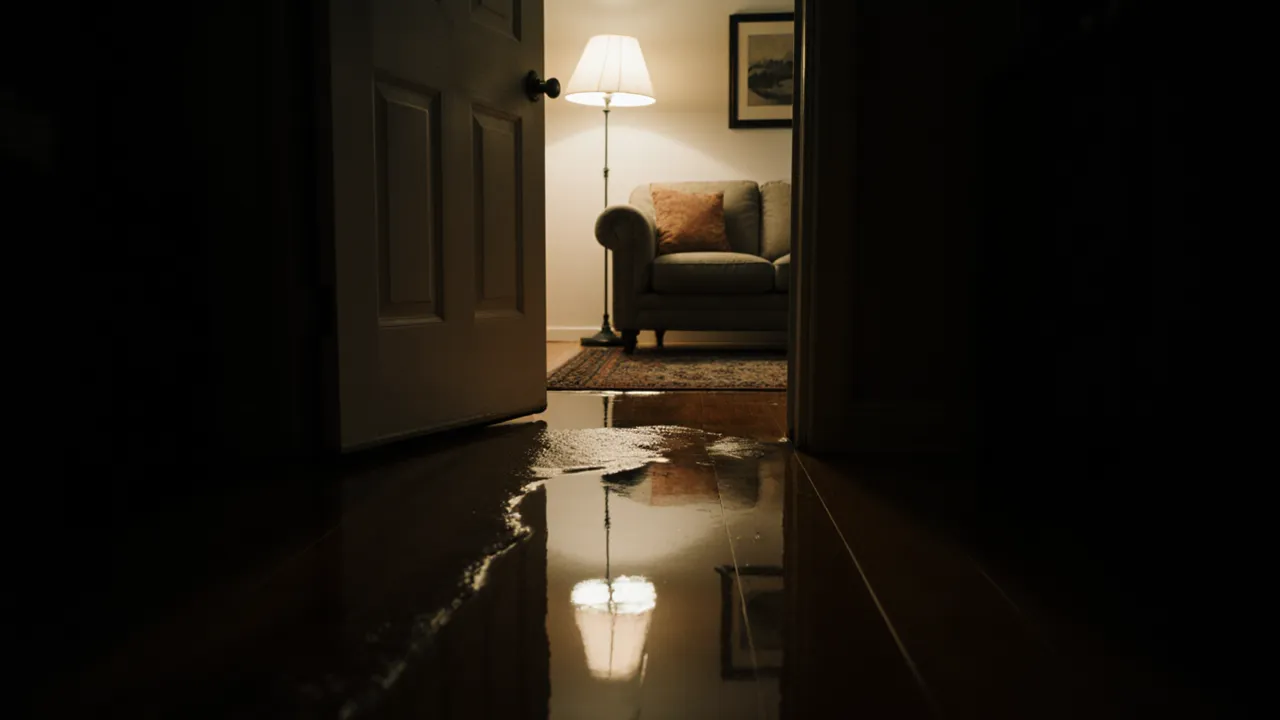
When water enters your home, the clock starts immediately. The difference between a contained, affordable cleanup and a sprawling, expensive restoration usually comes down to how quickly extraction and drying begin. This is why round-the-clock emergency response exists, and why “we will be there in the morning” is rarely good enough.
The Water-Damage Timeline
Within minutes, water spreads across floors and saturates carpet, furniture, and belongings. Within the first few hours, drywall swells, finishes warp, and water wicks up into wall cavities. Within 24 to 48 hours, mold begins to colonize wet porous materials, and metal fixtures corrode. After 72 hours, the situation moves into the most hazardous and costly category, with structural warping and potential health risks. Every stage you prevent by responding fast saves materials, money, and stress.
What Round-the-Clock Response Actually Looks Like
A genuine 24/7 operation means a live dispatcher answers at 3 a.m., a crew is staged to roll within the hour, and the truck arrives with extraction equipment, moisture meters, air movers, and dehumidifiers ready to deploy. Speed matters everywhere, but it is especially decisive in humid climates where mold moves fast, such as Little Rock and Tacoma, and in cities with aging housing stock like Long Beach and Bakersfield, where slow leaks and slab issues compound quickly. Our 24-hour water damage response and emergency water extraction are built around getting equipment running on day one.
What You Can Do Before the Crew Arrives
Stop the source if you safely can, cut power to wet areas, move valuables to a dry space, and photograph everything. Do not wait for an insurance adjuster to begin mitigation; most policies actually require you to take reasonable steps to prevent further damage, and our crews document the loss thoroughly and bill carriers directly. For the repair and rebuild that follows, our water damage restoration team carries the project through to completion.
The Hidden Damage You Cannot See
The most expensive water damage is the damage no one sees on day one. Water migrates into wall cavities, under flooring, behind cabinets, and into insulation, where it can sit for weeks without an obvious sign. By the time a homeowner notices a musty smell, a bubbling paint line, or a soft spot in the floor, mold has often established itself and the structure has begun to degrade. This is why professional crews rely on moisture meters and thermal cameras rather than just looking and touching. They map the true footprint of the water and dry to a measured target, because a surface that feels dry can still hold enough moisture to grow mold inside the wall.
Delayed discovery also changes the water category. Clean water from a supply line, left to sit and contact contaminants, degrades over time into gray and eventually black water, which carries health risks and requires more aggressive remediation. Acting in the first hours keeps the water in its least hazardous, least expensive category.
What a Documented Drying Process Involves
A professional response is methodical, not improvised. Crews first stop the source and extract standing water, then they remove materials that cannot be saved, such as soaked carpet pad or swollen particleboard. Next they position air movers to create airflow across wet surfaces and dehumidifiers to pull the released moisture out of the air, and they take daily readings to confirm the structure is trending toward dry. They document everything, the moisture maps, the equipment placement, and the daily logs, because that documentation is exactly what an insurance adjuster needs to approve the claim quickly. A crew that simply drops a few fans and leaves has skipped the part of the job that actually protects your home and your claim.
How Insurance Rewards a Fast, Documented Response
Many homeowners assume that waiting for the insurance adjuster protects their claim. In reality, the opposite is usually true. Standard policies include a duty to mitigate, meaning you are expected to take reasonable steps to prevent further damage as soon as you safely can. Damage that worsens because you waited, such as mold that grew while the room sat wet for three days, can actually be denied as preventable. Acting fast, with photos taken first and a professional crew documenting the loss, strengthens your claim rather than weakening it.
Need help right now?
Live dispatcher 24/7. IICRC-certified crews. Direct insurance billing.
Call (888) 502-0998A professional restoration company speaks the adjuster’s language. The moisture maps, daily drying logs, equipment records, and itemized scope they produce are exactly the evidence carriers want before approving payment, and crews that bill insurance directly spare you from fronting the cost. Speed and documentation work together: the faster a certified crew arrives, the smaller the loss, the cleaner the paper trail, and the faster and more fully your claim is paid. The few hours after a discovery are not just about saving your floors; they are about protecting your financial recovery too.
Frequently Asked Questions
How fast should I respond to water damage?
Immediately. Extraction and drying should begin within the first few hours. Mold can start within 24 to 48 hours, so same-day professional response is the best protection for your home and your wallet.
Should I wait for my insurance adjuster before cleanup?
No. Most policies require you to take reasonable steps to prevent further damage. Document everything with photos first, then begin mitigation. A reputable crew documents the loss and works directly with your carrier.
Is emergency water damage service really available 24/7?
Yes. A true emergency operation has a live dispatcher around the clock and crews staged to respond within the hour, because water damage does not wait for business hours.
What does the crew do first when they arrive?
They locate and stop the source, extract standing water, measure moisture in floors and walls, remove unsalvageable saturated materials, and set commercial drying equipment to a documented target.
Does fast response lower the cost?
Almost always. Early extraction saves materials that would otherwise be removed, prevents mold remediation, and avoids structural repairs, all of which dramatically reduce the total claim.
Water damage cannot wait. Call our 24/7 line at (888) 502-0998 for immediate dispatch.
Leave a Reply