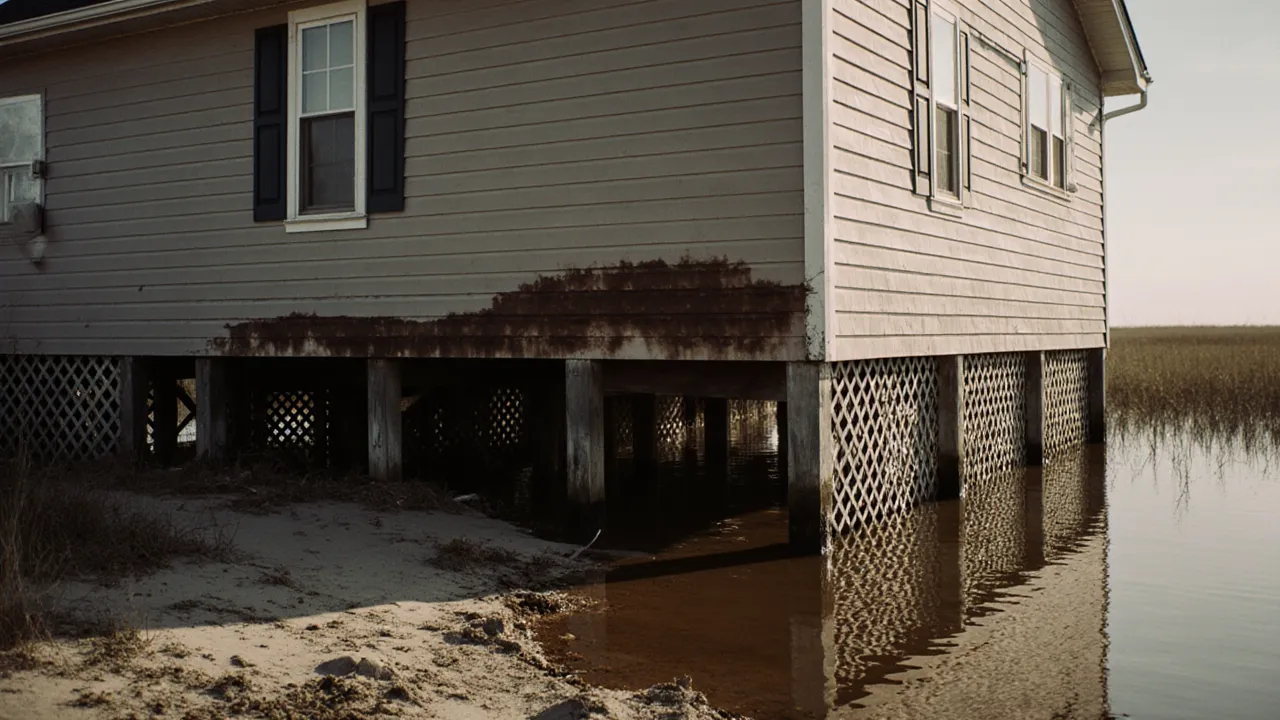
Coastal homeowners face a category of water damage that inland homes rarely see: storm surge, tidal and king-tide flooding, and the relentless humidity that turns any moisture into mold within a day or two. If you live near the Gulf or Atlantic coast, understanding how hurricane water damage works, and how it is covered, can save you from the worst surprises.
Wind, Rain, and Surge Are Different Losses
This distinction is the single most important thing a coastal homeowner can understand. Wind-driven rain that enters through a storm-damaged roof or window is generally covered by your homeowners policy. Storm surge and rising floodwater, however, are excluded and require separate flood insurance through the NFIP or a private flood policy. After a major storm, the cause of each area of damage has to be documented precisely, because the wrong classification can mean the difference between a paid and a denied claim. We handle this documentation carefully in coastal cities like Corpus Christi, Savannah, Charleston, and Fort Lauderdale.
Why Coastal Water Damage Is So Aggressive
Saltwater is corrosive and conductive, contaminated floodwater carries bacteria and debris, and the subtropical humidity along the coast means materials almost never dry on their own. Mold can take hold within 24 to 48 hours, and in many coastal homes it begins even faster. That is why coastal restoration emphasizes rapid extraction, aggressive dehumidification, and careful decisions about which porous materials can be salvaged versus removed under IICRC protocols.
The Restoration Sequence After a Storm
Once it is safe to return, crews tarp roof damage to stop further intrusion, extract standing water, remove contaminated and unsalvageable materials, apply antimicrobial treatment, and run commercial drying and dehumidification until the structure reaches a documented moisture target. Our same-day flood cleanup and emergency water extraction services prioritize the coast during storm season, and our mold remediation team addresses the growth that humid conditions inevitably accelerate.
Preparing Before the Storm Arrives
The work that saves coastal homes happens before the storm, not after. Start with insurance: confirm you carry both a homeowners policy and a separate flood policy, and remember that NFIP flood coverage typically has a thirty-day waiting period, so buying it the week a storm is named does not help. Photograph your home and belongings now so you have a documented baseline for any future claim. Physically, reinforce the roof and install hurricane shutters or impact windows, elevate HVAC equipment, electrical panels, and valuables in surge-prone homes, and clear gutters and drains so the inevitable rain has somewhere to go. Keep a stock of tarps and plywood on hand, because the ability to cover roof damage immediately after the wind dies down is often what stops a manageable leak from becoming a gutted ceiling.
Know your evacuation zone and your route, and never return to a flooded home until authorities confirm it is safe, particularly because floodwater hides electrical hazards and contamination. Personal safety always comes before property.
After the Water Recedes: A Homeowner Checklist
Once it is safe to return, work methodically. Document every room with photos and video before you move or discard anything, because your claim depends on it. Cut power to any flooded areas at the breaker before entering. Tarp roof and window damage to stop further water intrusion. Remove standing water and start ventilation if you can do so safely, but resist the urge to simply rip out drywall and flooring before a professional has assessed the water category and the moisture footprint, since premature demolition can complicate both the restoration and the claim. Most importantly, call a certified crew as early as possible. After a widespread storm, the entire region competes for the same limited restoration capacity, and homeowners who call first are dried out first while later callers wait days for equipment.
Protecting Belongings and Important Documents
Structures can be dried and rebuilt, but irreplaceable belongings often cannot, which is why a little preparation pays off enormously when a coastal storm threatens. Keep passports, insurance policies, property deeds, birth certificates, and medical records in a waterproof, portable container, and store digital copies in the cloud so they survive even if the originals do not. Photograph the contents of each room and keep that inventory off-site or online; it dramatically speeds up the contents portion of an insurance claim and helps you remember what was lost.
Need help right now?
Live dispatcher 24/7. IICRC-certified crews. Direct insurance billing.
Call (888) 502-0998When a storm is forecast, move valuables, electronics, and sentimental items to the highest floor and away from windows. After the water recedes, photographs, documents, and textiles that did get wet are sometimes salvageable if treated quickly, and specialized contents restoration can recover more than people expect, but the window is short in humid coastal air. Tell your restoration crew about high-value or sentimental items early so they can prioritize them. The structural drying and the contents recovery are two parallel races against the same humidity, and starting both quickly is what saves the most.
Frequently Asked Questions
Does homeowners insurance cover hurricane flooding?
No. Storm surge and rising floodwater are excluded and require separate flood insurance. Wind-driven rain through storm damage is typically covered. Documenting the cause of each loss is critical after a coastal storm.
How fast does mold grow after coastal flooding?
In coastal humidity, mold can begin within 24 to 48 hours and often faster. Rapid extraction and commercial dehumidification within the first day is the best defense.
Is saltwater damage worse than freshwater?
Yes. Saltwater is corrosive to metal and electronics and conductive, and storm floodwater is usually contaminated, so more porous materials must be removed under IICRC protocols.
Should I wait for the storm to fully pass before calling?
Call as soon as it is safe. A 24/7 dispatcher can schedule your response, and after widespread storms early callers are prioritized because the whole region runs at capacity.
Can flood-damaged drywall and flooring be saved?
It depends on the water category and how long materials stayed wet. Clean-water materials caught quickly may be dried in place; flood and surge-contaminated porous materials are typically removed.
Storm damage to your coastal home? Call our 24/7 line at (888) 502-0998 for rapid response and direct insurance billing.
Leave a Reply