24/7 Emergency Water Damage Response
Need help now? (888) 502-0998

Category: Water Damage

Water damage causes, hidden damage, leaks, basements, structural drying, emergency water removal and the restoration process.

  • 24/7 Water Damage Response: Why the First Few Hours Decide Everything
    Water Damage

    24/7 Water Damage Response: Why the First Few Hours Decide Everything

    When water enters your home, the clock starts immediately. The difference between a contained, affordable cleanup and a sprawling, expensive restoration usually…

    Read more →

    When water enters your home, the clock starts immediately. The difference between a contained, affordable cleanup and a sprawling, expensive restoration usually comes down to how quickly extraction and drying begin. This is why round-the-clock emergency response exists, and why “we will be there in the morning” is rarely good enough.

    The Water-Damage Timeline

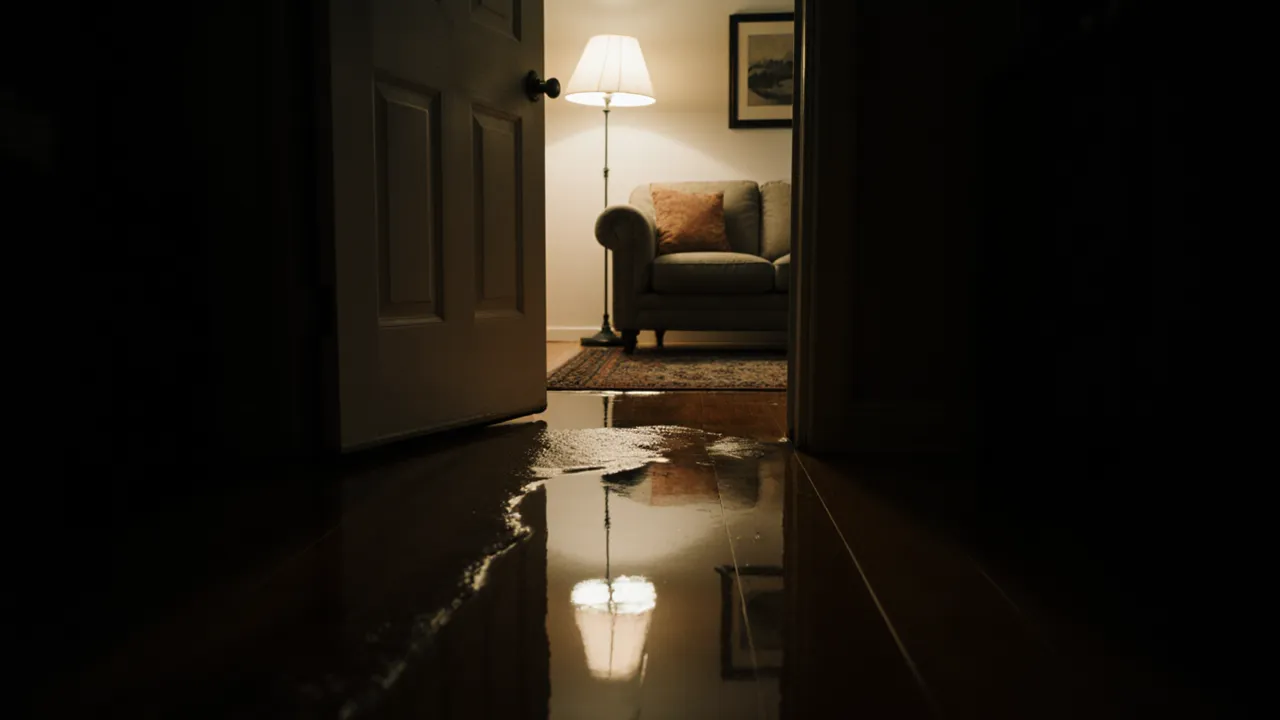
    Within minutes, water spreads across floors and saturates carpet, furniture, and belongings. Within the first few hours, drywall swells, finishes warp, and water wicks up into wall cavities. Within 24 to 48 hours, mold begins to colonize wet porous materials, and metal fixtures corrode. After 72 hours, the situation moves into the most hazardous and costly category, with structural warping and potential health risks. Every stage you prevent by responding fast saves materials, money, and stress.

    What Round-the-Clock Response Actually Looks Like

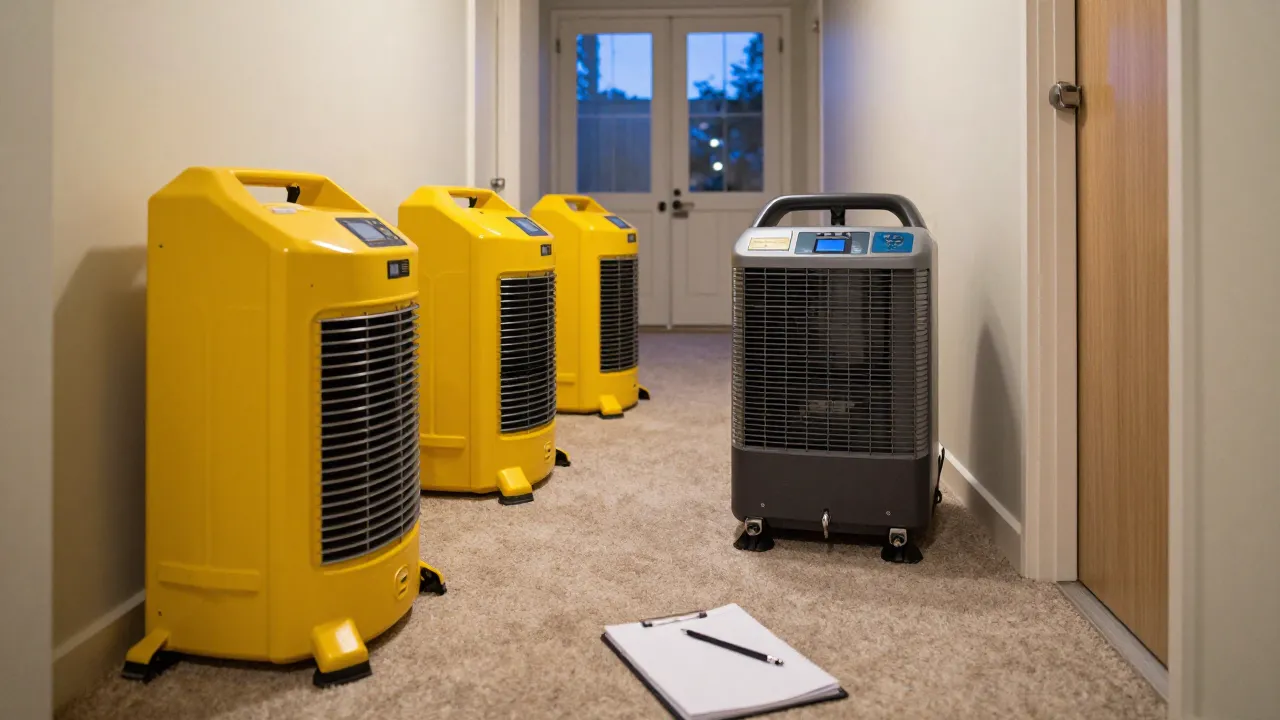
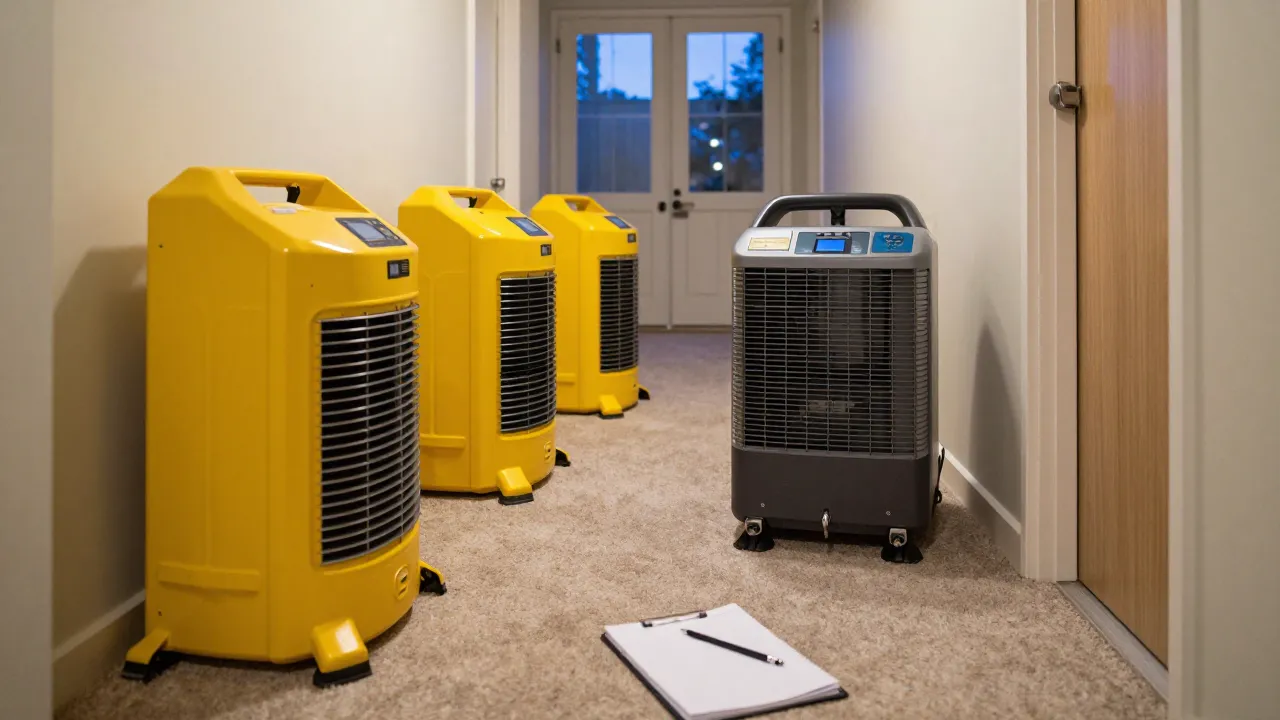
    A genuine 24/7 operation means a live dispatcher answers at 3 a.m., a crew is staged to roll within the hour, and the truck arrives with extraction equipment, moisture meters, air movers, and dehumidifiers ready to deploy. Speed matters everywhere, but it is especially decisive in humid climates where mold moves fast, such as Little Rock and Tacoma, and in cities with aging housing stock like Long Beach and Bakersfield, where slow leaks and slab issues compound quickly. Our 24-hour water damage response and emergency water extraction are built around getting equipment running on day one.

    What You Can Do Before the Crew Arrives

    Stop the source if you safely can, cut power to wet areas, move valuables to a dry space, and photograph everything. Do not wait for an insurance adjuster to begin mitigation; most policies actually require you to take reasonable steps to prevent further damage, and our crews document the loss thoroughly and bill carriers directly. For the repair and rebuild that follows, our water damage restoration team carries the project through to completion.

    The Hidden Damage You Cannot See

    The most expensive water damage is the damage no one sees on day one. Water migrates into wall cavities, under flooring, behind cabinets, and into insulation, where it can sit for weeks without an obvious sign. By the time a homeowner notices a musty smell, a bubbling paint line, or a soft spot in the floor, mold has often established itself and the structure has begun to degrade. This is why professional crews rely on moisture meters and thermal cameras rather than just looking and touching. They map the true footprint of the water and dry to a measured target, because a surface that feels dry can still hold enough moisture to grow mold inside the wall.

    Delayed discovery also changes the water category. Clean water from a supply line, left to sit and contact contaminants, degrades over time into gray and eventually black water, which carries health risks and requires more aggressive remediation. Acting in the first hours keeps the water in its least hazardous, least expensive category.

    What a Documented Drying Process Involves

    A professional response is methodical, not improvised. Crews first stop the source and extract standing water, then they remove materials that cannot be saved, such as soaked carpet pad or swollen particleboard. Next they position air movers to create airflow across wet surfaces and dehumidifiers to pull the released moisture out of the air, and they take daily readings to confirm the structure is trending toward dry. They document everything, the moisture maps, the equipment placement, and the daily logs, because that documentation is exactly what an insurance adjuster needs to approve the claim quickly. A crew that simply drops a few fans and leaves has skipped the part of the job that actually protects your home and your claim.

    How Insurance Rewards a Fast, Documented Response

    Many homeowners assume that waiting for the insurance adjuster protects their claim. In reality, the opposite is usually true. Standard policies include a duty to mitigate, meaning you are expected to take reasonable steps to prevent further damage as soon as you safely can. Damage that worsens because you waited, such as mold that grew while the room sat wet for three days, can actually be denied as preventable. Acting fast, with photos taken first and a professional crew documenting the loss, strengthens your claim rather than weakening it.

    A professional restoration company speaks the adjuster’s language. The moisture maps, daily drying logs, equipment records, and itemized scope they produce are exactly the evidence carriers want before approving payment, and crews that bill insurance directly spare you from fronting the cost. Speed and documentation work together: the faster a certified crew arrives, the smaller the loss, the cleaner the paper trail, and the faster and more fully your claim is paid. The few hours after a discovery are not just about saving your floors; they are about protecting your financial recovery too.

    Frequently Asked Questions

    How fast should I respond to water damage?

    Immediately. Extraction and drying should begin within the first few hours. Mold can start within 24 to 48 hours, so same-day professional response is the best protection for your home and your wallet.

    Should I wait for my insurance adjuster before cleanup?

    No. Most policies require you to take reasonable steps to prevent further damage. Document everything with photos first, then begin mitigation. A reputable crew documents the loss and works directly with your carrier.

    Is emergency water damage service really available 24/7?

    Yes. A true emergency operation has a live dispatcher around the clock and crews staged to respond within the hour, because water damage does not wait for business hours.

    What does the crew do first when they arrive?

    They locate and stop the source, extract standing water, measure moisture in floors and walls, remove unsalvageable saturated materials, and set commercial drying equipment to a documented target.

    Does fast response lower the cost?

    Almost always. Early extraction saves materials that would otherwise be removed, prevents mold remediation, and avoids structural repairs, all of which dramatically reduce the total claim.

    Water damage cannot wait. Call our 24/7 line at (888) 502-0998 for immediate dispatch.
  • Water Damage

    Water Damage Restoration Near Me: How to Choose a Crew Fast

    When you search “water damage restoration near me” at the worst possible moment, you do not have time to compare a dozen…

    Read more →

    Water damage restoration near me

    When you search “water damage restoration near me” at the worst possible moment, you do not have time to compare a dozen companies. But the crew you choose in those first frantic minutes will shape your entire recovery. Here is how to make a fast, sound decision, and what separates a professional restoration company from a fly-by-night operation.

    What Actually Matters in an Emergency

    Three things matter most when you are choosing under pressure: genuine 24/7 availability with a live person who answers, IICRC certification that proves the crew follows recognized water-damage standards, and direct insurance billing so you are not fronting thousands of dollars. Response time is the fourth: ask how fast a crew can actually reach you, not just whether they are “available.” We staff a live dispatcher around the clock and stage crews for rapid response across our service areas, from Reno and El Paso to Norman and Chattanooga.

    Questions to Ask in the First Phone Call

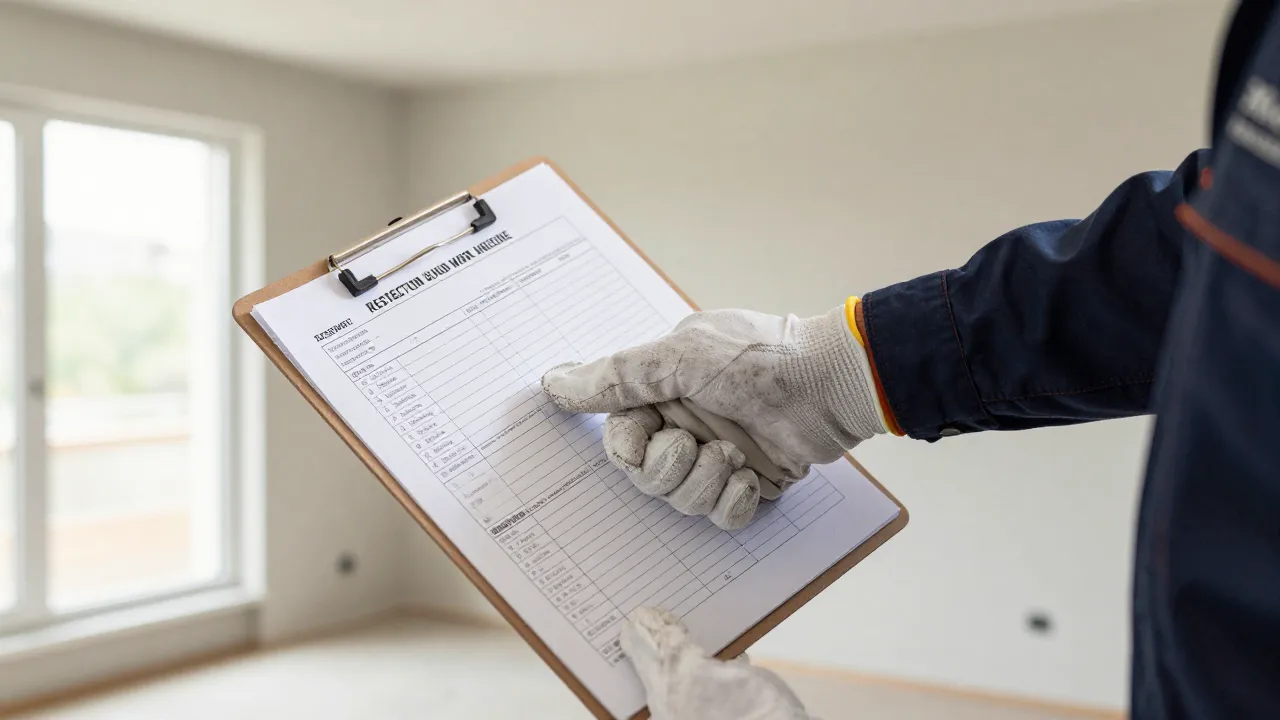
    Ask whether the crew is IICRC certified, whether they bill your insurance directly, how quickly they can arrive, and whether they use moisture meters to dry to a documented target rather than just running a few fans. A professional will answer all four without hesitation and will explain their process. Be wary of any company that pressures you to sign over your insurance claim before they have even inspected the damage. For an active emergency, our emergency water removal and 24-hour water damage response get a certified crew to you fast.

    Local Knowledge Helps

    A crew that knows your region understands the local risks, whether that is freeze-driven burst pipes, river flooding, coastal surge, or chronic humidity, and how your state’s insurance rules treat each. That local context speeds up both the drying strategy and the claim. After mitigation, our full water damage restoration service carries the project through repair and rebuild so you deal with one accountable team start to finish.

    Red Flags to Avoid

    The urgency of a water emergency is exactly what unscrupulous operators exploit, so a few warning signs are worth knowing. Be cautious of anyone who shows up uninvited going door to door after a storm, of crews that demand a large cash payment up front before any work, and of high-pressure tactics that push you to sign an “assignment of benefits” handing them control of your insurance claim before they have even inspected the damage. A legitimate company is happy to provide its IICRC certification number, proof of insurance, and references, and it explains its process and pricing clearly rather than rushing your signature. If a quote is dramatically lower than everyone else’s, ask what is being left out, because the part most often skipped is proper structural drying and moisture monitoring, which is precisely the part that prevents hidden mold and a second, larger claim months later.

    What to Expect During the Restoration Process

    Knowing the sequence helps you evaluate whether a crew is doing the job right. After the initial call, a crew inspects the property and maps the moisture with meters and sometimes thermal imaging. They extract standing water, then remove materials that cannot be salvaged. They set air movers and dehumidifiers and return daily to take readings and adjust equipment, typically over three to five days, until the structure reaches a documented dry standard. Only then does the rebuild phase begin: replacing drywall and flooring, repainting, and restoring the space to its pre-loss condition. Throughout, a professional documents the loss thoroughly and coordinates directly with your insurance carrier. Understanding this arc lets you ask informed questions and recognize when a crew is cutting corners. The goal is not just to dry the visible water but to return your home to a safe, sound, and fully documented state.

    Why Local, Certified Crews Beat National Call Centers

    When you search in a panic, some of the first results are national lead-generation services that simply sell your call to whichever contractor paid for the territory, with no guarantee of certification, response time, or quality. A genuinely local, certified crew is a different proposition. They know the regional risks, whether that is freeze-driven pipe bursts, river flooding, or coastal surge, they understand how your state’s insurance rules treat each type of loss, and they can actually reach your home quickly rather than dispatching from hours away.

    Local accountability matters too. A company with a real address and a reputation in your community has every incentive to do the job right, because its next customer is your neighbor. Ask where the crew is physically based, how long they have served the area, and whether they will be the ones doing the work or subcontracting it out. The combination of IICRC certification, genuine local presence, direct insurance billing, and a track record you can verify is what separates a crew that will restore your home properly from one that will simply collect a check and move on. In an emergency, that difference is everything.

    Frequently Asked Questions

    How do I choose a water damage company quickly?

    Prioritize genuine 24/7 availability with a live answer, IICRC certification, direct insurance billing, and a clear, fast response time. Ask each of these in the first call and choose the crew that answers confidently.

    What does IICRC certification mean?

    The IICRC sets the recognized standards for water damage restoration, including the S500 standard. A certified crew follows documented protocols for water categories, drying, and decontamination rather than improvising.

    Should a company bill my insurance directly?

    Yes, reputable restoration companies bill your carrier directly so you are not paying thousands up front. Be cautious of any firm that pressures you to sign over your claim before inspecting the loss.

    How fast should a crew arrive?

    Look for response within the hour outside of widespread regional events. During major storms or freezes, demand spikes across an area and early callers are prioritized.

    Is the cheapest quote the best choice?

    Not usually. The lowest bid often skips proper structural drying or moisture monitoring, which leads to hidden mold and repeat damage. Documented, standards-based drying protects you far more than a low number.

    Need a certified crew now? Call our 24/7 line at (888) 502-0998 for immediate dispatch and direct insurance billing.

  • How Denver Winters Cause Burst Pipe Water Damage
    Water Damage

    How Denver Winters Cause Burst Pipe Water Damage

    Denver winters and altitude make burst pipes a top water-damage cause. Learn why pipes freeze, how to prevent it, and what to…

    Read more →

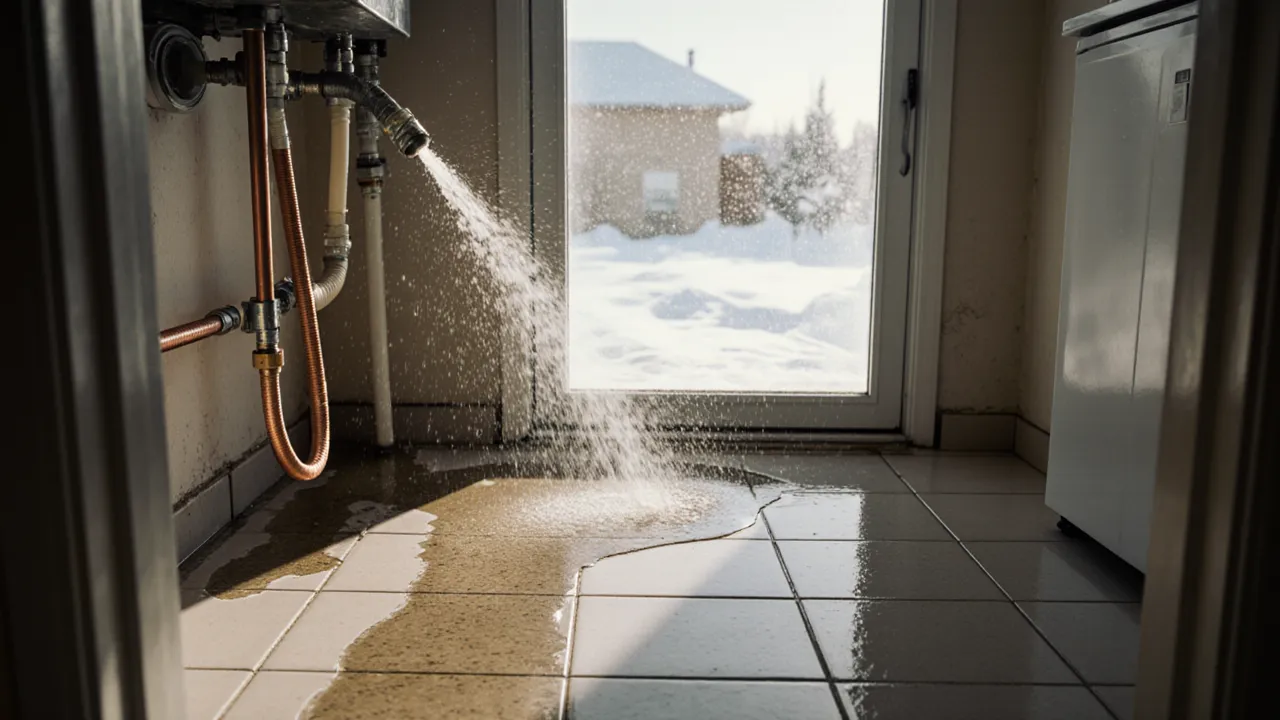
    Every winter, Denver homeowners face one of the most preventable yet most destructive water-damage events: the burst pipe. The combination of mile-high altitude, dramatic temperature swings, and a deep stock of older homes with plumbing in uninsulated walls makes the Front Range a hot spot for freeze-related plumbing failures. A single burst pipe can release hundreds of gallons of water per hour, and when it happens behind a wall or in an empty home, the damage compounds quickly. Understanding why Denver pipes freeze, and how to respond in the first minutes, is the difference between a quick fix and a five-figure restoration.

    Quick answer: Denver pipes burst when water inside them freezes, expands, and ruptures the pipe wall, usually during sub-freezing cold snaps in unheated or poorly insulated areas. If a pipe bursts, shut off your main water valve immediately, open faucets to relieve pressure, cut power to wet areas, document the damage with photos, and call a restoration crew before mold can begin forming within 24 to 72 hours.

    Why Denver Pipes Freeze and Burst

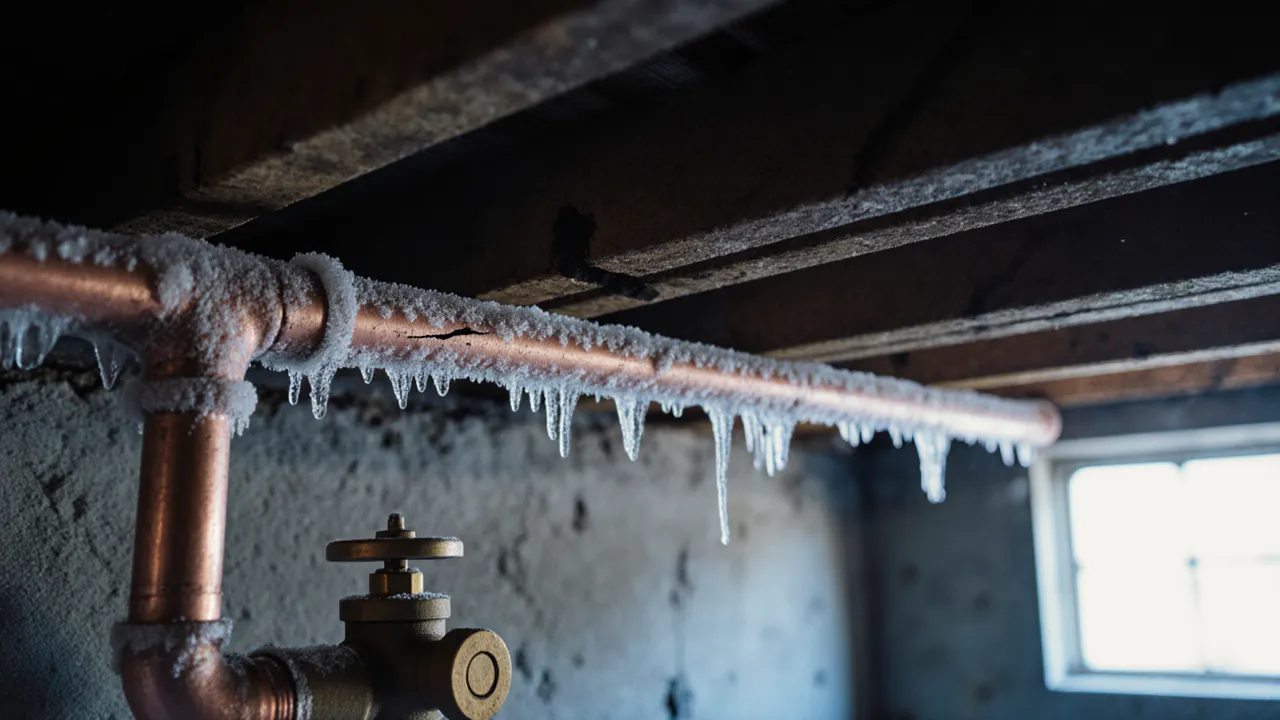
    Water expands by roughly 9 percent when it freezes. Inside a closed pipe, that expansion generates enormous pressure, not at the ice blockage itself, but in the trapped water between the ice and a closed faucet downstream. When that pressure exceeds what the pipe can hold, the pipe ruptures. The break may not leak until the ice thaws and water begins flowing again, which is why many Denver burst-pipe discoveries happen the morning after a cold snap breaks.

    Denver’s specific risk factors stack up fast. The metro sees rapid temperature swings, where a 60-degree afternoon can drop below 10 degrees overnight. Many homes in neighborhoods like Capitol Hill, Wash Park, and Berkeley have original plumbing routed through exterior walls, crawlspaces, and unheated basements. Pipes serving outdoor spigots, garages, and rooms above unheated garages are especially vulnerable. Add a winter vacation with the thermostat turned down, and the conditions for a burst are complete.

    The First Hour: Your Emergency Checklist

    What you do in the first hour determines how bad the loss gets. Follow this sequence:

    • Shut off the main water valve. It is usually in the basement on the wall facing the street. Every adult in the home should know its location before winter.
    • Open faucets to drain remaining water from the lines and relieve pressure.
    • Cut power to affected circuits at the breaker before stepping into standing water.
    • Move belongings up and away from the water.
    • Photograph and video everything before you move or discard anything, for your insurance claim.
    • Call a restoration crew for extraction and structural drying. Do not wait days for an adjuster; mitigation is your responsibility under most policies.

    How Professionals Dry a Burst-Pipe Loss

    Extraction is only the first step. Water wicks into drywall, subfloor, framing, and insulation, where it is invisible to the eye but perfect for mold. Restoration crews use commercial air movers and low-grain refrigerant dehumidifiers running continuously for several days, with daily moisture-meter readings compared against dry control areas to confirm the structure is back to baseline. Skipping or rushing this phase is what produces warped floors, stained ceilings, and hidden mold months later. A professional dry-down also generates the moisture documentation your insurer expects.

    Preventing the Next Burst

    Denver’s burst-pipe season is predictable, which makes it preventable. Insulate pipes in exterior walls, crawlspaces, and garages with foam sleeves. During deep cold, let a faucet drip on the most exposed line; moving water freezes more slowly. Open cabinet doors under sinks on exterior walls so indoor heat reaches the plumbing. Keep your thermostat at 55 degrees or higher even when traveling, and have a neighbor check the home. Disconnect and drain outdoor hoses before the first freeze. These small steps prevent the overwhelming majority of freeze losses we see across the Front Range.

    Insurance and Coverage in Colorado

    Colorado homeowners insurance generally covers sudden burst-pipe damage, provided the home was reasonably heated. Carriers can dispute claims when a property was left unheated during a winter trip or shows long-term, gradual leakage. Documenting the freeze event and your winterization steps strengthens the claim. We bill major carriers directly and document every job to support the right scope of repair.

    People Also Ask

    At what temperature do pipes freeze in Denver?

    Pipes begin risking freeze damage at sustained outdoor temperatures around 20 degrees Fahrenheit, lower for well-insulated interior pipes and higher for exposed pipes in garages, crawlspaces, and exterior walls.

    Does Colorado homeowners insurance cover burst pipes?

    Yes, sudden burst-pipe damage is typically covered when the home was reasonably heated. Claims may be denied for homes left unheated during winter absences or showing gradual, long-term leakage.

    How much water does a burst pipe release?

    A burst pipe at typical household pressure can release 200 to 400 gallons per hour. Overnight, that can mean thousands of gallons through floors and into the level below.

    Should I shut off my water before leaving Denver for winter?

    If leaving for more than a long weekend in cold weather, yes, or at minimum keep heat at 55 degrees and have someone check the home. Draining the lines adds further protection for extended absences.

    How fast does mold grow after a burst pipe?

    Mold can begin forming within 24 to 72 hours on wet porous materials. Fast extraction and professional drying within the first day is the best way to avoid mold becoming part of the loss.

    Get Help Now

    If a pipe has burst in your Denver or Colorado Springs home, time matters. Our IICRC-certified crews dispatch 24/7 across the Front Range, handle extraction and structural drying correctly the first time, and bill your insurance directly.

    Call (888) 502-0998 for 24/7 emergency dispatch. See our Denver water damage restoration and Colorado Springs service pages, or learn about water damage restoration, emergency water removal, and water damage repair.

    {“@context”: “https://schema.org”, “@type”: “FAQPage”, “mainEntity”: [{“@type”: “Question”, “name”: “At what temperature do pipes freeze in Denver?”, “acceptedAnswer”: {“@type”: “Answer”, “text”: “Pipes begin risking freeze damage at sustained outdoor temperatures around 20 degrees Fahrenheit, lower for well-insulated interior pipes and higher for exposed pipes in garages, crawlspaces, and exterior walls.”}}, {“@type”: “Question”, “name”: “Does Colorado homeowners insurance cover burst pipes?”, “acceptedAnswer”: {“@type”: “Answer”, “text”: “Yes, sudden burst-pipe damage is typically covered when the home was reasonably heated. Claims may be denied for homes left unheated during winter absences or showing gradual, long-term leakage.”}}, {“@type”: “Question”, “name”: “How much water does a burst pipe release?”, “acceptedAnswer”: {“@type”: “Answer”, “text”: “A burst pipe at typical household pressure can release 200 to 400 gallons per hour. Overnight, that can mean thousands of gallons through floors and into the level below.”}}, {“@type”: “Question”, “name”: “Should I shut off my water before leaving Denver for winter?”, “acceptedAnswer”: {“@type”: “Answer”, “text”: “If leaving for more than a long weekend in cold weather, yes, or at minimum keep heat at 55 degrees and have someone check the home. Draining the lines adds further protection for extended absences.”}}, {“@type”: “Question”, “name”: “How fast does mold grow after a burst pipe?”, “acceptedAnswer”: {“@type”: “Answer”, “text”: “Mold can begin forming within 24 to 72 hours on wet porous materials. Fast extraction and professional drying within the first day is the best way to avoid mold becoming part of the loss.”}}]}

  • Minneapolis Frozen Pipe Emergency Checklist
    Water Damage

    Minneapolis Frozen Pipe Emergency Checklist

    A step-by-step Minneapolis frozen pipe checklist: how to prevent freezing, thaw safely, and respond to a burst.

    Read more →

    Minneapolis winters are among the harshest in the country, and they drive a predictable water-damage season built around frozen and burst pipes. Polar-vortex cold can push exterior-wall and basement plumbing well below freezing, and the city’s deep stock of older homes means many pipes run through uninsulated spaces. The good news is that frozen-pipe damage is largely preventable, and when a pipe does freeze or burst, a calm, fast response keeps a contained problem from becoming a whole-home loss. This checklist walks through prevention, safe thawing, and emergency response so you are ready before the next deep freeze.

    Quick answer: To prevent frozen pipes in Minneapolis, keep heat at 55 degrees or higher, insulate exposed pipes, let faucets drip during extreme cold, and open cabinet doors on exterior walls. If a pipe bursts, shut off your main water valve immediately, open faucets, cut power to wet areas, document the damage, and call a restoration crew.

    Before the Freeze: Prevention Checklist

    Most frozen-pipe losses are prevented with a few habits:

    • Hold your thermostat at 55 degrees or higher, even when traveling.
    • Insulate pipes in exterior walls, basements, crawlspaces, and garages with foam sleeves.
    • During deep cold, let the most exposed faucet drip; moving water freezes more slowly.
    • Open cabinet doors under sinks on exterior walls so indoor heat reaches the plumbing.
    • Disconnect and drain outdoor hoses and shut off exterior spigots before winter.
    • Know where your main water shutoff is, and make sure every adult in the home does too.
    • If you travel, have a neighbor check the home daily and keep the heat on.

    If a Pipe Freezes (But Has Not Burst)

    A frozen pipe with no leak yet is a chance to prevent the burst. Open the faucet served by the frozen pipe so water can flow as it thaws. Apply gentle heat to the frozen section with a hair dryer, heat lamp, or towels soaked in warm water, working from the faucet end toward the blockage. Never use an open flame or torch. If you cannot locate the frozen section, cannot reach it, or the pipe has already burst, shut off the main water and call a professional.

    If a Pipe Bursts: Emergency Response

    When a pipe bursts, act immediately:

    • Shut off the main water valve to stop the flow.
    • Open faucets to drain the lines and relieve pressure.
    • Cut power to affected circuits at the breaker before entering standing water.
    • Move belongings off wet floors and away from wet walls.
    • Photograph and video everything before cleanup for your insurance claim.
    • Call a restoration crew for extraction and structural drying. Do not wait days for the adjuster.

    Why Fast Drying Prevents Bigger Problems

    A burst pipe can release hundreds of gallons per hour into floors, walls, and the level below. Even after extraction, water hides in drywall, subfloor, framing, and insulation. Restoration crews run commercial air movers and low-grain refrigerant dehumidifiers continuously for several days, taking daily moisture readings against dry control areas. This is what prevents the warped hardwood, stained ceilings, and hidden mold that show up months after a rushed cleanup, and it produces the documentation your insurer expects.

    Insurance and Ice Dams in Minnesota

    Minnesota homeowners insurance generally covers sudden burst-pipe damage when the home was reasonably heated. Claims may be disputed for homes left unheated during winter trips or showing gradual leakage. Ice-dam interior damage is often covered too, though the underlying attic-insulation fix is the homeowner’s responsibility. Sewer and sump backup usually requires a separate endorsement. We document the freeze cause and your winterization steps and bill carriers directly.

    People Also Ask

    How do I keep my pipes from freezing in Minneapolis?

    Keep heat at 55 degrees or higher, insulate exposed pipes, let faucets drip during extreme cold, open cabinet doors on exterior walls, and never leave the home unheated in winter.

    Can I thaw a frozen pipe myself?

    Yes, gently. Open the faucet and apply low heat with a hair dryer or warm towels, working from the faucet toward the blockage. Never use an open flame. If the pipe has burst, shut off the main water and call a professional.

    Does Minnesota insurance cover frozen pipe damage?

    Yes for sudden bursts in a reasonably heated home. Homes left unheated during winter absences or showing gradual leakage risk denial.

    What is the first thing to do when a pipe bursts?

    Shut off the main water valve, then open faucets to relieve pressure, cut power to wet areas, and call for extraction immediately.

    Are ice dams covered by insurance?

    Resulting interior water damage from an ice dam is often covered. Preventing future ice dams by improving attic insulation and ventilation is the homeowner’s responsibility.

    Get Help Now

    If a pipe has frozen or burst in your Minneapolis or Saint Paul home, our IICRC-certified crews dispatch 24/7, extract and dry correctly the first time, and bill your insurance directly.

    Call (888) 502-0998 for 24/7 emergency dispatch. See our Minneapolis water damage restoration and Saint Paul pages, or learn about water damage restoration, emergency water removal, and water damage repair.

    {“@context”: “https://schema.org”, “@type”: “FAQPage”, “mainEntity”: [{“@type”: “Question”, “name”: “How do I keep my pipes from freezing in Minneapolis?”, “acceptedAnswer”: {“@type”: “Answer”, “text”: “Keep heat at 55 degrees or higher, insulate exposed pipes, let faucets drip during extreme cold, open cabinet doors on exterior walls, and never leave the home unheated in winter.”}}, {“@type”: “Question”, “name”: “Can I thaw a frozen pipe myself?”, “acceptedAnswer”: {“@type”: “Answer”, “text”: “Yes, gently. Open the faucet and apply low heat with a hair dryer or warm towels, working from the faucet toward the blockage. Never use an open flame. If the pipe has burst, shut off the main water and call a professional.”}}, {“@type”: “Question”, “name”: “Does Minnesota insurance cover frozen pipe damage?”, “acceptedAnswer”: {“@type”: “Answer”, “text”: “Yes for sudden bursts in a reasonably heated home. Homes left unheated during winter absences or showing gradual leakage risk denial.”}}, {“@type”: “Question”, “name”: “What is the first thing to do when a pipe bursts?”, “acceptedAnswer”: {“@type”: “Answer”, “text”: “Shut off the main water valve, then open faucets to relieve pressure, cut power to wet areas, and call for extraction immediately.”}}, {“@type”: “Question”, “name”: “Are ice dams covered by insurance?”, “acceptedAnswer”: {“@type”: “Answer”, “text”: “Resulting interior water damage from an ice dam is often covered. Preventing future ice dams by improving attic insulation and ventilation is the homeowner’s responsibility.”}}]}

  • Water Damage Restoration vs. DIY: When to Call a Professional
    Water Damage

    Water Damage Restoration vs. DIY: When to Call a Professional

    When water damage strikes, a natural first instinct is to grab towels and a shop-vac and handle it yourself. For very small,…

    Read more →

    When water damage strikes, a natural first instinct is to grab towels and a shop-vac and handle it yourself. For very small, clean-water spills, that can be the right call. But many water events look manageable on the surface while hiding damage that only specialized equipment can detect and resolve. Knowing where the line falls saves homeowners thousands of dollars in secondary damage and mold remediation.

    When DIY Is Reasonable

    You can usually handle a water event yourself when all of these are true: the water is clean (from a supply line, not sewage or flooding), the affected area is small (a single room or less), the water is caught within the first few hours, and it has not soaked into walls, subfloors, or cabinetry. A burst supply line under a sink caught quickly, or an overflowing bathtub mopped up immediately, often falls into this category. Extract the water, run fans and a dehumidifier, and monitor for any musty smell over the following days.

    When to Call a Professional

    Call a restoration company immediately when any of these apply:

    • The water is contaminated. Sewage backups, flooding, and water that has sat for more than 48 hours are Category 2 or 3 and require professional protocols and protective equipment.
    • Water has reached walls, ceilings, or subfloors. Moisture wicks into porous materials and migrates through cavities where household tools cannot reach.
    • The affected area is large or spans multiple rooms. Consumer fans and dehumidifiers cannot move enough air or remove enough moisture to dry a large area before mold forms.
    • The water event involves an insurance claim. Professional documentation, moisture logs, and IICRC-standard scope are what carriers expect and pay for.
    • You smell must or see discoloration. These are signs mold may already be forming, which requires containment and remediation.

    What Professionals Have That You Do Not

    The gap between DIY and professional restoration is equipment and expertise. Restoration crews use truck-mounted extractors that remove water far faster than a shop-vac, commercial low-grain refrigerant dehumidifiers that pull 15 to 30 gallons of water from the air per day, calibrated moisture meters and thermal imaging to find hidden moisture, and antimicrobial treatments to prevent mold. Most importantly, they know how to read a structure and dry it correctly so moisture does not get sealed inside walls.

    The Hidden Cost of Waiting

    The most expensive water damage outcomes almost always trace back to a delay. Water that looks dry on the surface continues wicking into materials. The IICRC standard warns mold can begin forming within 72 hours. A job that would have cost a few thousand dollars to dry properly becomes a five-figure mold remediation and reconstruction project. When in doubt, a professional assessment is usually free and always cheaper than guessing wrong.

    Frequently Asked Questions

    Is it cheaper to handle water damage myself?

    For small, clean, quickly-caught spills, yes. For anything involving contaminated water, large areas, or moisture in walls, attempting DIY often costs more in the long run because of secondary damage and mold.

    Does insurance still cover it if I start the cleanup myself?

    Yes. Your policy actually requires you to mitigate further damage. Document everything with photos before and during, and call a professional for anything beyond a minor clean-water spill.

    How do I know if water reached inside my walls?

    You often cannot tell by looking. Professionals use moisture meters and thermal imaging to detect hidden moisture. A musty smell or discoloration days later is a strong sign water penetrated further than it appeared.

    Not Sure How Bad It Is? We Will Tell You

    A professional assessment removes the guesswork and tells you exactly what your home needs.

    Call (888) 502-0998 any hour. Related: water damage restoration, water removal experts, mold remediation.

  • How Professional Water Damage Restoration Works: The 5-Step Process
    Water Damage

    How Professional Water Damage Restoration Works: The 5-Step Process

    When water invades your home, the difference between a two-week recovery and a months-long ordeal comes down to how quickly and correctly…

    Read more →

    When water invades your home, the difference between a two-week recovery and a months-long ordeal comes down to how quickly and correctly the restoration process is executed. Professional water damage restoration follows a proven, IICRC-standard sequence designed to stop damage, dry the structure, and return your home to its pre-loss condition. Here is exactly what that process looks like.

    Step 1: Emergency Contact and Inspection

    Restoration begins the moment you call. A reputable company answers 24/7 because water damage worsens by the hour. On arrival, a technician inspects the affected area, identifies the water source, and classifies the water under the IICRC S500 standard: Category 1 (clean water from a supply line), Category 2 (greywater from appliances), or Category 3 (blackwater from sewage or flooding). This classification determines the entire scope of work and what materials can be saved.

    Step 2: Water Removal and Extraction

    Standing water is removed first, using truck-mounted or portable extractors that pull 200 to 400 gallons per hour. The faster water is extracted, the less it migrates into walls, subfloors, and structural cavities. Carpet and pad saturated with Category 2 or 3 water are typically removed and discarded at this stage, since porous materials cannot be safely restored once contaminated.

    Step 3: Drying and Dehumidification

    Once standing water is gone, the structure still holds moisture you cannot see. Commercial air movers and low-grain refrigerant dehumidifiers run continuously for several days to pull residual moisture out of drywall, framing, and flooring. Technicians take daily moisture readings with calibrated meters, comparing affected materials to dry control areas elsewhere in the home. Drying is only declared complete when the numbers match.

    Step 4: Cleaning and Sanitizing

    Water damage often leaves behind contaminants, odors, and the conditions for mold growth. Restoration crews clean and sanitize all affected surfaces and salvageable belongings using antimicrobial treatments. For Category 2 and 3 losses, this step is critical and includes negative-air containment to prevent cross-contamination of clean areas.

    Step 5: Restoration and Repairs

    The final step returns your home to normal. This can range from minor repairs like replacing drywall and baseboards to major reconstruction of entire rooms. Reputable companies document every stage for your insurance file, which streamlines your claim and helps maximize covered costs.

    Why Speed Matters

    The IICRC industry standard warns that mold colonies can begin forming within 72 hours of water exposure on porous materials. In humid climates, that window is even shorter. Every hour counts, which is why professional crews prioritize rapid response and immediate mitigation over waiting for an insurance adjuster.

    Frequently Asked Questions

    How long does water damage restoration take?

    A typical clean-water job runs 3 to 5 days for drying, plus reconstruction time. Category 3 events with sewage or flooding can run 10 to 21 days for drying alone, with reconstruction adding 2 to 6 weeks.

    Will my insurance cover water damage restoration?

    Sudden and accidental water discharge (a burst pipe or appliance failure) is typically covered. Flooding from rising water requires separate flood insurance. We document the source of loss carefully and bill major carriers directly.

    Can I stay in my home during restoration?

    For Category 1 events in non-affected rooms, usually yes. Category 3 events with extensive contamination or mold often require temporary relocation, which most policies cover under Additional Living Expense.

    Get Professional Restoration Started Now

    If you have water damage, the first hours are the most important. Our IICRC-certified crews dispatch 24/7 and bill insurance directly.

    Call (888) 502-0998 for emergency response. Related services: water damage restoration, water removal, mold remediation.

  • What to Do in the First 24 Hours After Water Damage
    Water Damage

    What to Do in the First 24 Hours After Water Damage

    The first 24 hours after a water loss is the difference between a mitigation job and a structural rebuild. Here is exactly…

    Read more →

    The first 24 hours after a water loss is the difference between a mitigation job and a structural rebuild. Mold growth starts inside 24–48 hours. Drywall and subfloor begin permanent damage within 8–12 hours of saturation. Your insurance carrier expects documented action from the moment you notice the damage.

    Here is the action list we walk customers through when they call our dispatcher, in priority order.

    Step 1 — Stop the source (0–15 minutes)

    If a supply line is the cause, shut off the main water valve to the building. It is usually in the basement, garage, utility closet, or near the water meter. For a fixture failure (toilet, sink, washer hose), close the local angle stop under the fixture. For roof leaks during active rain there is no shutoff — move to step 2 immediately.

    If the loss involves sewage or storm water, do not enter standing water until you confirm the electrical panel is off. Sewage-contaminated water is Category 3 and carries serious health risks.

    Step 2 — Document everything (15–45 minutes)

    Take photos of every affected room from multiple angles before you move anything. Photograph water lines on walls, soaked materials, damaged contents, and the source of the leak if visible. Your adjuster will require this documentation. Photos taken after cleanup are worth a fraction of photos taken at peak damage.

    Note the time water started entering, the suspected source, and any safety hazards. If sewage or contaminated water is involved, mark which rooms it reached — that drives the scope-of-work documentation later.

    Step 3 — Call for dispatch (45–60 minutes)

    Call (888) 502-0998 and give the dispatcher: your address, the loss type (clean water from supply line, gray water from washer, black water from sewage, storm/flood), affected rooms, and any safety concerns (active leak, electrical risk, sewage). A crew is dispatched immediately — typical arrival is 30–75 minutes depending on city. LA, Houston, and Miami all have inside-the-loop response under an hour.

    Step 4 — Notify your insurance carrier (1–3 hours)

    Open the claim with your insurance carrier as soon as it is safe to do so. You can call us first — mitigation is time-critical and most carriers expect the homeowner to mitigate before they arrive on site. We bill the carrier directly using Xactimate-compatible documentation, but you still need to open the claim under your name.

    Have your policy number, the loss type, and the rough time the damage started. If sewage or flooding is involved, ask whether you have the relevant endorsement; a separate flood insurance policy is required for rising-water losses.

    Step 5 — Begin safe self-mitigation (1–6 hours)

    While waiting for crews, you can safely: lift area rugs and small furniture off wet flooring; place aluminum foil or plastic under furniture legs to prevent staining; open windows if humidity is lower outside; turn off the HVAC system if water reached supply or return registers (running it spreads moisture and contaminants).

    Do not: turn on ceiling fans or HVAC over a Cat 2 or 3 loss; vacuum standing water with a household vacuum; lift wet drywall without containment; enter standing water with shoes you plan to keep wearing.

    Step 6 — What happens when crews arrive (4–8 hours)

    The dispatched water damage restoration crew arrives with truck-mounted extractors, moisture meters, and IICRC S500 documentation tools. They will: scope the loss with moisture readings, photograph everything, set up containment if Cat 2 or 3, extract standing water with truck-mounted equipment, remove unsalvageable materials per S500 categories, and set initial air movers and dehumidifiers. This is the most time-critical phase — every hour matters before mold growth begins.

    What you should NOT do

    Do not wait for insurance approval to start mitigation. Carriers expect homeowners to mitigate; failing to mitigate can reduce or void coverage. Do not throw away damaged materials before documentation. Do not run dehumidifiers in a Cat 2 or 3 zone without containment — you spread contaminants. Do not delay the call because you think it is small. Hidden water behind walls or under floors is often worse than what is visible.

    FAQ

    How fast does mold grow after water damage?

    Mold can begin growing on saturated organic materials (drywall paper, wood, cardboard, fabric) within 24–48 hours of the initial wetting. That is why drying must begin in the first 24 hours.

    Should I turn off electricity?

    If water reached outlets, the electrical panel, or you can see water near energized fixtures, yes — shut off power at the main breaker before entering the room. If the loss is contained to a small area away from electrical, leave power on.

    Will my insurance cover this?

    Sudden-and-accidental water damage from a burst pipe, appliance failure, or storm-damaged roof is usually covered. Rising-water flooding from a river, creek, or storm surge is excluded under standard homeowners and requires a separate flood policy. Long-term seepage from poor maintenance is typically excluded.

    How quickly can a crew arrive?

    Typical dispatch is 30–75 minutes in most metro areas. Outer suburbs and rural addresses can be 60–90 minutes. We pre-stage crews when major storms are forecast.

    Call (888) 502-0998 24/7 for emergency dispatch.

☎ Call (888) 502-0998 — 24/7