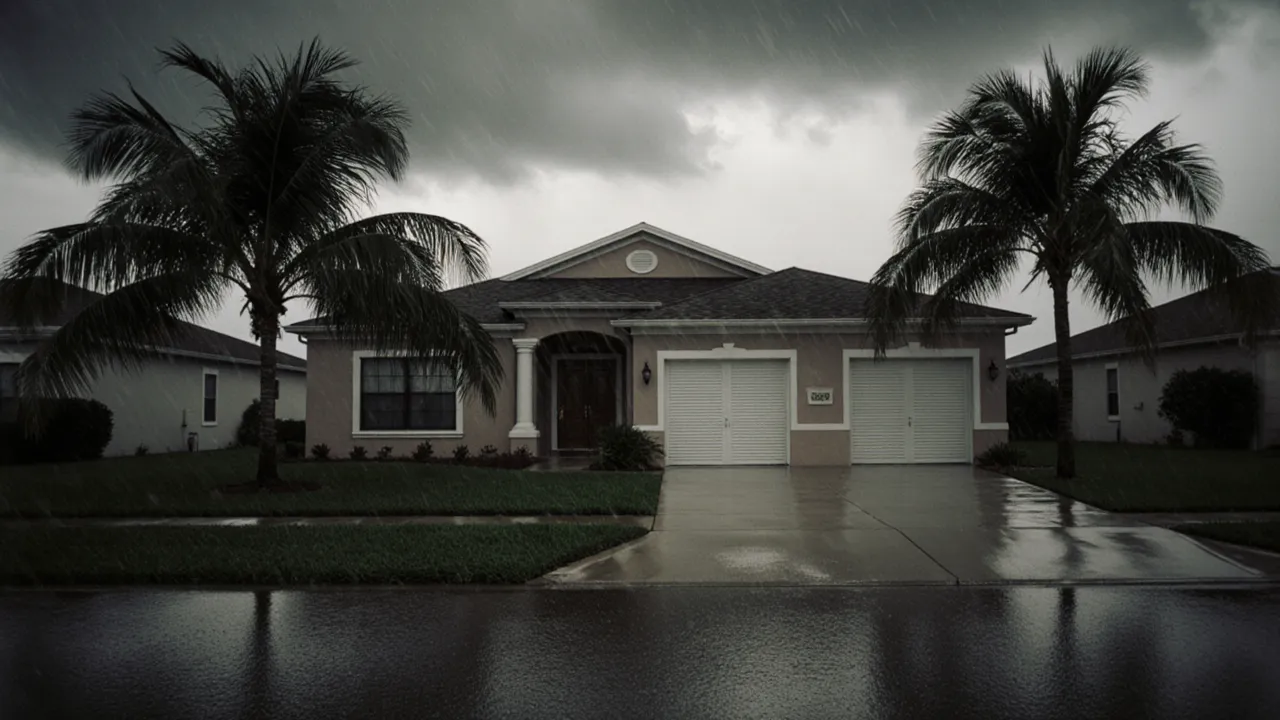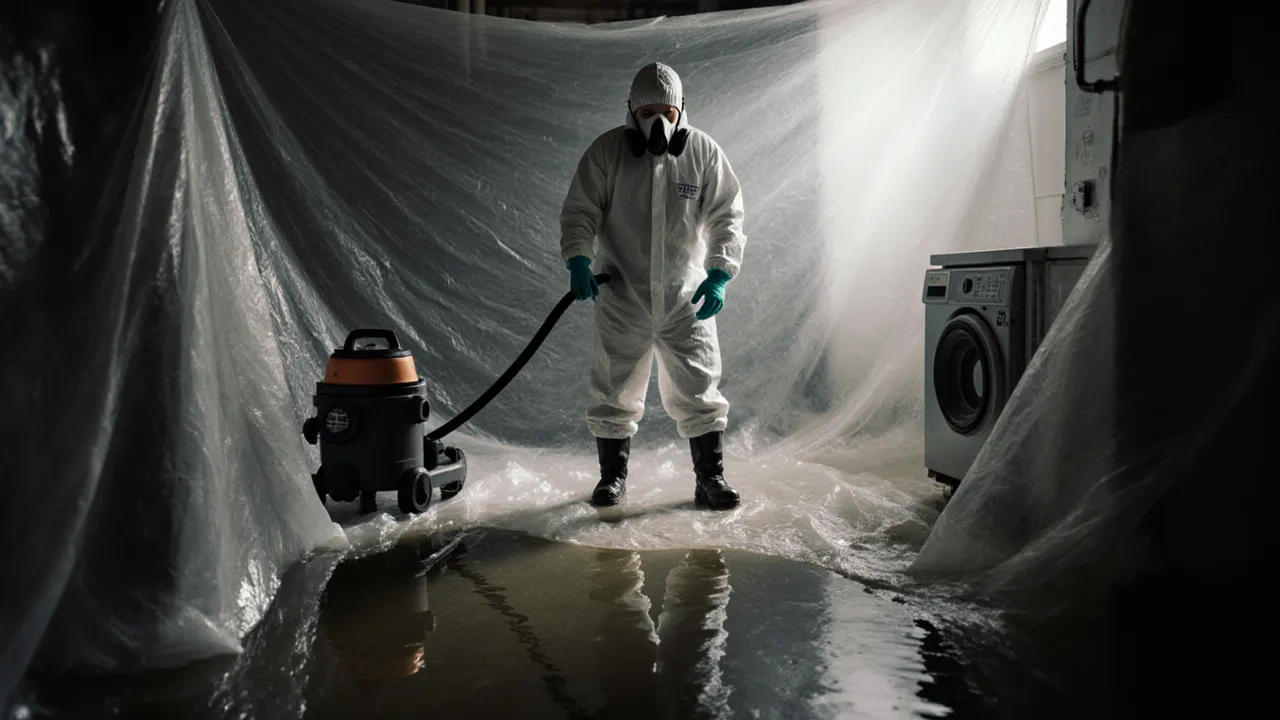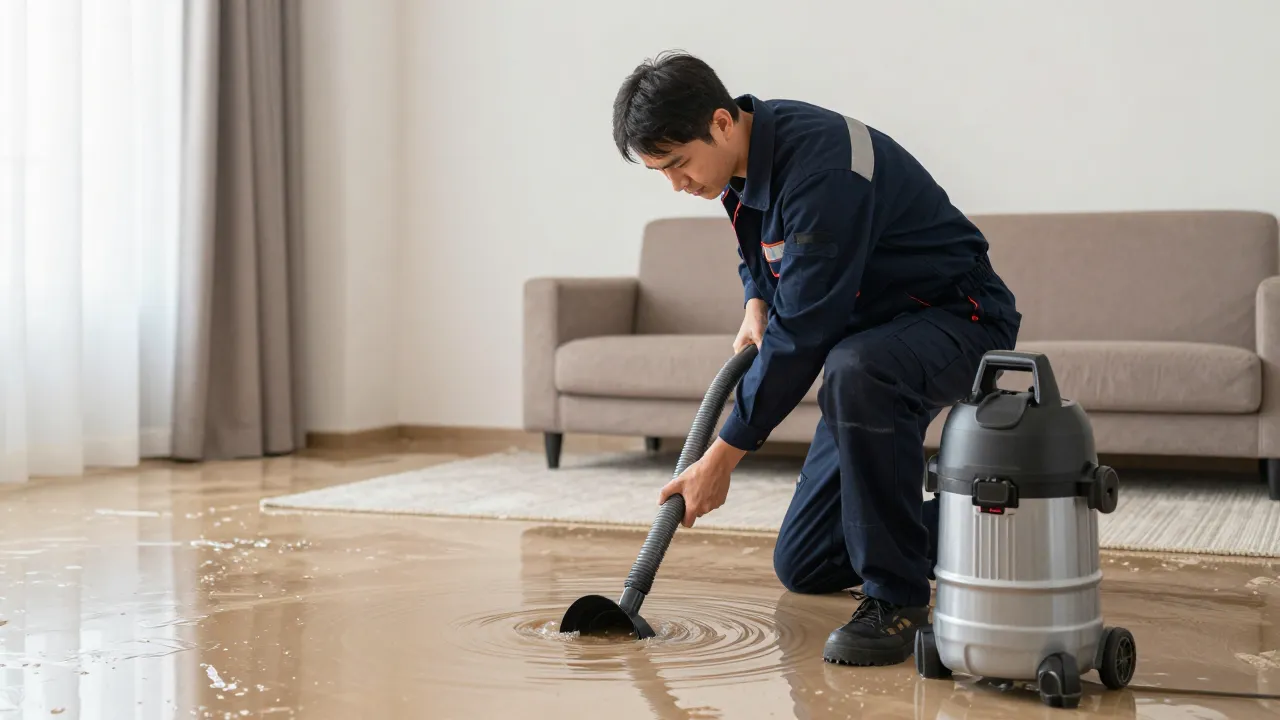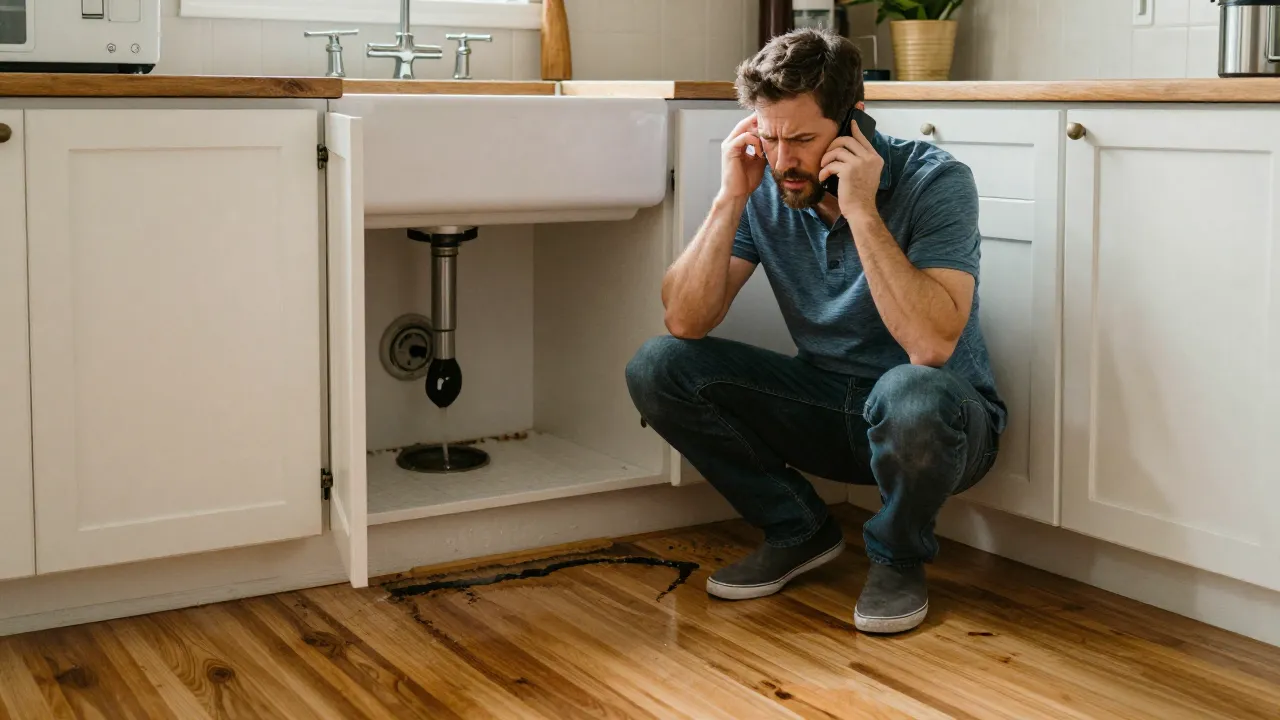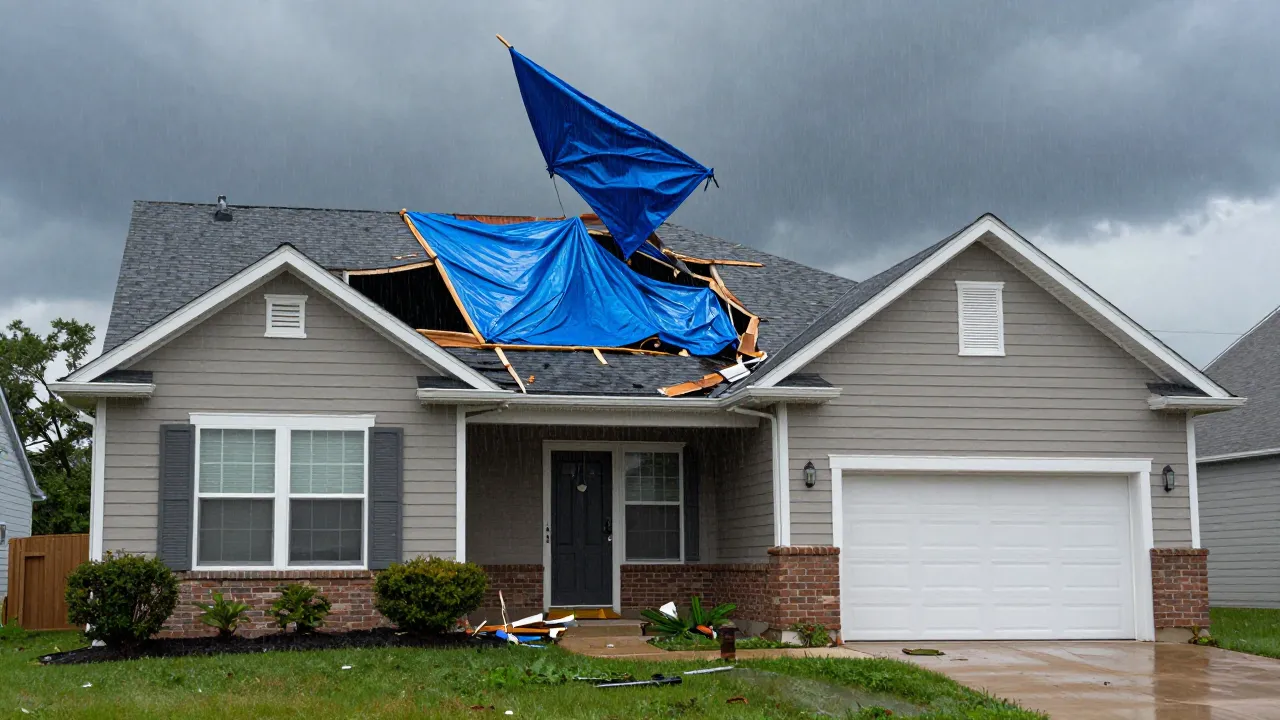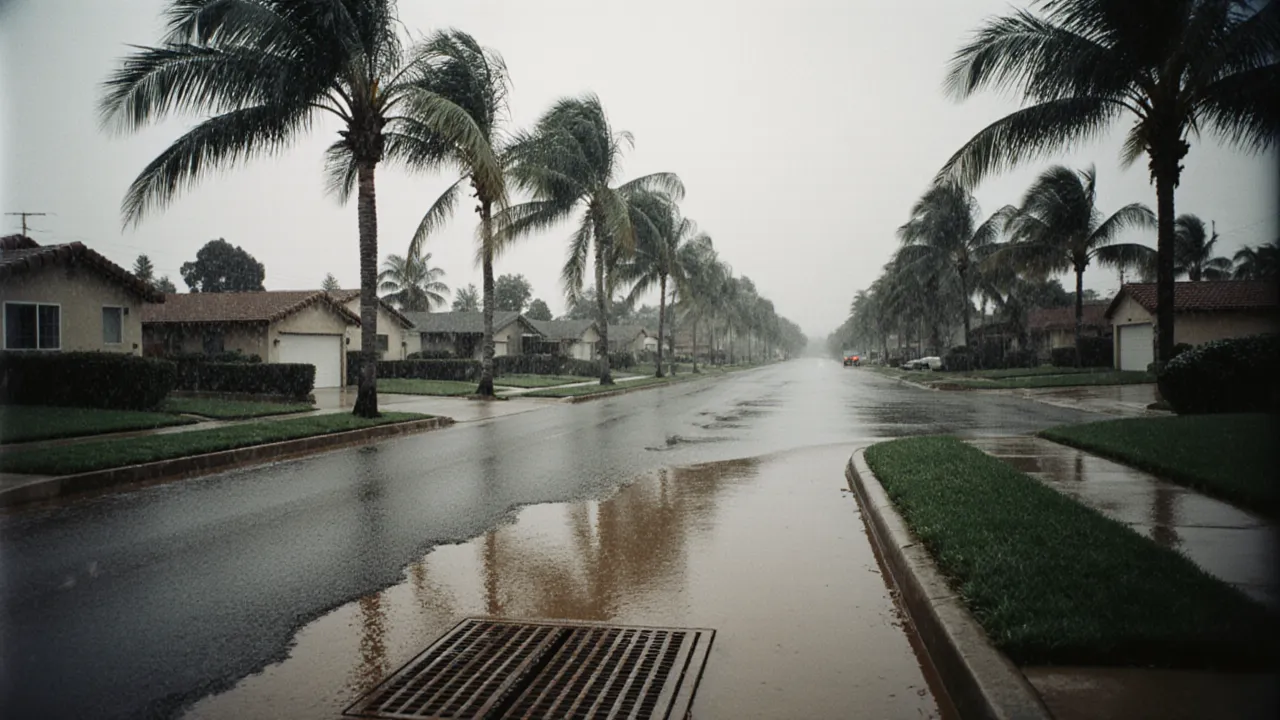
For most of the last decade, “atmospheric river” has gone from obscure meteorological term to a phrase every California homeowner recognizes. These long, narrow corridors of concentrated water vapor — the strongest of which can carry 7-15 times the water flow of the Mississippi — make landfall on the California coast during winter storms and deliver weeks of rain in days. This post explains what atmospheric rivers actually do to California homes, why the damage pattern differs from typical rainstorm losses, and how restoration adapts to atmospheric-river events specifically.
What an Atmospheric River Actually Looks Like in California
A typical atmospheric river (AR) event delivers:
- 4-8 inches of rain in 24 hours over coastal counties, with up to 15+ inches over multi-day events
- Sustained winds of 30-60 mph with peak gusts to 80+ in the strongest systems
- Snow accumulation of 4-10+ feet in the Sierra Nevada (which then becomes spring snowmelt flooding)
- Mudflow and debris flow potential across recent burn-scar zones
The January 2023 atmospheric-river sequence delivered nine consecutive storms over three weeks. The February 2024 events combined extreme rainfall with hurricane-force winds across Southern California. Each AR event generates thousands of simultaneous water-damage calls across the affected region.
Where California Homes Fail During AR Events
AR-driven water damage clusters around five recurring failure modes:
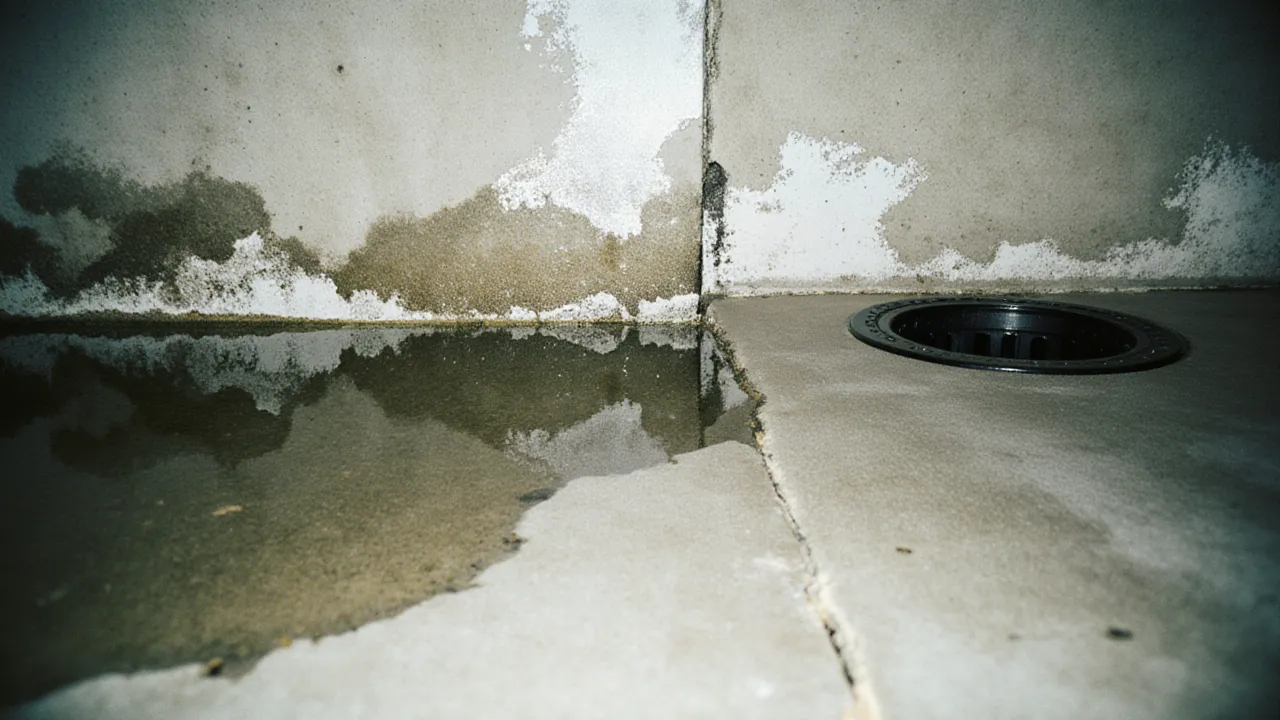
Failure 1: Hillside foundation seepage. Saturated soils on the steep terrain of Los Angeles canyons, San Francisco hills, Marin County, and East Bay hillsides push hydrostatic pressure against foundations. Homes in Bel-Air, the Hollywood Hills, Silver Lake, Mount Washington, the Berkeley hills, and Oakland’s east hills routinely take water through foundation cracks during AR events.
Failure 2: Flat-roof ponding failures. Mid-Wilshire apartments, Koreatown stock, San Francisco Mission and SOMA flat-roofed buildings, and Oakland flat-roof commercial all see ponding-water failures after extended rain. Drains clog with debris, water pools beyond design capacity, and the roof membrane fails.
Failure 3: Atmospheric-river surface flooding. Low-lying neighborhoods (Mission Valley in San Diego, parts of Sacramento’s downtown, San Jose’s Coyote Creek corridor, areas adjacent to the Los Angeles River, Russian River communities) see actual flood-stage water rising during the most extreme events.
Failure 4: Burn-scar mudflow events. Communities downstream of recent fire burn scars (Eaton fire 2025, Palisades 2025, the 2018 Woolsey scar, the 2018 Camp fire scar) face debris-flow risk during AR events. Mud-laden water is Category 3 and requires full antimicrobial protocols plus debris removal.
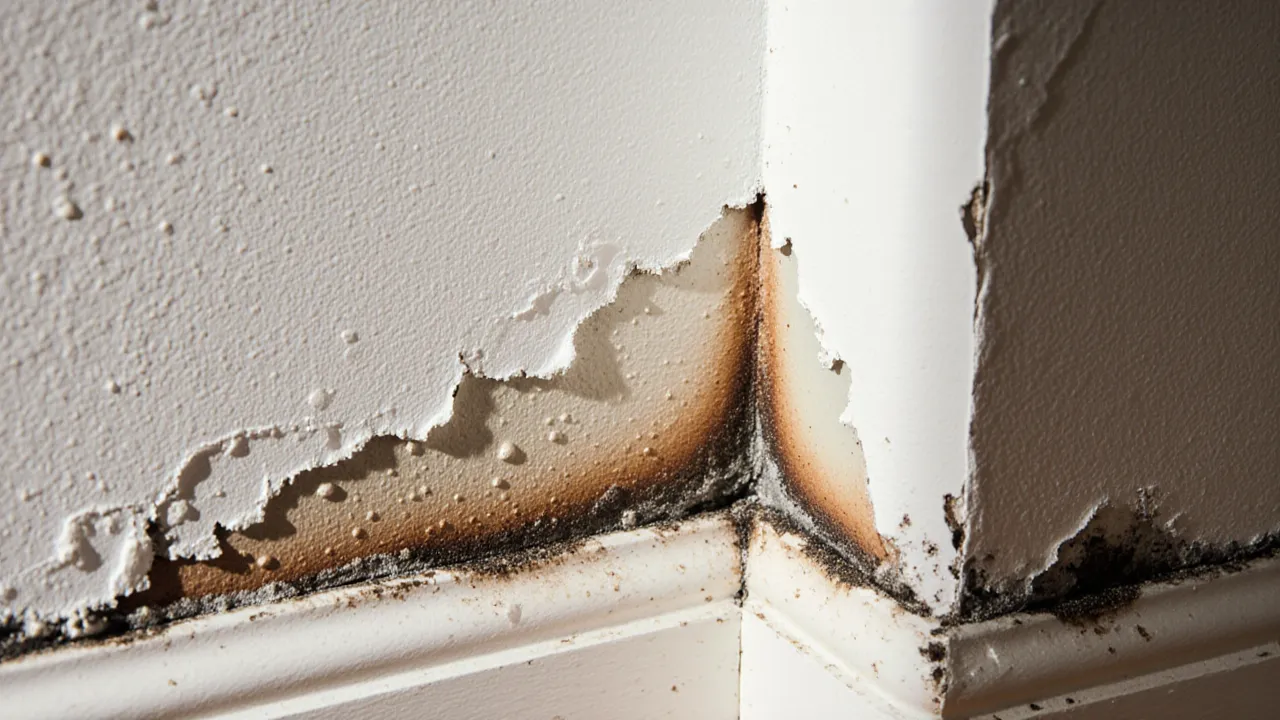
Failure 5: Skylight and roof-penetration leaks. Older California homes have many roof penetrations — original skylights, HVAC roof units, plumbing vents — and the seals degrade in the dry summer months. The first AR of the wet season finds every failed seal.
Why California Insurance Won’t Cover Most AR Damage
California’s homeowners insurance market has unique exclusions that catch homeowners off-guard after AR events:
Standard California homeowners (HO-3) covers: – Sudden plumbing failures (pipe burst, water heater) – Wind-driven rain through storm-damaged roof or windows
Standard California homeowners does NOT cover: – Rising surface water from an AR event flooding ground-level rooms (this is “flood” — requires NFIP) – Atmospheric-river runoff seeping through foundation walls (this is “groundwater” — excluded) – Mudflow from burn-scar runoff (specifically excluded in most policies) – Long-term roof leaks that show evidence of months-long water entry (gradual-damage exclusion)
After the 2023 atmospheric-river sequence, many California homeowners discovered they lacked coverage for what their carriers categorized as “groundwater” or “surface water” intrusion. NFIP flood policies are critical for properties in:
- Mission Valley (San Diego)
- Areas along the LA River
- Russian River communities
- Sacramento delta zones
- Salinas Valley flood-prone areas
Carriers we direct-bill in California include State Farm, Farmers, Allstate, USAA, AAA (CSAA), Mercury, Wawanesa (very common in San Diego County), and the FAIR Plan (for properties dropped by standard carriers due to wildfire risk).
What Restoration Looks Like After California AR Events
The California AR restoration playbook differs from typical residential water-damage work:
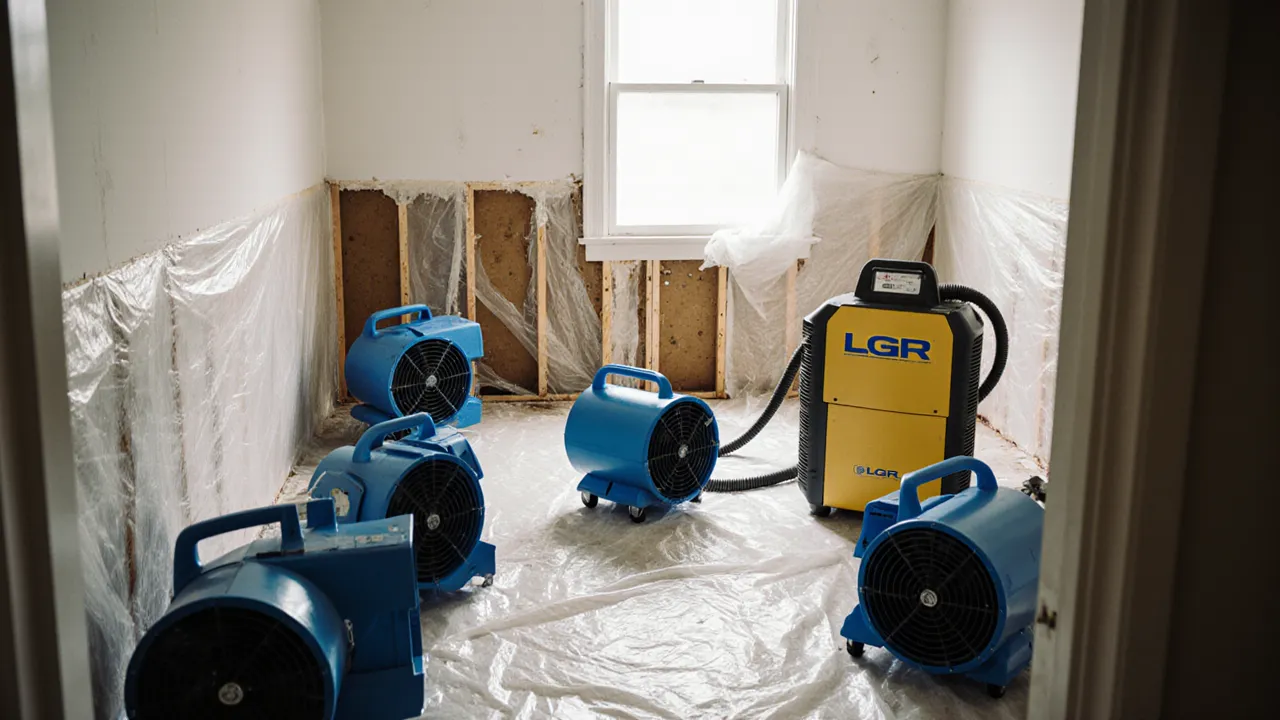
Hour 0-12: Source containment and extraction. Hillside seepage requires diverting runoff away from the foundation before extraction makes sense. Mudflow events require excavation and debris removal before any structural drying.
Day 1-3: Drying setup with elevated dehumidification. Coastal California’s marine-layer humidity (60-80% RH year-round) means we run elevated dehumidification capacity even though raw temperatures are mild.
Days 3-10: Active structural drying. California’s mix of pre-1960 lath-and-plaster (in Hancock Park, San Francisco Victorians, downtown Sacramento) and post-1960 stucco-and-OSB requires technicians to switch drying approaches based on construction era.
Days 10-21: Reconstruction. California’s permitting environment varies dramatically by jurisdiction. Los Angeles County permit timelines can extend 4-8 weeks for any work involving structural repairs.
Frequently Asked Questions
Does California homeowners insurance cover atmospheric-river water damage?
Wind-driven rain through storm-damaged roofs or windows is typically covered. Rising surface water, hillside groundwater seepage, and mudflow are typically NOT covered — those require NFIP flood insurance. The distinction often determines whether a claim is covered or denied.
How fast do California homes need extraction after an atmospheric river?
The IICRC 72-hour mold-growth window applies in California, but coastal humidity compresses it to 48-60 hours in the wet season. Hillside and canyon-edge homes also face structural-stability risk from saturated foundations — getting extraction started within 24 hours is the high-leverage move.
Can I prevent atmospheric-river damage to my California home?
Several preventive moves reduce risk: extend downspouts 6-10 feet from the foundation; clear roof drains and gutters before October 1; seal foundation cracks proactively; install backup sump pumps in basement spaces (where applicable); maintain hurricane-rated window seals on coastal properties; sign a pre-loss agreement with a local IICRC-certified contractor before the wet season starts.
What’s the typical timeline for AR-damage restoration?
7-14 days for structural drying on Cat-1 events, 10-21 days for Cat-2/Cat-3 events. Reconstruction adds 2-6 weeks depending on local permit timelines. Burn-scar mudflow events run longer due to debris removal phases.
Get a California Crew on Your Property
Atmospheric-river events generate thousands of simultaneous calls across the state. Live dispatcher 24/7.
Call (888) 502-0998 — California crews dispatch from LA, San Diego, San Francisco Bay Area, Sacramento, and Central Valley locations. We bill major California carriers directly plus NFIP for flood losses.
Related: Los Angeles water damage restoration, San Diego water damage restoration, flood damage restoration services, emergency water damage restoration.