24/7 Emergency Water Damage Response
Need help now? (888) 502-0998

Tag: Basement Flooding

  • Ice Dams and Spring Snowmelt Water Damage in Idaho Falls
    Storm Damage

    Ice Dams and Spring Snowmelt Water Damage in Idaho Falls

    Ice dams are an attic heat problem, not a weather problem. How they flood Idaho Falls ceilings, and why spring melt reaches…

    Read more →

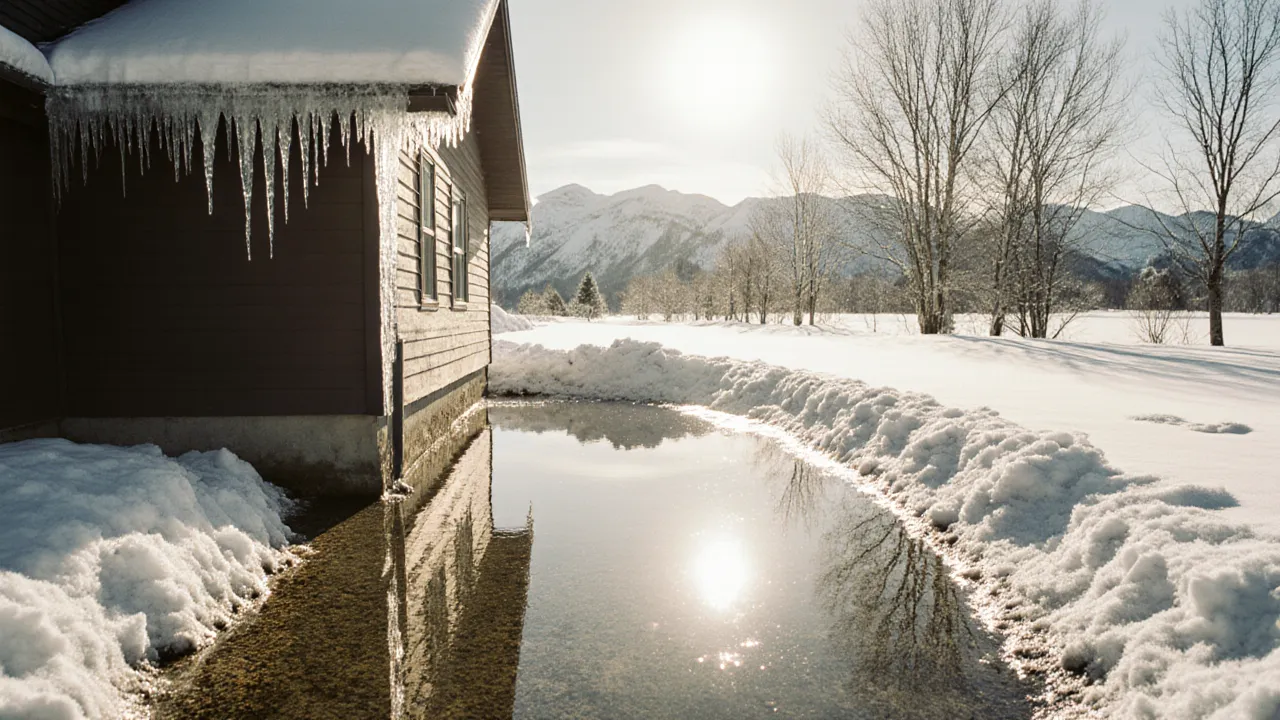
    Spring snowmelt pooling against an Idaho Falls home foundation below a heavy ice dam and icicles

    Idaho Falls sits at about 4,700 feet on the Snake River Plain, which gives it a winter that is genuinely cold, genuinely long, and unusually good at producing two specific kinds of water damage. The first arrives at the roofline in January as an ice dam. The second arrives at the foundation in March, when a season of accumulated snow melts onto ground that is still frozen solid and cannot absorb a drop of it.

    Neither of these is a plumbing failure, which is why homeowners often do not see them coming. This guide covers how both develop in Idaho Falls homes, what to do about them, and what Idaho insurance typically covers.

    Ice Dams: A Heat Problem, Not a Weather Problem

    An ice dam forms because your roof is warm where it should be cold. Heat escaping from the living space into the attic warms the roof deck, snow on that warm section melts from underneath, and the meltwater runs down until it reaches the eave, which overhangs unheated space and stays below freezing. There it refreezes into a ridge of ice. Each cycle adds to the ridge, and eventually meltwater pools behind it.

    Standing water on a roof does not behave like running water. Shingles are designed to shed water flowing downhill, not to hold back a pond. The pooled water works backward under the shingle laps and into the sheathing, and from there into the attic insulation, the ceiling and the wall below. The first visible sign is usually a stain on a bedroom ceiling or water appearing at the top of an exterior wall, often days after the cold snap that caused it.

    The important point is that a big icicle display is a symptom of heat loss, not of a hard winter. Two houses side by side in the same weather will produce very different amounts of ice depending on their attic insulation and air sealing. The real causes are almost always inside:

    • Insufficient attic insulation, so heat reaches the roof deck.
    • Air leaks at can lights, bath fans, the attic hatch, and where interior walls meet the ceiling plane.
    • Bath or dryer vents terminating in the attic instead of outside, adding both heat and moisture.
    • Blocked soffit vents or inadequate ridge ventilation, so the attic cannot stay cold.
    • Complex roof geometry with valleys and dormers that trap snow.

    Spring Snowmelt Over Frozen Ground

    The second failure is a matter of timing. In a normal rain, soil absorbs a share of the water. In an Idaho Falls March, the ground is frozen to depth and absorbs essentially nothing, so a warm stretch, or worse a rain-on-snow event, converts the entire snowpack to runoff at once with nowhere for it to go.

    For most homes this concentrates at the foundation. Snow that has been piled against the house all winter, from shoveling and from roof shedding, melts straight down into the backfill immediately beside the wall. Window wells buried in drifted snow fill and overflow into the basement. Sump pits fill faster than the pump clears them, and if the sump discharge line froze shut in January, the pump runs while the water goes nowhere.

    The Snake River Plain adds its own character. Thin soils over fractured basalt drain unpredictably, and the regional canal system begins delivering water in spring, so shallow groundwater is rising at the same time the snowpack is releasing.

    Your First 60 Minutes

    • Contain active dripping indoors and move furniture, rugs and electronics clear of the area.
    • Cut power to affected circuits at the breaker, especially where water is near ceiling fixtures or can lights.
    • Relieve a bulging ceiling carefully from a safe position, or wait for the crew. A saturated ceiling holds a lot of weight and can fail all at once.
    • Do not get on an icy roof and do not attack an ice dam with an axe, a hammer or a torch. You will damage the roof and risk a fall.
    • Clear snow from window wells and away from the foundation if it is safe to do so, and check whether the sump discharge is frozen.
    • Photograph everything before moving it, including the exterior ice conditions.
    • Call for extraction the same day. Wet attic insulation and a saturated ceiling assembly will not dry on their own in a heated house.

    What Restoration Involves

    Ice dam damage is deceptive because the water enters high and travels. Water in the roof assembly runs along the top plate and down inside wall cavities, and the stain on the ceiling is frequently well away from the point of entry. Crews working to the IICRC S500 standard map the actual moisture footprint with meters and, where useful, thermal imaging, rather than working from the visible stain.

    Saturated attic insulation is removed, because wet blown-in or batt insulation holds water against the framing and no longer insulates. Affected ceiling and wall materials are cut back so cavities can be dried and inspected, and air movers and low-grain refrigerant dehumidifiers run with logged daily readings until documented dry standards are met. Snowmelt intrusion at the basement is handled the same way, with carpet pad removed, drywall cut above the wick line, and drying documented rather than assumed. Our process page covers each phase, and our post on why fast structural drying matters explains the standards.

    Mold is a genuine risk despite the cold, because the interior of the house is warm. Growth can begin on wet organic material within 24 to 48 hours, and attic sheathing and insulation are ideal for it. Where growth is established, mold remediation under IICRC S520 means containment, HEPA filtration and removal of affected porous materials, with the moisture source corrected.

    Prevention: Fix It From the Inside

    • Air seal the attic floor before adding insulation. Stopping warm air leakage does more than any amount of roof work.
    • Bring attic insulation up to current recommended levels for this climate zone.
    • Make sure soffit and ridge ventilation are open and working so the attic stays cold.
    • Vent bath fans and dryers to the exterior, never into the attic.
    • Rake snow off the lower few feet of the roof after heavy storms, from the ground with a roof rake.
    • Keep gutters and downspouts clear in fall so meltwater has somewhere to go.
    • Shovel snow away from the foundation and window wells instead of piling it against the house.
    • Test the sump and add a battery backup before the melt, and keep the discharge line clear of ice.
    • Consider heat cable at chronic problem eaves as a stopgap, understanding it manages the symptom rather than the cause.

    Insurance in Idaho: What Usually Applies

    A standard Idaho homeowners policy generally covers interior water damage caused by an ice dam, because the ice is treated as the sudden cause of loss. Coverage typically applies to the damaged ceilings, walls, insulation and contents. What is usually not covered is the cost of removing the ice itself, and damage to the roof surface may be handled differently depending on the policy and whether wear is a factor. Repeated ice dam claims can also affect renewal, which is another reason to fix the attic rather than to keep claiming.

    Snowmelt is treated differently. Water that melts, flows across the ground and enters at or below grade is rising surface water, which standard homeowners policies exclude and which requires separate NFIP or private flood insurance. Sump pump failure and sewer or drain backup are also excluded unless you carry the specific endorsements, and given how Idaho Falls springs behave, those endorsements are worth confirming before March. Frozen pipe damage is generally covered provided the home was reasonably heated. Our insurance guide covers these distinctions in more detail.

    Commercial Buildings and Multi-Unit Properties

    Ice dams are harder on commercial and multi-family buildings than on houses, and for a specific reason: the roof areas are larger, the interior heat sources are more varied, and the interstitial spaces where warm air collects are more complex. A single warm spot over a stairwell, a mechanical chase or a poorly insulated corridor ceiling can produce a dam that floods several units below it.

    Multi-unit losses also multiply the documentation. Each affected unit is effectively its own scope, with its own contents inventory and its own tenant, and carriers expect that separation. Getting a moisture map and a per-unit record from the start avoids weeks of reconstruction later.

    Two practical steps make the biggest difference for owners and property managers in eastern Idaho. The first is a pre-winter attic and roof assessment focused on air sealing and ventilation rather than on the roof surface, since heat loss is what creates the dam. The second is a written response plan that identifies who has access to each unit after hours, because in a multi-family building the delay between the leak starting and someone entering the affected unit is usually the largest controllable factor in the size of the loss.

    We handle residential, multi-family and commercial losses, with after-hours scheduling and per-unit documentation for carriers.

    Frequently Asked Questions

    Does homeowners insurance cover ice dam damage in Idaho Falls?

    Interior damage from water backing up under shingles because of an ice dam is generally covered as a sudden loss, including ceilings, walls, insulation and contents. The cost of removing the ice is typically not covered, and roof surface damage depends on the policy and the roof condition.

    Are big icicles a sign of a problem?

    Usually yes. Heavy icicles and ice ridges at the eave indicate heat escaping into the attic and melting snow on the roof deck. It is an insulation and air-sealing signal rather than simply a sign of a cold winter, and it predicts interior water damage.

    Can I break the ice dam off myself?

    Do not chip, hammer or torch it. You will damage shingles and flashing, and working on an icy roof is genuinely dangerous. Raking snow off the lower roof from the ground is the safe homeowner action; established dams should be steamed off by a professional.

    Is snowmelt in my basement covered?

    Generally not by a standard homeowners policy, because it is rising surface water. Separate flood insurance covers it, and sump pump failure or water backup endorsements cover the related basement scenarios. None of these is included by default.

    How fast can a crew reach my Idaho Falls home?

    We dispatch 24 hours a day and crews serve Idaho Falls and eastern Idaho. Arrival depends on your location and current demand, which climbs sharply during a regional thaw or a hard freeze when many properties are affected at once.

    Get Help Now in Idaho Falls

    Water damage in Idaho Falls does not pause overnight or wait for business hours. Call our 24/7 dispatch line at (888) 502-0998 and we will get an IICRC-certified crew moving toward your property and coordinate directly with your insurance carrier.

    Related Resources

  • Sinkhole Flooding and Water Damage in Bowling Green, KY
    Storm Damage

    Sinkhole Flooding and Water Damage in Bowling Green, KY

    Bowling Green drains storm water into sinkholes. When the karst backs up basements flood from below, and three separate insurance gaps apply.

    Read more →

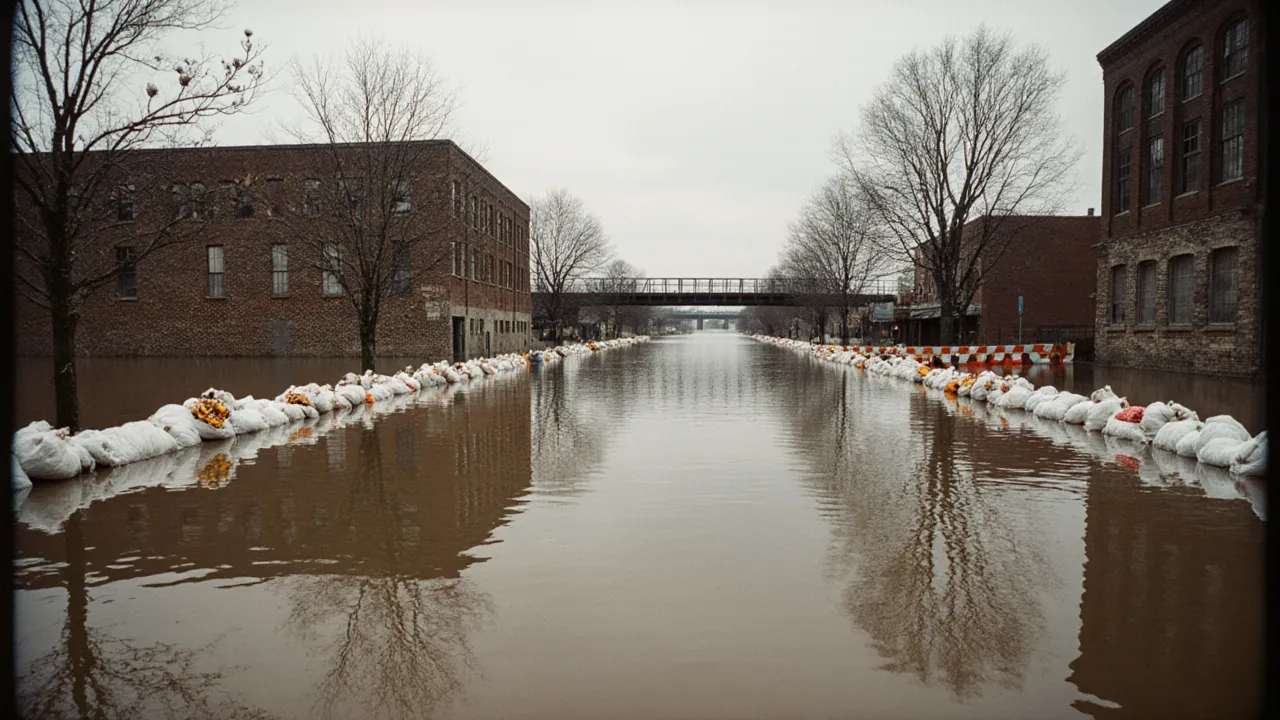
    Storm runoff swirling into a sinkhole depression in a Bowling Green yard beside a ranch house

    Most American cities drain their storm water to a river. Bowling Green largely drains it into the ground. The city sits in one of the most intensely developed karst landscapes in the country, on the northern edge of the Mammoth Cave region, and a great deal of its runoff goes down into sinkholes, swallets and karst windows and travels through cave conduits, including the underground course of the Lost River, before it surfaces again.

    That system works remarkably well until it does not. When the conduits fill faster than they can carry water away, the flow reverses. Sinkholes that normally swallow water start to fill and become ponds, streets pond in the low spots, and basements take on water from beneath. This guide covers how sinkhole flooding damages Bowling Green property, what to do about it, and what insurance will and will not pay for.

    How a City Drained by Sinkholes Floods

    In a normal rain, water enters the karst system through thousands of surface openings and moves underground. The system has a finite capacity, set by the size of the conduits, and that capacity is fixed regardless of how hard it rains.

    When a heavy or prolonged rain exceeds it, the underground conduits surcharge. Because everything is connected, the effects show up in places with no obvious relationship to one another. A sinkhole that has been a dry grassy depression for years fills within an hour and becomes a temporary lake. Water backs up through the same openings it usually drains through. And a house sitting over one of these pathways gets pressurized groundwater arriving under its slab, coming up through the basement floor, the wall-floor joint and floor drains.

    Two consequences matter for homeowners. First, the response time is fast: karst flooding follows the rain by hours, not days. Second, the flooding is highly localized and does not follow surface topography. Your neighbor may be dry while you are pumping, because the two of you sit over different parts of the same underground network. Development compounds this, since every new roof and parking lot sends more water into a system whose underground capacity has not changed.

    The Sinkhole Collapse Question

    Alongside flooding, Warren County property owners face the collapse risk that comes with the same geology. Cover-collapse sinkholes form when soil gradually washes down into a void in the limestone until the remaining soil bridge fails, sometimes suddenly. The region has produced dramatic examples of it.

    Most residential collapses are far less spectacular and are triggered or accelerated by water. A broken water line, a leaking sewer lateral or a downspout dumping concentrated flow in one spot can wash soil into a void for months, which is why what looks like a plumbing problem can become a structural one. Warning signs worth taking seriously include a new or deepening depression in the yard, a section of ground that stays soggy, doors and windows that suddenly stick, fresh stair-step cracking in foundation walls, and a pattern of unexplained water loss on your bill.

    The right response is investigation rather than fill dirt. Filling a depression without understanding what is draining beneath it hides the symptom and can make the eventual failure larger.

    Your First 60 Minutes

    • Cut power to the basement at the breaker before entering standing water.
    • Assume karst floodwater is contaminated. It has moved through soil, agricultural ground and, in older areas, past septic and sewer infrastructure. If a floor drain is backing up at the same time, treat it as Category 3 and keep people and pets out.
    • Photograph and video before moving anything, including the entry point, the high-water line and the condition of the yard.
    • Get contents off the floor and out of the basement.
    • Do not run HVAC if basement ductwork or the return took on water.
    • Call for extraction even if the water is already receding. Karst floods drain themselves, which fools people into thinking the problem resolved. The structure is still saturated and the clock on mold has already started.

    Drying and Mold in a Karst Basement

    Because this flooding recurs with each significant rain, the same materials get wet repeatedly. That repetition is what turns an annual nuisance into an established mold problem behind finished walls, and it is why proper drying after each event matters more here than in a place where flooding is a once-a-decade event.

    A crew working to the IICRC S500 standard extracts standing water, then maps the true moisture footprint with meters rather than by eye, because water that arrives under a slab spreads outward beneath flooring and wicks up into drywall and framing well past the visible line. Carpet pad is removed, drywall is typically cut above the wick line so cavities can be cleaned and dried, and saturated insulation comes out. Contaminated water means containment, HEPA filtration and antimicrobial treatment before drying begins. Air movers and low-grain refrigerant dehumidifiers then run continuously with logged daily readings until documented dry standards are met.

    Mold can begin within 24 to 48 hours. Where growth is established, mold remediation under IICRC S520 means containment, HEPA filtration, removal of affected porous materials, and correcting the moisture source, which in Bowling Green means the drainage system rather than the drywall.

    Prevention That Matches the Geology

    • Install an interior perimeter drain and a properly sized sump with battery backup. This addresses water arriving from below, which exterior wall sealing cannot.
    • Carry water away from the house. Extend downspouts well clear of the foundation, but do not discharge concentrated flow into one spot where it can wash soil into a void.
    • Fix plumbing and sewer leaks promptly. In karst country a leaking line is a soil-removal machine.
    • Keep floor drains clear and consider a backwater valve if you have had backups.
    • Have new or deepening yard depressions investigated rather than filled.
    • Finish basements defensively: inorganic or removable flooring, framing held off the slab, storage on shelving rather than cardboard on the floor.
    • Know your local drainage. Understand which sinkhole your street drains into and how it behaves in a hard rain.

    Insurance in Kentucky: Three Separate Gaps

    Bowling Green sits at the intersection of three coverage gaps, and it is worth checking all of them rather than assuming any one policy handles it.

    Groundwater is not covered by homeowners. Water pushed up through a slab by hydrostatic pressure is excluded from a standard policy, which covers sudden and accidental discharge from inside the home and wind-driven rain through a storm-created opening.

    Surface flooding needs flood insurance. A sinkhole that fills and ponds across a yard is rising surface water and requires separate NFIP or private flood coverage. Because karst flooding is localized rather than riverine, plenty of affected property sits outside mapped high-risk zones, where flood insurance is still available and often inexpensive.

    Earth movement is generally excluded. Standard homeowners policies typically exclude sinkhole collapse and earth movement. Some carriers offer sinkhole or catastrophic ground collapse coverage as an endorsement, and in Warren County it is worth asking your agent about directly rather than discovering the exclusion afterward.

    The two endorsements most likely to actually pay for a Bowling Green basement loss are water and sewer backup and sump pump failure. Our insurance guide and our post on what homeowners insurance covers explain how the cause of loss determines which policy responds.

    Documenting a Karst Loss for Your Claim

    With three separate coverage gaps in play, what you record in the first hour often decides which policy responds and whether it responds at all.

    • Note the timeline precisely. When the rain started, when water appeared, how fast it rose and when it receded. Karst flooding is fast, and a tight timeline supports a sudden event rather than long-term seepage.
    • Photograph the entry point specifically. Water rising through a floor crack, at the wall-floor joint or out of a floor drain reads very differently to an adjuster than water running down a wall.
    • Document the yard as well as the house, including any sinkhole that filled, new depressions and where surface water ponded. This matters for both the flood question and the earth-movement question.
    • Capture the high-water line on the drywall, mechanical equipment and stored contents before anything is moved.
    • Inventory discarded items with photos, approximate age and replacement cost as you remove them.
    • Keep sump service records. Evidence the pump was maintained and working supports a sump failure claim and weakens a neglect argument.
    • Save the drying log, since daily moisture readings are what prove the structure was dried if a mold claim arises later.

    We provide adjuster-grade documentation as standard, including moisture maps and daily readings, and bill carriers directly.

    Frequently Asked Questions

    Why did the sinkhole in my yard fill up with water?

    Because the underground conduits it drains into reached capacity. When a heavy rain delivers more water than the karst system can carry, flow backs up and the sinkhole temporarily becomes a pond instead of a drain. It usually empties within a day or two as the system catches up.

    Does insurance cover sinkhole flooding in Bowling Green?

    Rarely under a standard homeowners policy. Surface ponding needs flood insurance, groundwater coming up through a slab is excluded, and sinkhole collapse falls under earth movement, which is typically excluded unless you add a specific endorsement. Water backup and sump failure endorsements cover the most common basement scenarios.

    Should I fill in a new depression in my yard?

    Not before it is investigated. A new or deepening depression can indicate soil washing into a void beneath, often driven by a leaking water or sewer line. Filling it conceals the process without stopping it, and the eventual failure can be larger.

    Is basement water from karst flooding contaminated?

    Treat it as contaminated. It has traveled through soil and rock in a region with agriculture and older septic systems. If a floor drain is backing up at the same time, it should be handled as Category 3 with containment and protective equipment.

    How fast can a crew reach my Bowling Green home?

    We dispatch 24 hours a day and crews serve Bowling Green and Warren County. Arrival depends on your location and current demand, which rises across the region during a heavy rain event affecting many properties at once.

    Get Help Now in Bowling Green

    Water damage in Bowling Green does not pause overnight or wait for business hours. Call our 24/7 dispatch line at (888) 502-0998 and we will get an IICRC-certified crew moving toward your property and coordinate directly with your insurance carrier.
    Related Resources

  • Mississippi River Flood Cleanup for Davenport Homeowners
    Storm Damage

    Mississippi River Flood Cleanup for Davenport Homeowners

    Why Davenport basements flood a mile from the river, how to use the days before a crest, and the NFIP basement limits…

    Read more →

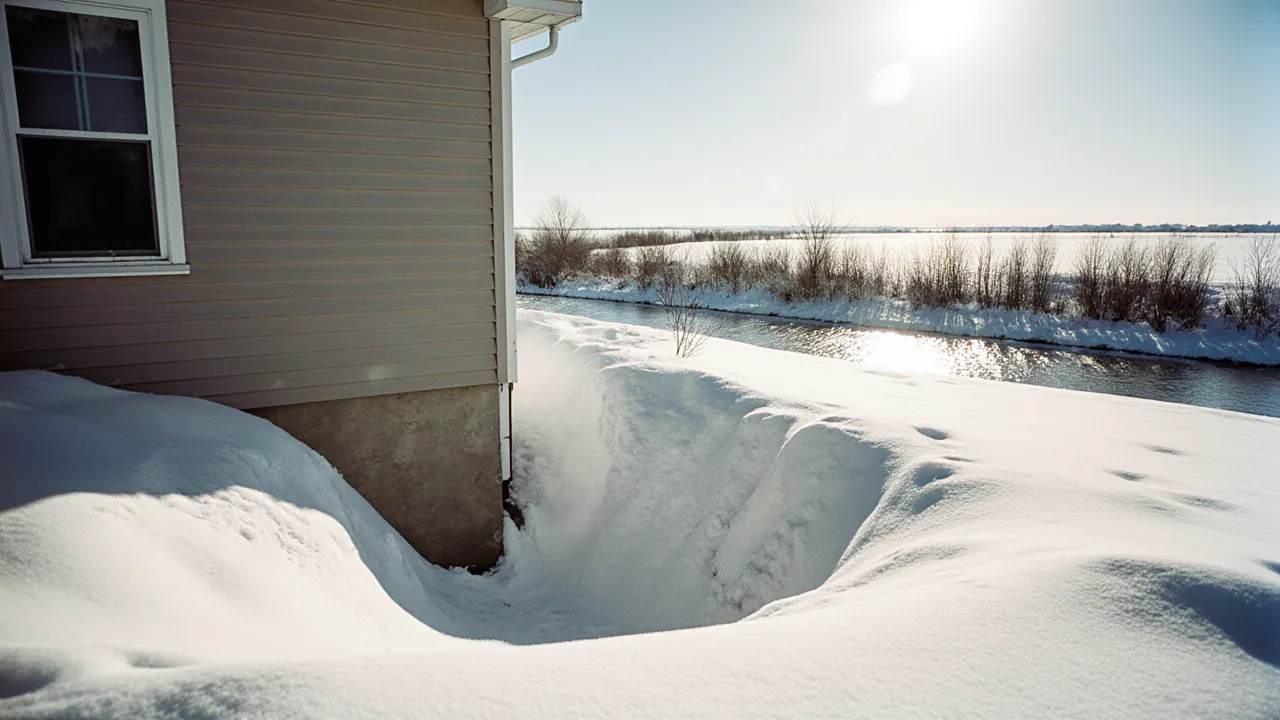
    Mississippi River flood water over a Davenport riverfront street held back by sandbags and flood barriers

    Davenport has a relationship with the Mississippi that most river cities do not. Rather than walling the river off permanently downtown, the city has historically kept its riverfront open and met high water with temporary barriers. That choice preserves one of the best riverfronts on the upper Mississippi and it also means flood response here is an active operation rather than a passive defense, with the outcomes to match.

    But the flooding that reaches most Davenport homes is not the river coming over the bank. It is river water and heavy rain arriving through the sewer system, into basements blocks from the water, and it can happen to properties well outside any mapped flood zone. This guide covers both, and what to do about each.

    Two Different Floods, Two Different Responses

    River flooding is slow. A Mississippi crest is forecast days and sometimes weeks ahead, driven by snowmelt and rain across a drainage basin that reaches far upstream. That warning time is the single biggest advantage Davenport property owners have, and it is routinely underused. It is enough time to move contents, protect utilities, document the property and place barriers.

    Duck Creek and urban flash flooding is fast. Duck Creek runs across the city and responds within hours to a heavy local rain. Properties near the creek corridor and in low-lying pockets can take water quickly with essentially no warning, and this flooding is entirely independent of what the Mississippi is doing.

    The two can also stack. When the river is high, the storm sewer outfalls that normally drain the city are submerged or under back pressure. A heavy rain then has nowhere to go, and water backs up into streets and basements far from the riverbank. This is the mechanism that surprises people most, and it is why a home a mile inland can flood during a river event.

    The Basement Backup Problem

    When river stage rises or a storm overwhelms the system, water can push back through floor drains and sanitary connections into a basement. Two features of Davenport housing make this consequential. The first is that basements here are deep and full, because the frost line runs well past three feet. The second is that much of the housing stock is old, with older lateral connections and, in some areas, combined or interconnected drainage.

    Water arriving this way is Category 3, which means it is treated as contaminated regardless of how clear it looks. That changes the entire scope of work: porous materials that contacted it are removed rather than dried, containment and antimicrobial treatment are required, and personal protective equipment is not optional. Our guide to what Category 3 cleanup actually means covers the standards in detail.

    A backwater valve is the specific fix. Properly installed and maintained, it prevents flow back through the lateral into your basement. It is one of the highest-value investments available to an older Davenport home, and it needs periodic inspection to keep working.

    Use the Warning Time: A River Flood Checklist

    When a crest is forecast for your area, the days before matter more than the days after:

    • Photograph and video the entire property now, inside and out, including finished basement spaces, mechanical equipment and stored contents. Pre-loss documentation is the strongest evidence you can have.
    • Move contents up. Anything on a basement floor should move to a higher level, not to a shelf a foot higher.
    • Protect mechanicals. Where possible, elevate or protect the furnace, water heater and electrical panel, and know how to shut off gas and power safely.
    • Check the sump and add a battery backup. Power failures and flooding arrive together.
    • Confirm your flood policy is in force. NFIP policies generally carry a 30-day waiting period, so coverage bought when the crest is forecast will not respond to that event.
    • Do not plan to shelter in a flooding basement or drive through standing water on a flooded street.

    After the Water Recedes

    • Do not restore power until the electrical system has been evaluated by a qualified professional.
    • Treat everything the water touched as contaminated. River and backup water carries fuel, agricultural runoff, sewage and bacteria.
    • Do not pump a flooded basement out too quickly while the surrounding ground is still saturated. Rapid removal can leave the walls without balancing pressure and cause structural damage. Pumping in stages is the accepted practice.
    • Photograph the high-water line and every damaged item before removal, and keep a written inventory of what is discarded.
    • Discard porous materials that absorbed contaminated water, including carpet and pad, mattresses, upholstered furniture and wet insulation.
    • Call for professional extraction and drying immediately. Flood mud dries into a hard contaminated layer that is far harder to remove later.

    What Professional Flood Restoration Involves

    Flood work is a scope of its own. Crews extract standing water and remove sediment before it sets, then remove contaminated porous materials. Drywall is typically cut well above the water line so the cavity can be cleaned, treated and dried, and wet insulation comes out. Surfaces are cleaned and treated with EPA-registered antimicrobials under containment, and HEPA air scrubbers run during the work.

    Only then does structural drying begin, with air movers and low-grain refrigerant dehumidifiers running continuously and daily moisture readings logged until documented dry standards are met. Deep basements with masonry walls and saturated surrounding soil dry more slowly than a comparable above-grade space, and the drying log is what proves the structure is actually dry rather than merely dry to the touch. Our flood damage restoration page and our post on why fast structural drying matters explain the standards.

    Mold begins on wet organic material within 24 to 48 hours, and after a flood the combination of contamination, humidity and saturated material makes it close to inevitable if drying is delayed. That is the reason to start before the adjuster arrives rather than after.

    Insurance: This Is Where Davenport Owners Get Caught

    A standard Iowa homeowners policy does not cover flood. River flooding, surface water and mud are excluded and require a separate NFIP or private flood policy. Two details cause most of the disappointment here.

    First, NFIP coverage of basements is sharply limited. Building coverage below the lowest floor is generally restricted to structural elements and certain mechanical items such as furnaces, water heaters and electrical panels. Finished basement walls, flooring, and most personal property stored in a basement are generally not covered, no matter how the basement is used. Many owners discover this after the loss.

    Second, sewer and drain backup is a homeowners endorsement, not flood coverage. If river stage or a heavy rain pushes water back through your floor drain, the coverage that responds is water backup on your homeowners policy, and it is not included by default. Given how common this mechanism is in Davenport, it is arguably the most important line item on the policy for an older home away from the riverbank.

    It is also worth knowing that a significant share of flood losses nationally occur outside mapped high-risk zones, and that flood insurance is available whether or not you are in one. Our insurance guide covers the distinctions.

    Renters, Landlords and Small Businesses

    Flood exposure in Davenport is not only a homeowner question, and the coverage gaps differ by role.

    Renters are frequently surprised to learn that a landlord policy covers the building, not their belongings. Contents in a flood require a renter flood policy, which is available through the NFIP and is generally inexpensive. A renter storing furniture, tools or equipment in a basement has essentially no coverage without it.

    Landlords carry the building exposure and the vacancy risk. A unit that floods between tenants can sit wet for days, which turns a drying job into a demolition job. Where a property has flooded before, the practical answers are a backwater valve, a battery backup sump and keeping finished space and stored contents out of the basement entirely.

    Small businesses face the largest gap, because the loss is rarely just the building. Commercial flood policies cover structure and contents but not lost income, and business interruption coverage typically follows the underlying policy exclusions, meaning flood-related downtime is often uncovered. Given the days of warning a river crest provides, a written plan for moving inventory, records and equipment above the expected stage is one of the highest-return preparations a riverfront business can make.

    We handle both residential and commercial losses and provide the documentation carriers expect for each.

    Frequently Asked Questions

    Does homeowners insurance cover Mississippi River flooding in Davenport?

    No. River and surface flooding is excluded from standard homeowners policies and requires separate NFIP or private flood insurance. NFIP policies generally have a 30-day waiting period, so buying coverage once a crest is forecast will not cover that event.

    My house is a mile from the river. Why did my basement flood?

    Almost certainly backup rather than overland flooding. When the river is high the storm sewer outfalls are submerged or under back pressure, so a heavy rain has nowhere to drain and water pushes back through floor drains and laterals into basements well away from the bank.

    Should I pump my flooded basement out right away?

    Not all at once. With the surrounding ground still saturated, removing all the water quickly can leave foundation walls without balancing pressure and cause structural damage. Standard practice is to lower the water in stages over time.

    Can anything in a flooded basement be saved?

    Hard, non-porous items can usually be cleaned and disinfected. Porous materials that absorbed contaminated water, including carpet and pad, upholstered furniture, mattresses and wet insulation, are removed under IICRC protocols rather than dried and reused.

    How fast can a crew reach my Davenport home?

    We dispatch 24 hours a day and crews serve Davenport and the Quad Cities area. Arrival depends on your location and current demand, and during a regional flood demand is extremely high, so calling early in the event matters more than usual.

    Get Help Now in Davenport

    Water damage in Davenport does not pause overnight or wait for business hours. Call our 24/7 dispatch line at (888) 502-0998 and we will get an IICRC-certified crew moving toward your property and coordinate directly with your insurance carrier.
    Related Resources

  • Frozen Pipes and Ice Jams: A Lincoln, Nebraska Winter Guide
    Water Damage

    Frozen Pipes and Ice Jams: A Lincoln, Nebraska Winter Guide

    Where Lincoln pipes actually burst, how ice jams and spring snowmelt flood Nebraska basements, and which of those losses insurance will cover.

    Read more →

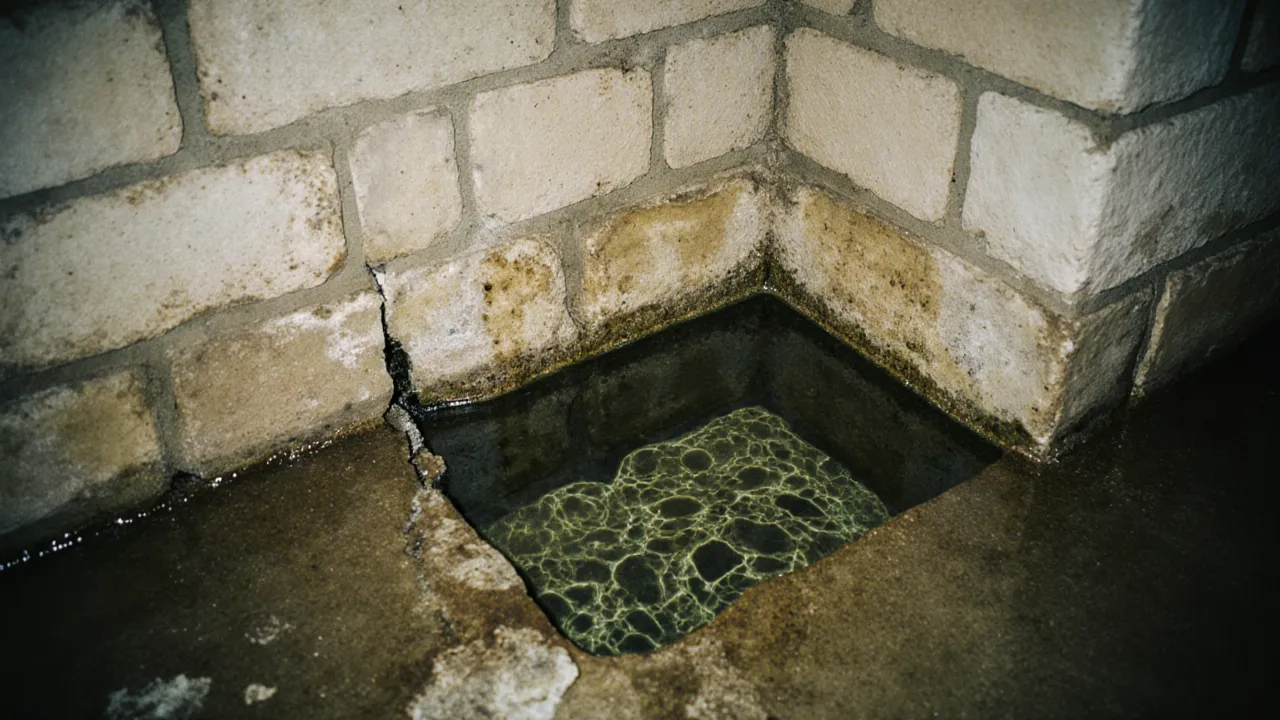
    Deep blizzard snow drifted against a Lincoln home foundation beside an ice-jammed frozen creek

    Nebraska winters produce two very different kinds of water damage, and most Lincoln homeowners are only prepared for one of them. The first is the burst pipe during a hard freeze, which everyone has heard about. The second is what happens two months later, when a heavy snowpack meets a warm rain over still-frozen ground and every drainage path in Lancaster County tries to move water at once.

    This guide covers both: why Lincoln pipes burst and where, how ice jams and snowmelt drive basement flooding, what to do in the first hour of each, and how Nebraska insurance handles the difference.

    Why Lincoln Pipes Freeze and Burst

    A pipe does not burst because ice fills it. It bursts because a plug of ice forms and the water trapped between that plug and a closed faucet has nowhere to go as it continues to freeze and expand. Pressure climbs until the weakest point in the line lets go, and that point is often not where the ice is. The split then leaks quietly until the line thaws, at which point it releases at full pressure, frequently while nobody is home.

    In Lincoln the vulnerable locations are consistent:

    • Exterior wall plumbing, especially kitchen and bath lines run in a north or west wall with thin insulation.
    • Unheated or partially heated basements and utility rooms, and lines running near a foundation vent or a poorly sealed rim joist.
    • Garages and attached utility spaces where a water heater or laundry hookup sits on the cold side of the envelope.
    • Hose bibs and sillcocks where a hose was left connected in fall, holding water at the valve.
    • Crawl spaces and additions built onto older homes without the insulation of the original structure.
    • Vacant or set-back properties. A thermostat turned down to 50 degrees during a January trip is one of the most common single causes of a major loss.

    Wind matters as much as temperature. A twenty below wind chill driving through an unsealed rim joist will freeze a line that survived a calm night at the same air temperature.

    Ice Jams, Snowmelt and Spring Basement Flooding

    Lincoln sits in the Salt Creek drainage, with Antelope Creek, Beal Slough and Deadmans Run running through developed parts of the city. These channels are managed, but they respond quickly to a fast melt. The dangerous combination is specific: a deep snowpack, ground still frozen so it cannot absorb anything, and a warm front with rain on top. Everything runs off, and it runs off all at once.

    Ice jams add a second mechanism. Broken ice moving down a creek can wedge at a bend or a bridge and dam the channel, backing water up over ground that has never flooded. Jams form and release unpredictably, which is why the flooding is often sudden.

    For most homes, though, the spring problem is closer in. Snow piled against the foundation all winter melts straight down into the backfill. A deep Nebraska basement, standard here because of a frost line well past three feet, then faces hydrostatic pressure at exactly the moment the sump pit is filling faster than the pump can clear it. Water arrives at the wall-floor joint, through window wells buried in drifted snow, and up through floor drains.

    Your First 60 Minutes: Burst Pipe

    • Shut off the main water valve immediately, then open a low faucet to relieve line pressure.
    • Cut power to wet areas at the breaker before entering standing water.
    • Do not use an open flame to thaw a pipe. Warm the area gradually with a space heater or hair dryer, working from the faucet back toward the frozen section, and keep the faucet open so melt water can escape.
    • Photograph and video everything before moving anything, including the failure point.
    • Move contents up and out of the affected area.
    • Call for extraction the same hour. Pressurized supply lines release a great deal of water quickly, and it travels down through floors and into wall cavities.

    Your First 60 Minutes: Snowmelt or Backup

    • Cut basement power at the breaker before stepping in.
    • Identify the water. Clear water rising evenly is groundwater; water from a floor drain with an odor is sewer backup and is contaminated.
    • Clear snow away from window wells and the foundation if it is safe to do so, and check that the sump discharge line is not frozen shut.
    • Document before you move anything, including the high-water line on walls and stored items.
    • Do not run HVAC with wet ductwork in the basement.

    How Professional Restoration Works

    Crews working to the IICRC S500 standard stop the source, extract standing water with truck-mounted or portable equipment, then map the real moisture footprint with meters rather than relying on what looks wet. Freeze losses in particular travel: water from a second-floor bathroom line can run down inside a wall and saturate a first-floor ceiling and a basement without ever showing on the wall it passed through.

    Saturated carpet pad and wet insulation are removed, drywall is cut above the wick line so cavities can be dried and inspected, and where the water was contaminated, containment and antimicrobial treatment come first. Air movers and low-grain refrigerant dehumidifiers then run continuously with daily logged readings until documented dry standards are met, typically three to five days. Only then does reconstruction begin. Our process page covers each phase.

    Mold is a real risk even in a Nebraska winter, because a heated house is a warm environment for wet material. Growth can begin within 24 to 48 hours, which is why drying starts before the adjuster visit rather than after it.

    Prevention for a Lincoln Home

    • Disconnect and drain hoses in fall and shut interior valves to sillcocks.
    • Insulate exposed pipes in the basement, crawl space, garage and any exterior wall runs.
    • Seal the rim joist and air leaks near plumbing. Stopping the wind is often more effective than adding pipe insulation.
    • During extreme cold, open cabinet doors under sinks on exterior walls and let a vulnerable faucet drip.
    • Never set the thermostat below 55 degrees when traveling, and have someone check the house.
    • Know where your main shutoff is and confirm the valve actually turns before you need it.
    • Add a battery backup sump pump and test the primary before the spring melt.
    • Shovel snow away from the foundation and window wells rather than piling it against the house.
    • Keep the sump discharge clear of ice and discharging well away from the foundation.

    Insurance in Nebraska: What Usually Applies

    A standard Nebraska homeowners policy generally covers sudden burst-pipe damage, provided the home was reasonably heated and maintained. That qualifier matters here: claims are disputed when a property was left unheated during a winter trip, or when the failure shows evidence of long-term leakage rather than a sudden event. Documenting your winterization steps and the timeline of the freeze strengthens the claim.

    Snowmelt and creek flooding are a different story. Rising surface water, including ice jam flooding, is excluded from standard homeowners policies and requires separate NFIP or private flood insurance. Sewer and sump-pump backup is also generally excluded unless you carry the specific endorsement, and in a city with deep basements and a fast spring melt that endorsement is one of the most practical coverages a Lincoln homeowner can add. Our insurance guide and our post on what homeowners insurance covers go through the distinctions.

    Vacant Homes, Rentals and Winter Travel

    A large share of Lincoln major winter losses happen in houses where nobody was home. The pattern is consistent: the thermostat is set back for a trip, a cold snap arrives with wind, a line in an exterior wall freezes, and the break releases at full pressure when it thaws days later. Nobody hears it, and the water runs until someone opens the door.

    If a property will be empty through a freeze, the reliable protection is not a thermostat setting. Shut off the water at the main and drain the system, or have someone physically check the house every day or two. A smart thermostat with a low-temperature alert and a leak sensor near the water heater and laundry connections adds a second layer for very little money.

    Landlords and property managers face a related version of this problem. Tenants often do not know where the main shutoff is, and a delay of even fifteen minutes in finding it makes a measurable difference. Labeling the main valve and covering it at move-in is a two-minute step that pays for itself the first time it is needed.

    Insurance adds urgency here as well, since carriers commonly dispute freeze claims on properties that were left unheated. Keeping proof of your heat settings, your winterization steps and any property checks materially strengthens the claim.

    Frequently Asked Questions

    At what temperature do pipes start to burst in Lincoln?

    Risk rises sharply once outdoor temperatures fall to around 20 degrees Fahrenheit and stay there, and it rises faster with wind. Uninsulated lines in exterior walls, garages and unheated basements are the first to go, and a hard wind through an unsealed rim joist can freeze a line that survived a calmer, colder night.

    Is snowmelt flooding covered by homeowners insurance?

    Generally no. Rising surface water from snowmelt, creek flooding or an ice jam is excluded and requires separate flood insurance. Sump pump and sewer backup are covered only with the specific endorsement, which is not included by default.

    My pipe froze but has not burst. What should I do?

    Open the faucet the line serves, then warm the pipe gradually from the faucet end backward with a space heater or hair dryer. Never use a torch. If you cannot locate the frozen section or the line is inside a wall, shut off the main and call for help before it thaws on its own.

    Can I dry a wet basement myself with fans?

    Not for a real loss. Household fans and dehumidifiers cannot dry wall cavities, carpet pad or the framing behind finished walls, which is exactly where mold develops. Documented drying uses commercial equipment and daily moisture readings to a defined standard.

    How fast can a crew reach my Lincoln home?

    We dispatch 24 hours a day and crews serve Lincoln and the surrounding Lancaster County area. Arrival time depends on your location and current demand, which rises steeply during a regional freeze event when many properties are affected at once.

    Get Help Now in Lincoln

    Water damage in Lincoln does not pause overnight or wait for business hours. Call our 24/7 dispatch line at (888) 502-0998 and we will get an IICRC-certified crew moving toward your property and coordinate directly with your insurance carrier.
    Related Resources

  • Why Lexington Basements Flood: Karst Groundwater Explained
    Water Damage

    Why Lexington Basements Flood: Karst Groundwater Explained

    Lexington basements flood from below, not through the walls. How Bluegrass karst pushes groundwater up through the slab, and what actually fixes…

    Read more →

    Groundwater seeping through a cracked floor into a limestone-walled Lexington basement sump pit

    Lexington homeowners often describe the same confusing experience: water appears in the basement during a heavy rain, but it is not coming from a window well, a downspout or a crack in the wall. It is coming up through the floor. That is not a plumbing failure and it is usually not a foundation defect. It is the Inner Bluegrass doing what karst limestone does.

    This guide explains how karst geology drives basement water damage in Lexington, why sump systems here fail differently than elsewhere, what to do first, how professional drying works on a stone or block foundation, and what Kentucky insurance actually covers.

    What Karst Means for Your Basement

    Fayette County sits on a thick shelf of Ordovician limestone. Over a very long time, slightly acidic rainwater has dissolved that limestone along its joints and bedding planes, opening a network of fractures, conduits and voids beneath the surface. In much of the Bluegrass there is very little soil over that rock, sometimes only a few feet.

    In dry weather this system drains beautifully; that is why the region has so few surface streams relative to its rainfall. The problem arrives when a heavy or prolonged rain delivers more water than the underground conduits can carry. The system surcharges, pressure builds, and water backs up through the same fractures it normally drains through. If your foundation happens to sit above one of those pathways, that pressurized water arrives at the underside of your basement slab and comes up through the floor, the wall-floor joint, floor drains and utility penetrations.

    Practical consequences follow from that. Waterproofing the outside of the wall does not stop water arriving from underneath. A sump pit that is not tied into a proper under-slab drainage system will be overwhelmed, because water is entering across the whole floor rather than draining to one low point. And the flooding can be startlingly fast: karst systems respond within hours of the rain, not days.

    The Other Local Water Risks

    • Flash flooding on the small urban creeks. Wolf Run and Cane Run, and the historically buried Town Branch beneath downtown, respond very quickly to intense rain. Property in and near those corridors can take surface water with little warning.
    • Sinkhole activity. Kentucky karst produces both natural sinkholes and collapses triggered by broken water or sewer lines washing soil into a void. A new depression in a yard near the house is worth investigating rather than filling.
    • Older foundations. Lexington has a large stock of pre-war homes in neighborhoods like Ashland Park and Chevy Chase with stone or early block foundations. These were never intended to be dry finished space, and they wick moisture readily.
    • Winter freezes. Kentucky gets hard cold snaps. Burst supply lines in unheated basements, crawl spaces and exterior walls are a steady part of the local loss mix.

    Your First 60 Minutes

    • Cut power to the basement at the breaker before entering standing water.
    • Determine whether it is clean or contaminated. Karst groundwater has traveled through soil and rock and may carry agricultural and septic contamination; if a floor drain is also backing up, treat it as Category 3 and stay out.
    • Photograph and video before moving anything, including where the water is entering and how high it rose on the wall and on stored items.
    • Get contents off the floor. Lift furniture, pull rugs, move boxes upstairs.
    • Do not run HVAC that has wet ductwork or a wet return in the basement.
    • Call for extraction immediately. In karst events the water often recedes on its own as the system drains, which fools people into thinking the problem solved itself. The structure is still saturated.

    Drying a Lexington Basement Properly

    The recession of visible water is the least important part of the job. Extraction comes first, then a moisture map made with meters rather than eyes, because water that came up through a slab moves outward under flooring and up into drywall and framing well past where it looks wet.

    Carpet pad is removed. Drywall is typically cut above the wick line so the stud cavity can be dried and inspected, and saturated insulation is taken out. On stone and older block foundations, crews pay particular attention to the wall base and the mortar joints, which hold water far longer than poured concrete. Where the water was contaminated, containment and antimicrobial treatment come before drying. Air movers and low-grain refrigerant dehumidifiers then run continuously with daily logged readings until documented dry standards are met, typically three to five days and sometimes longer for masonry.

    The lasting fix in karst country is usually an interior perimeter drain tied to a properly sized sump with a battery backup, plus a vapor barrier and correction of surface drainage. That manages water that arrives from below, which exterior sealing cannot. Our process page and our guide on why fast structural drying matters explain the standards involved.

    Mold in a Bluegrass Basement

    Kentucky summers are humid and basements are cool, which is the classic condensation combination. Mold can begin on wet organic materials within 24 to 48 hours, and a basement that flooded and was simply pumped out will usually declare itself with a musty smell within a couple of weeks. Because karst flooding tends to recur with each big rain, the same materials get wet repeatedly, which is how a minor annual nuisance turns into an established growth problem behind finished walls. Mold remediation under IICRC S520 means containment, HEPA filtration, removal of affected porous materials and correcting the moisture source, which in Lexington means the drainage system rather than the drywall.

    Prevention That Fits the Geology

    • Install or upgrade an interior perimeter drain and sump with a battery backup. This is the intervention that matches how water actually arrives here.
    • Do not rely on exterior sealing alone if your water comes up through the floor.
    • Extend downspouts well away from the foundation and keep grade sloping away, so you are not adding to the local load.
    • Keep floor drains clear and consider a backwater valve if you have had backups.
    • Investigate new yard depressions near the house rather than filling them; they can indicate a void or a leaking line washing soil away.
    • Finish basements defensively in this area: inorganic or removable flooring, framing held off the slab, and no cardboard storage on the floor.
    • Insulate exposed plumbing before winter cold snaps.

    Insurance in Kentucky: Which Policy Responds

    A standard Kentucky homeowners policy generally covers sudden and accidental discharge from inside the home, such as a burst pipe or failed appliance, and wind-driven rain through a storm-created opening. It does not cover groundwater seepage or hydrostatic pressure pushing water through a slab, which is what most karst basement flooding is. It also does not cover surface flooding, which requires separate NFIP or private flood insurance.

    Two endorsements matter here: water and sewer backup coverage, and sump pump failure coverage. Neither is standard. Kentucky is also one of the states where sinkhole and earth movement questions come up, and standard policies typically exclude earth movement, so it is worth asking your agent directly rather than assuming. Because the cause determines coverage, careful documentation of the source and category of water is the single most valuable thing done in the first hour. Our insurance guide and our post on what homeowners insurance covers break this down.

    Documenting a Groundwater Loss for Your Claim

    Because karst flooding sits in the awkward space between covered and excluded, documentation does more work here than almost anywhere. What you capture in the first hour frequently determines whether an endorsement responds.

    • Record the date, time and weather. Note when the rain started, when water appeared and how fast it rose. A tight timeline supports a sudden event rather than chronic seepage.
    • Photograph the entry points specifically. Water coming up at the wall-floor joint, through a floor crack or out of a floor drain tells a very different coverage story than water running down a wall, and adjusters read those photos closely.
    • Capture the high-water line on the drywall, on the furnace and water heater, and on stored contents before anything is moved.
    • Inventory what is discarded, with photographs, approximate age and replacement cost, rather than throwing things out and reconstructing the list later.
    • Keep sump and drainage records. Proof that the pump was serviced and working supports a sump failure claim and undercuts a neglect argument.
    • Save the drying log. Daily moisture readings from the restoration crew are the evidence that the structure was actually dried, which matters if a mold claim follows later.

    We provide adjuster-grade documentation as a standard part of the job, including moisture maps, equipment placement records and daily readings, and we bill carriers directly.

    Frequently Asked Questions

    Why does water come up through my basement floor in Lexington?

    Because the Inner Bluegrass sits on karst limestone. During heavy rain the underground conduits that normally drain the region surcharge, and pressurized groundwater backs up through fractures beneath your slab, entering through the floor, the wall-floor joint and floor drains rather than through the walls.

    Will exterior waterproofing fix it?

    Usually not on its own. Exterior sealing addresses water moving laterally against the wall. It does nothing about water arriving under the slab from below, which needs an interior perimeter drain and a properly sized sump with backup power.

    Is karst groundwater in my basement contaminated?

    Treat it as potentially contaminated. It has traveled through soil and rock and, in a region with agriculture and older septic systems, can carry bacteria. If a floor drain is backing up at the same time, treat it as Category 3 and keep people and pets out until it has been assessed.

    Does insurance cover karst basement flooding?

    Generally not under a standard homeowners policy, because it is groundwater rather than a sudden internal discharge. Sump pump failure and water backup endorsements are the coverages that most often apply, and they must be added before the loss.

    How fast can a crew reach my Lexington home?

    We dispatch 24 hours a day and crews serve Lexington and the surrounding Bluegrass. Arrival depends on your location and current demand, which rises across the region during a widespread rain event, so calling early is worthwhile.

    Get Help Now in Lexington

    Water damage in Lexington does not pause overnight or wait for business hours. Call our 24/7 dispatch line at (888) 502-0998 and we will get an IICRC-certified crew moving toward your property and coordinate directly with your insurance carrier.

    Related Resources

  • Cedar Rapids Basement Flooding: Sump Pump Failure and River Risk
    Water Damage

    Cedar Rapids Basement Flooding: Sump Pump Failure and River Risk

    Why Cedar Rapids basements flood, the six ways sump pumps fail, and which insurance endorsements actually cover a finished basement loss.

    Read more →

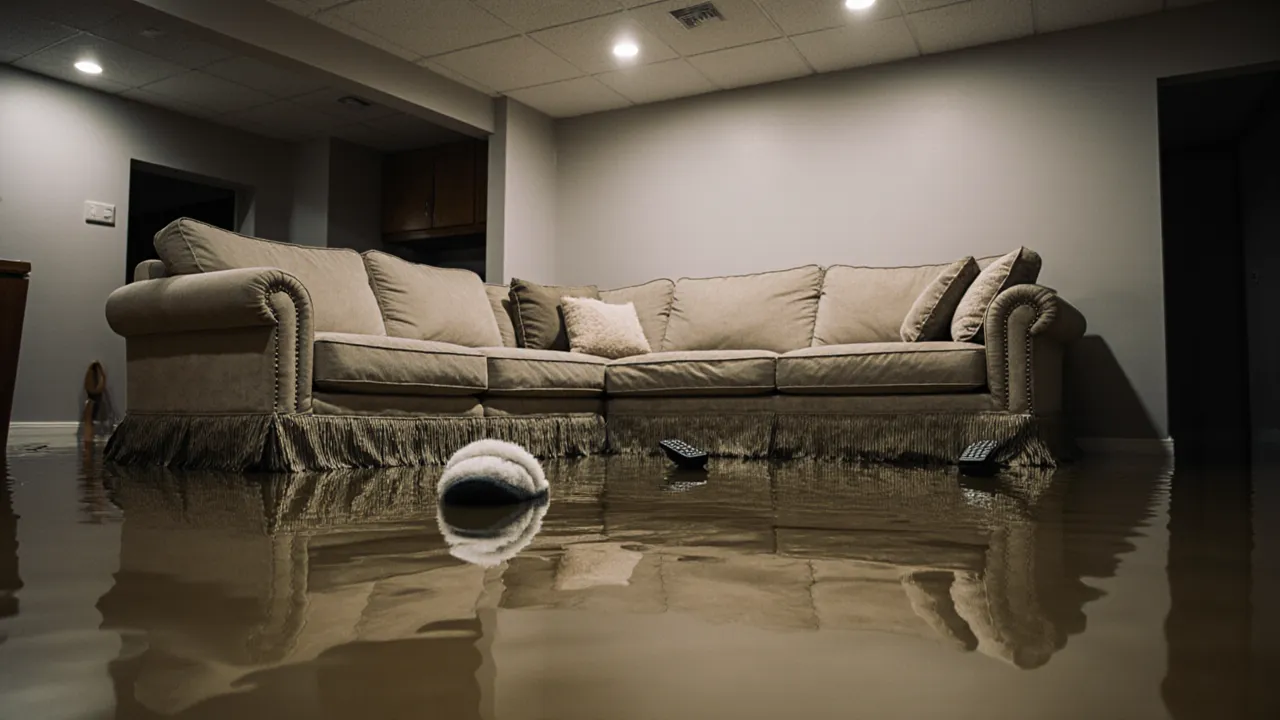
    Flooded finished basement family room in Cedar Rapids with water covering the floor around a soaked sofa

    Cedar Rapids is a city that knows what water can do. The 2008 crest on the Cedar River rewrote the record book by roughly ten feet and reshaped whole neighborhoods, and 2016 sent the city through the drill again. But the flood that actually reaches most Cedar Rapids homeowners is smaller and far more common than a river event: a sump pump that stops working during a heavy spring rain, and eight inches of water in a finished basement by morning.

    This guide explains why Cedar Rapids basements flood, how sump systems fail, what to do in the first hour, how professional drying works on a deep Iowa basement, and how Iowa insurance treats each cause.

    Why Cedar Rapids Basements Take On Water

    Two features of the local landscape put pressure on basements. The first is the Cedar River corridor itself and the flat floodplain around it, where the water table is naturally high and neighborhoods like Czech Village, NewBo and the Time Check area sit close to the river. The second is the glacial till that covers most of Linn County: a dense, clay-rich soil that drains slowly. When a two-inch rain falls on ground that is already saturated from snowmelt, the water does not soak away. It moves laterally through the backfill around your foundation, which is looser than the undisturbed soil beside it, and collects exactly where your footing drain is supposed to carry it off.

    Iowa basements are also deep. A frost line that runs well past three feet means full basements are standard rather than optional, and a deep basement is simply a large box sitting below the water table during the wettest weeks of the year. Hydrostatic pressure finds the cold joint where the wall meets the floor, the tie-rod holes, and any crack that has opened as the foundation settled. That is why the classic Cedar Rapids basement leak appears at the base of the wall rather than raining down from above.

    Layered on top is severe weather. The August 2020 derecho was a reminder that a wind event can strip roofs and drop trees across an entire metro in under an hour, and roof damage from a storm like that produces interior water losses for months afterward, long after the visible debris is cleared.

    How Sump Pump Systems Fail

    Most flooded Cedar Rapids basements are not a story about the river. They are a story about one pump. Sump systems fail in a small number of predictable ways, and every one of them is preventable.

    • Power loss during the storm that needs it most. The same line of storms that drops three inches of rain also knocks out power. A pump without a battery backup or water-powered backup is a decoration during an outage.
    • Age. A residential sump pump is a consumable. Many fail somewhere between seven and ten years, and they rarely announce it in advance.
    • A stuck float switch. Debris, a shifted pump or a pit that is too tight lets the float hang up. The motor never gets the signal.
    • A frozen or blocked discharge line. If the discharge exits at grade and freezes shut in late winter, the pump runs, the water has nowhere to go, and it comes back into the pit.
    • Undersized capacity. A pump that handles routine groundwater cannot keep up with a saturated spring soil profile and a heavy rain arriving together.
    • No check valve, or a failed one. Water in the discharge pipe drains back into the pit and the pump short-cycles itself to an early death.

    Testing takes two minutes: pour five gallons into the pit, confirm the pump starts, moves water and shuts off, then walk outside and confirm the discharge is actually flowing away from the house. Do it in March, and again before a wet stretch.

    Your First 60 Minutes

    • Cut power to the basement at the breaker before you step into standing water. Do not reach for a submerged cord.
    • Identify the source. Clear water rising evenly from the floor is groundwater. Water from one wall is usually a foundation or window well failure. Water with an odor is sewer backup and needs to be treated as contaminated from the start.
    • Photograph everything before moving it, including the water line on the drywall and on stored boxes.
    • Get contents up. Lift furniture legs onto blocks, pull rugs, and move boxes, electronics and anything with sentimental value to the main floor.
    • Do not run the furnace or central air if ductwork in the basement took on water; you will move contamination and humidity through the house.
    • Call for extraction the same hour. A shop vacuum can handle a puddle. It cannot dry a structure, and finished basements hide most of their water inside the wall assembly.

    Drying a Finished Iowa Basement Properly

    Finished basements are the hardest residential drying job there is, because almost everything that got wet is hidden. Carpet pad holds water like a sponge. Drywall wicks it upward well past the visible line. The framing behind it, the insulation in the stud bays and the underside of the subfloor above can all stay saturated while the surface looks dry.

    A crew working to the IICRC S500 standard extracts standing water first, then maps the true moisture footprint with meters rather than guessing from the stain line. Carpet pad is almost always removed. Drywall is typically cut above the wick line so the cavity can be dried and inspected, and wet fiberglass insulation comes out because it holds water and loses its function anyway. Air movers and low-grain refrigerant dehumidifiers then run continuously, with daily readings logged, until documented dry standards are met, usually three to five days. Where the water was contaminated, containment and antimicrobial treatment come first. Only then does rebuild start. Our four-phase process lays out each step.

    Mold Risk in an Iowa Basement

    Iowa summers are humid, and a basement is the coolest surface in the house, which makes it the place where humid air gives up its moisture. Mold can begin on wet organic material within 24 to 48 hours. A basement that was pumped out but never properly dried will smell within a couple of weeks, and that smell is not a nuisance; it is a report that something behind the drywall is still wet. Correcting the moisture source is the real remedy. Where growth is established, mold remediation under IICRC S520 means containment, HEPA filtration and removal of affected porous materials.

    Prevention That Actually Works Here

    • Add a battery backup sump pump, and replace the battery on schedule. In Cedar Rapids this is the single highest-value upgrade a homeowner can make.
    • Replace the primary pump around year eight rather than waiting for it to fail during a storm.
    • Extend downspouts six to ten feet from the foundation. Most basement water starts as roof water dropped next to the wall.
    • Regrade settled backfill so soil slopes away from the house, and keep window wells covered and drained.
    • Add a backwater valve if you have ever had sewer backup, and confirm your policy has the matching endorsement.
    • Keep the discharge line above the frost problem and clear of ice in late winter.
    • Store valuables off the floor, on shelving rather than in cardboard directly on the slab.

    Insurance in Iowa: Which Policy Responds

    A standard Iowa homeowners policy generally covers sudden and accidental discharge from inside the home, such as a burst supply line or a failed water heater, and wind-driven rain entering through an opening a storm created. It does not cover rising surface water or river flooding, which require separate NFIP or private flood coverage. Groundwater seepage through a foundation is also typically excluded as a maintenance issue rather than a sudden loss.

    The two endorsements that matter most in Cedar Rapids are sewer and drain backup coverage and sump pump failure coverage. Neither is included by default on most policies, both are relatively inexpensive, and together they cover the majority of basement losses that actually happen here. Check your declarations page before the spring, not after. Our insurance guide and our post on what homeowners insurance covers explain the distinctions in plain language.

    Frequently Asked Questions

    Does homeowners insurance cover a failed sump pump in Cedar Rapids?

    Usually only if you carry a sump pump failure or water backup endorsement. Standard policies exclude groundwater and sump overflow. The endorsement is inexpensive relative to the cost of a finished basement rebuild, and it is worth confirming on your declarations page before spring.

    How long does a flooded basement take to dry?

    Typically three to five days of continuous equipment operation once extraction and material removal are done, sometimes longer for a deep basement with saturated framing. Drying is finished when documented moisture readings meet the dry standard, not when surfaces feel dry to the touch.

    Can I just run a household dehumidifier and fans?

    Not for a real loss. Household units move a fraction of the air and remove a fraction of the moisture of commercial equipment, and they do nothing about water trapped in wall cavities, under carpet pad or beneath the subfloor. Undried cavities are exactly where mold develops.

    Is water in my basement a river flood risk or a groundwater problem?

    Most Cedar Rapids basement losses are groundwater and sump-related rather than river flooding. Water rising evenly through the floor and the wall-floor joint during a heavy rain points to hydrostatic pressure and a sump system that could not keep up.

    How fast can a crew reach my home?

    We dispatch 24 hours a day and crews serve Cedar Rapids and the surrounding Linn County area. Arrival time depends on your location and current demand, which spikes across the whole metro during a regional storm, so calling early in an event helps.

    Get Help Now in Cedar Rapids

    Water damage in Cedar Rapids does not pause overnight or wait for business hours. Call our 24/7 dispatch line at (888) 502-0998 and we will get an IICRC-certified crew moving toward your property and coordinate directly with your insurance carrier.

    Related Resources

☎ Call (888) 502-0998 — 24/7