24/7 Emergency Water Damage Response
Need help now? (888) 508-0998

Author: aowdp

  • Educational

    Why New Orleans Homes Need Fast Flood Cleanup

    In New Orleans, flood water and humidity make speed critical. Learn why fast cleanup prevents mold and structural loss, and what to…

    Read more →

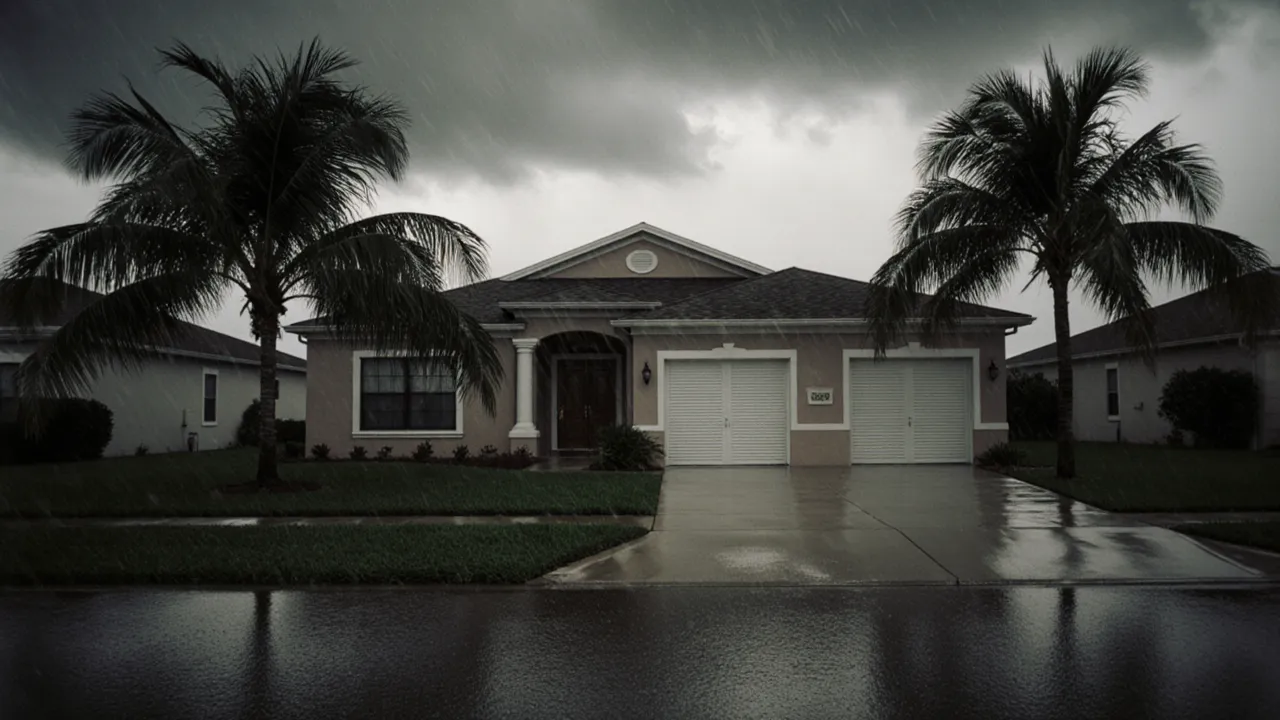
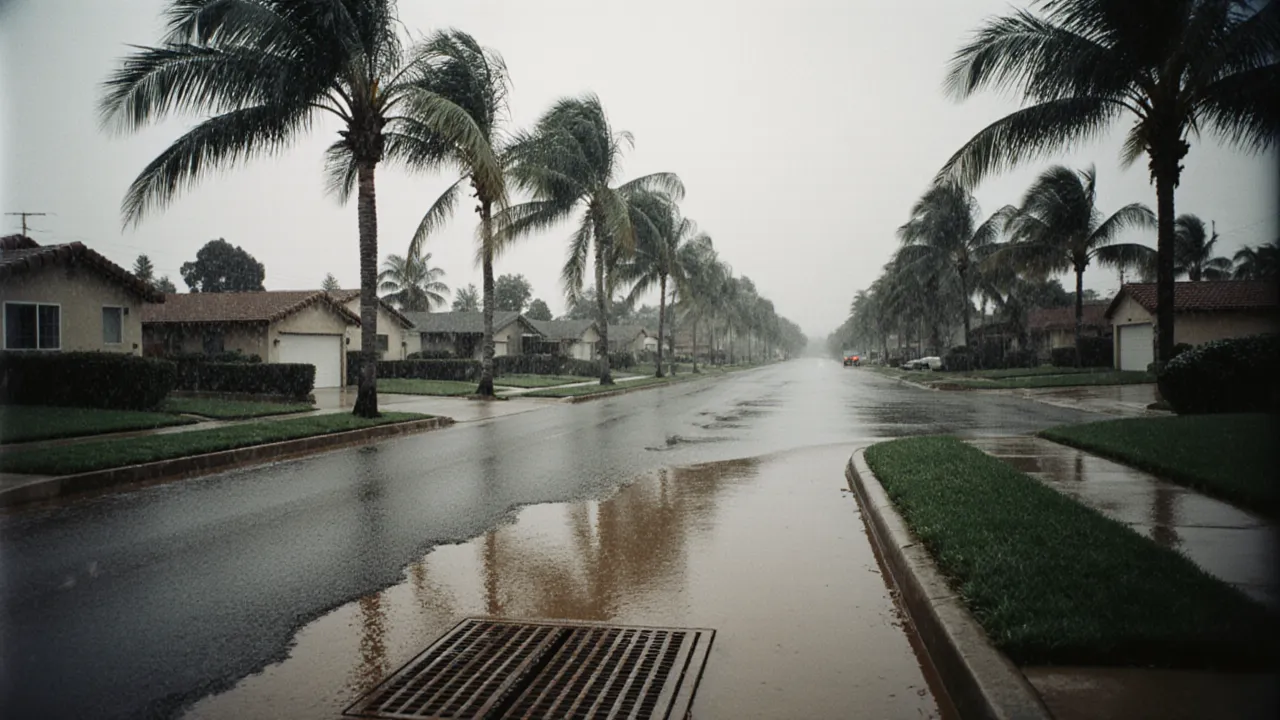
    No American city lives with water quite like New Orleans. Below-sea-level elevation, a high water table, hurricane storm surge, and intense subtropical downpours mean flood risk is a year-round reality from the Garden District to Gentilly. But what makes New Orleans flooding uniquely dangerous is not just how often water enters homes, it is how fast that water turns into a much larger problem. In the city’s heat and humidity, the window between a wet floor and a mold-infested structure is measured in hours, not days. Fast, professional flood cleanup is the single most important factor in whether a flooded New Orleans home recovers cleanly or becomes a gut renovation.

    Quick answer: In New Orleans humidity, mold can begin colonizing wet materials within 24 to 48 hours, faster than the national 72-hour guideline. The faster floodwater is extracted and the structure is dried, the more of your home and belongings can be saved. If your home is flooding, stop the inflow if safe, cut power to wet areas, document everything, and get a restoration crew on site immediately.

    Why Speed Matters More in New Orleans

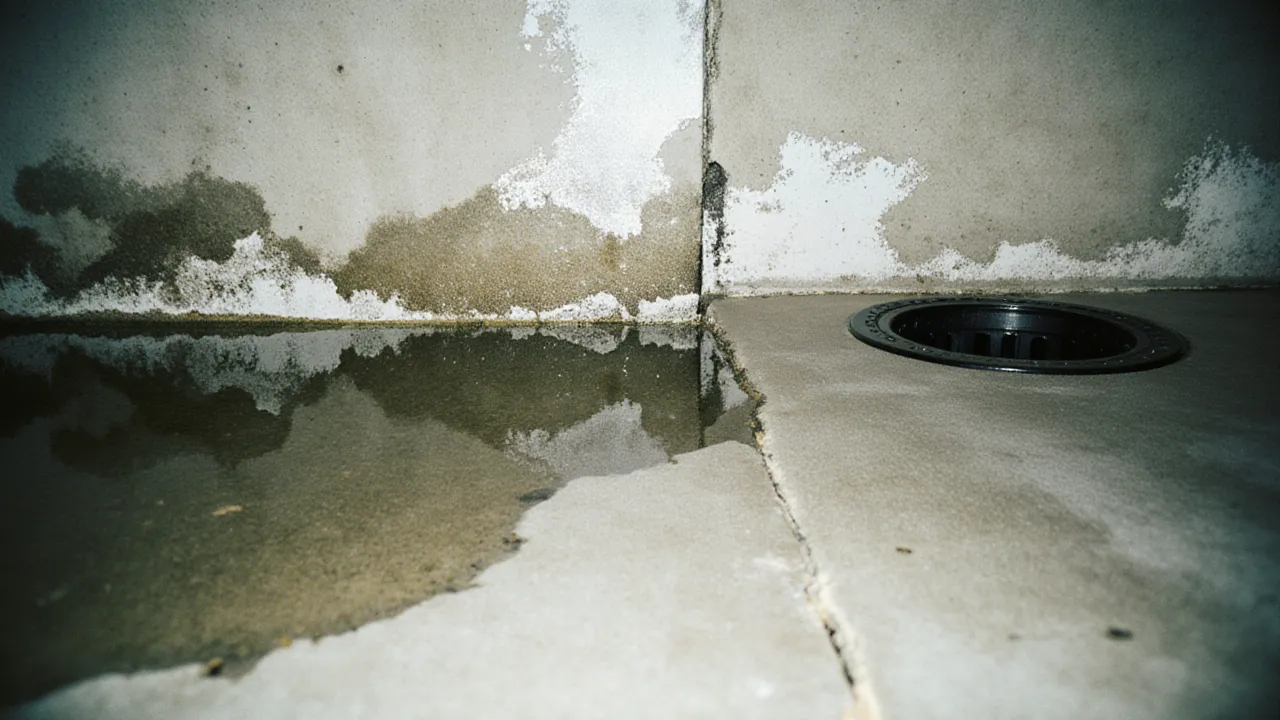
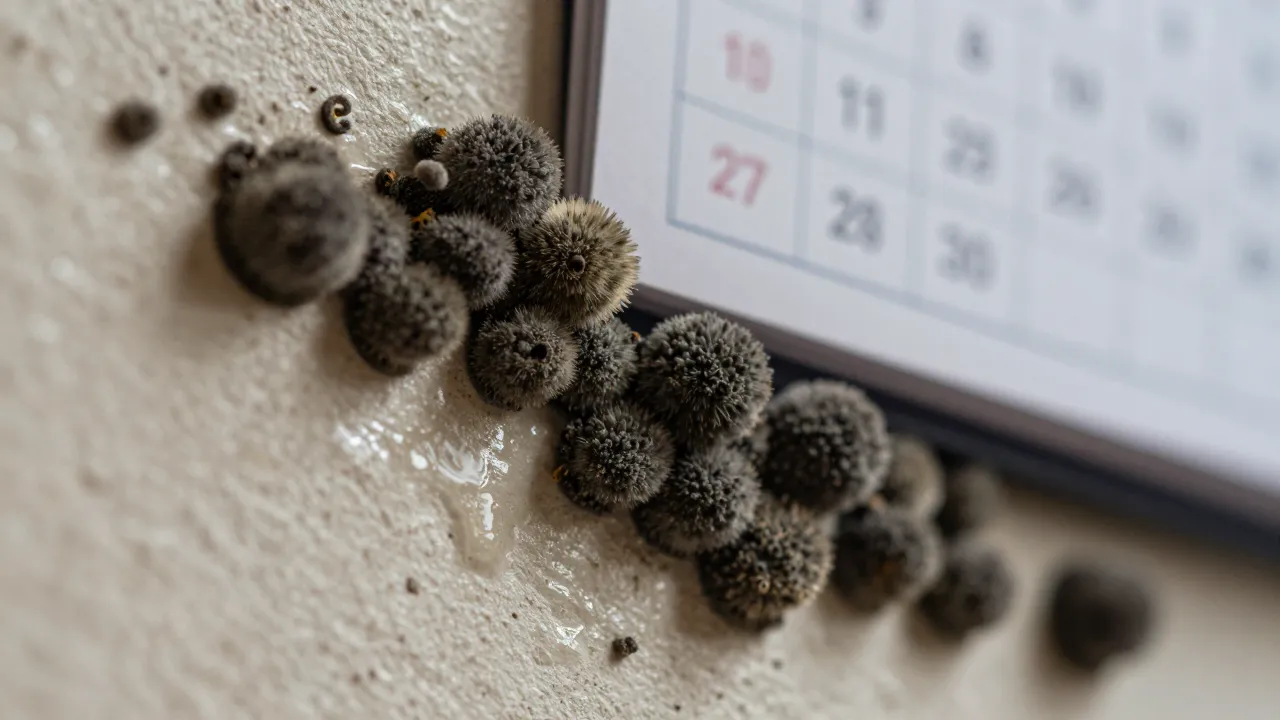
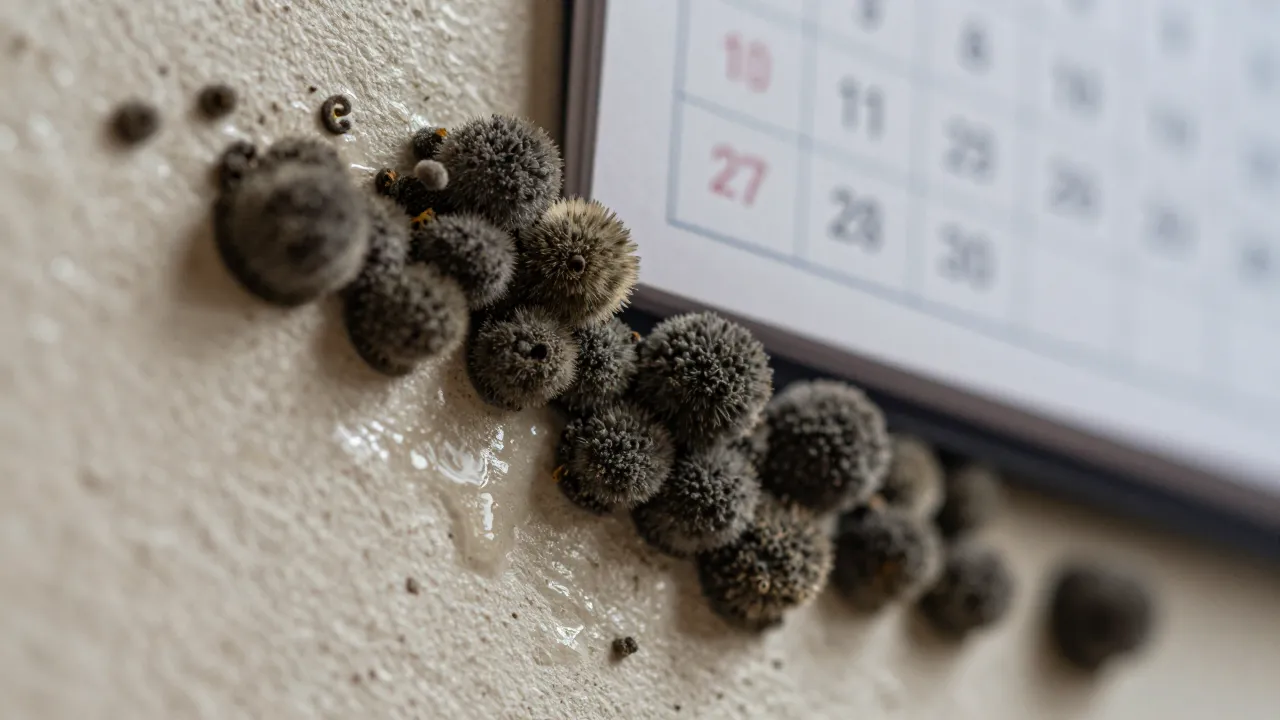
    Indoor relative humidity in New Orleans frequently sits at 60 to 70 percent before any water event. Add standing floodwater and the air inside wall cavities reaches saturation almost immediately, creating ideal conditions for mold. The IICRC industry standard cites a roughly 72-hour mold-growth window on porous materials, but in the Gulf South that window compresses to 24 to 48 hours. Every hour standing water sits against drywall, subfloor, and framing increases the share of your home that must be removed rather than dried.

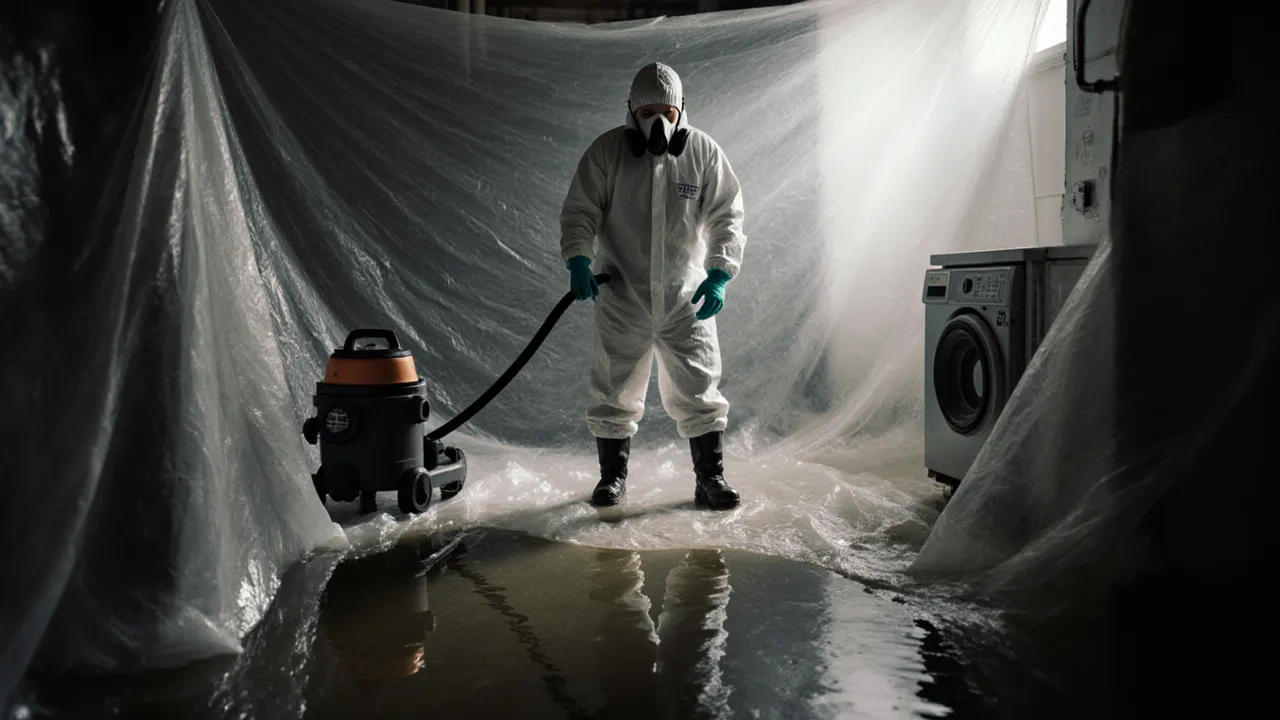
    Floodwater also carries a second danger: contamination. Storm surge, street flooding, and sewer backup are Category 3 black water, which carries bacteria and requires antimicrobial protocols, protective equipment, and disposal of porous materials. Treating contaminated water like a clean spill is both ineffective and a health hazard.

    The First Steps When Water Enters

    When water appears, act in this order:

    • Stop the inflow if you can do so safely. For roof leaks, tarp the area; for surface flooding, redirect downspouts and place barriers.
    • Cut power to affected circuits at the breaker before entering standing water.
    • Document with time-stamped photos and video before moving anything.
    • Move salvageable contents to a dry, higher level.
    • Call a restoration crew immediately for truck-mounted extraction and drying.

    Do not attempt to live in or dry out a Category 3 flood yourself. Contaminated water requires professional handling.

    How Professional Flood Cleanup Works

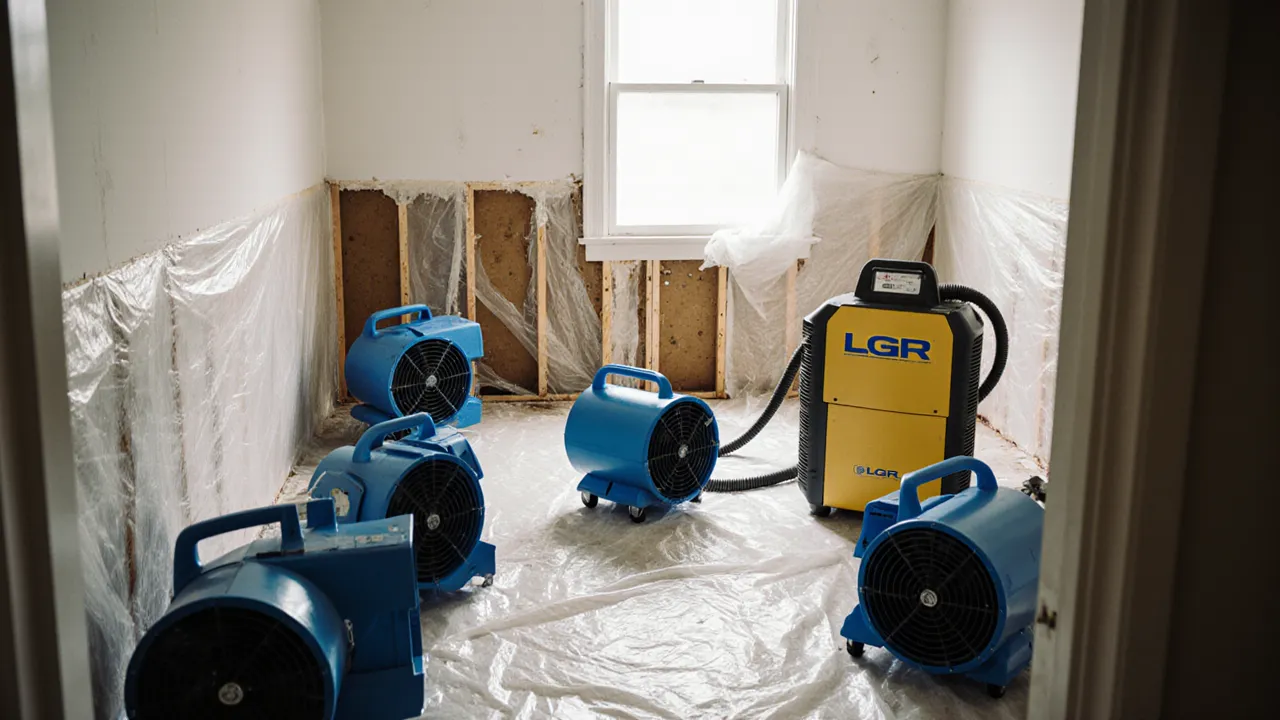
    Professional flood restoration follows a defined sequence: extraction of standing water, removal of unsalvageable porous materials, antimicrobial treatment for contaminated losses, and multi-day structural drying with commercial dehumidifiers sized above the textbook calculation to account for marine-layer humidity. Crews verify dryness with moisture meters and thermal imaging before pulling equipment, and generate a moisture map for your insurance file. This documentation matters enormously in New Orleans, where coverage often hinges on proving the source and category of water.

    The Insurance Reality in Louisiana

    Here is the trap that catches New Orleans homeowners: a standard Louisiana homeowners policy covers sudden interior discharge, like a burst pipe, and wind-driven rain through storm damage, but it does not cover rising surface floodwater or storm surge. Those require separate NFIP or private flood insurance. After a flood, documenting the precise source of water determines which policy responds. We carefully document each loss and bill carriers directly so the correct coverage applies.

    Protecting Your Home Between Events

    You cannot stop a hurricane, but you can reduce flood losses. Confirm you carry flood insurance; homeowners coverage alone is not enough in New Orleans. Maintain and test your sump pump and any sewage ejector before hurricane season. Keep drainage paths clear so rain moves away from the foundation. Run dehumidification in summer to keep indoor humidity below 60 percent. And establish a relationship with a restoration company before the storm, so you have priority when the whole metro is calling at once.

    People Also Ask

    Does New Orleans homeowners insurance cover flood cleanup?

    Not for rising floodwater or storm surge, which are excluded and require separate NFIP or private flood insurance. Sudden internal leaks like burst pipes are covered under homeowners policies.

    How fast does mold grow after flooding in New Orleans?

    In the city’s humidity, mold can begin within 24 to 48 hours on wet porous materials. Extraction and commercial drying within the first day is the best defense.

    Can I clean up flood water myself?

    Clean-water spills caught immediately can sometimes be handled DIY, but storm surge, street flooding, and sewer backup are contaminated Category 3 water that requires professional protocols and protective equipment.

    What gets thrown away after a flood?

    Porous materials saturated by contaminated water, such as carpet, pad, soaked drywall, and insulation, are typically removed under IICRC protocols. Hard, non-porous surfaces can often be cleaned and sanitized.

    How long does flood restoration take in New Orleans?

    Structural drying typically runs 5 to 10 days depending on water category and humidity, with contaminated-water and mold scopes extending the timeline. Reconstruction adds additional weeks.

    Get Help Now

    If your New Orleans or Baton Rouge home has flooded, every hour counts in this climate. Our IICRC-certified crews dispatch 24/7, follow full antimicrobial protocols for contaminated water, and document everything for your insurance file.

    Call (888) 508-0998 for 24/7 emergency dispatch. See our New Orleans water damage restoration and Baton Rouge pages, or learn about flood damage restoration, emergency water removal, and mold remediation.

    {“@context”: “https://schema.org”, “@type”: “FAQPage”, “mainEntity”: [{“@type”: “Question”, “name”: “Does New Orleans homeowners insurance cover flood cleanup?”, “acceptedAnswer”: {“@type”: “Answer”, “text”: “Not for rising floodwater or storm surge, which are excluded and require separate NFIP or private flood insurance. Sudden internal leaks like burst pipes are covered under homeowners policies.”}}, {“@type”: “Question”, “name”: “How fast does mold grow after flooding in New Orleans?”, “acceptedAnswer”: {“@type”: “Answer”, “text”: “In the city’s humidity, mold can begin within 24 to 48 hours on wet porous materials. Extraction and commercial drying within the first day is the best defense.”}}, {“@type”: “Question”, “name”: “Can I clean up flood water myself?”, “acceptedAnswer”: {“@type”: “Answer”, “text”: “Clean-water spills caught immediately can sometimes be handled DIY, but storm surge, street flooding, and sewer backup are contaminated Category 3 water that requires professional protocols and protective equipment.”}}, {“@type”: “Question”, “name”: “What gets thrown away after a flood?”, “acceptedAnswer”: {“@type”: “Answer”, “text”: “Porous materials saturated by contaminated water, such as carpet, pad, soaked drywall, and insulation, are typically removed under IICRC protocols. Hard, non-porous surfaces can often be cleaned and sanitized.”}}, {“@type”: “Question”, “name”: “How long does flood restoration take in New Orleans?”, “acceptedAnswer”: {“@type”: “Answer”, “text”: “Structural drying typically runs 5 to 10 days depending on water category and humidity, with contaminated-water and mold scopes extending the timeline. Reconstruction adds additional weeks.”}}]}

  • Mold

    How to Prevent Mold After Water Damage: A 72-Hour Action Plan

    Mold is not inevitable after water damage. It is the result of moisture left in place long enough for spores to colonize,…

    Read more →

    Mold is not inevitable after water damage. It is the result of moisture left in place long enough for spores to colonize, and that means it is largely preventable if you act fast. The IICRC industry standard identifies a roughly 72-hour window before mold typically begins forming on wet porous materials. Here is a practical hour-by-hour action plan to keep a water event from turning into a mold problem.

    Hours 0 to 6: Stop the Water and Document

    First, stop the water at its source: shut off the supply valve to a leaking fixture or the home’s main if a pipe burst. Then photograph everything before you move anything, since timestamped photos are what your insurer needs. Cut power to affected circuits at the breaker if water is near outlets. The goal in these first hours is to stop the water from spreading further into the structure.

    Hours 6 to 24: Remove Water and Wet Materials

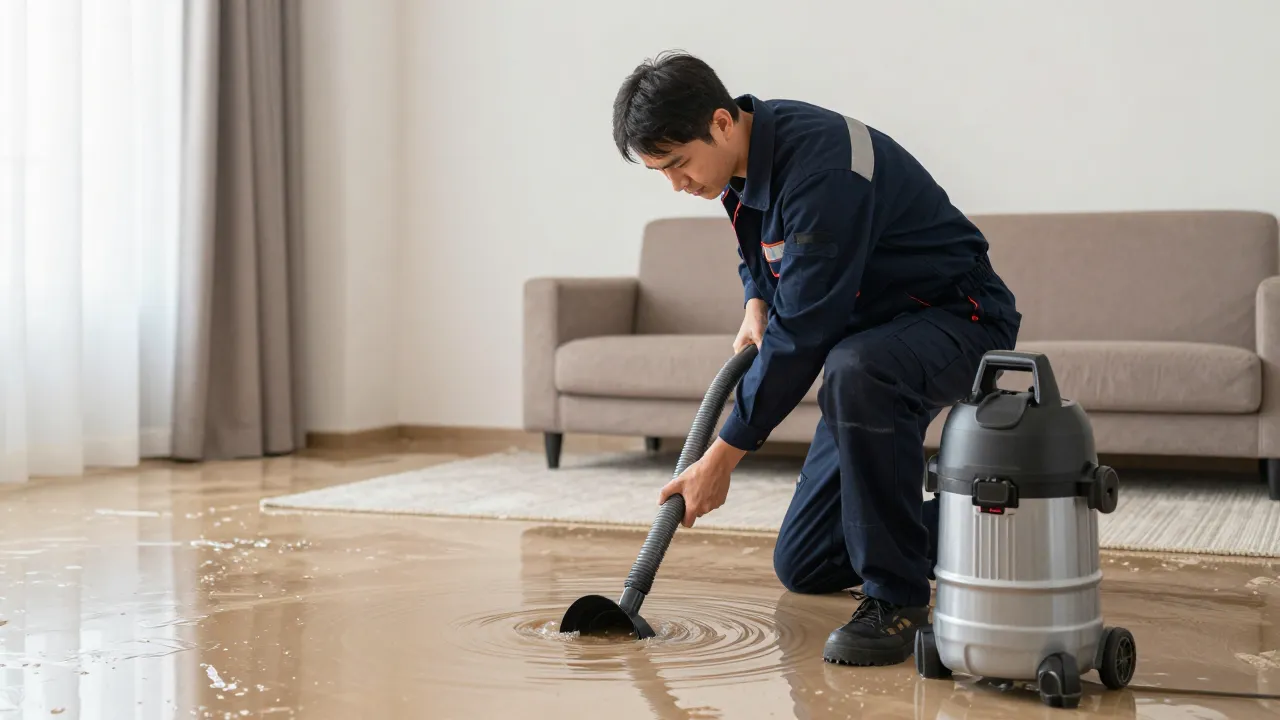
    Extract standing water with a wet-vac, mops, and towels, emptying frequently. Lift area rugs and move furniture out of the wet zone or place foil or wood blocks under the legs. Remove and discard saturated carpet pad, which holds water against the subfloor and is rarely salvageable. Pull wet items away from dry walls. The faster you remove bulk water, the less migrates into porous materials.

    Hours 24 to 48: Maximize Airflow and Drop Humidity

    This is the window where mold prevention is won or lost. Set up as much airflow as possible: position fans to blow across wet surfaces (not directly at one spot), open windows if outside air is drier than inside, and run a dehumidifier continuously. Lowering the indoor humidity is critical because mold needs both moisture and humid air to thrive. If you have access to commercial air movers and dehumidifiers, deploy them now. Open cabinet doors and closet doors so air reaches enclosed wet areas.

    Hours 48 to 72: Check Hidden Moisture

    Surface materials may feel dry while moisture remains trapped inside walls and under flooring. If drywall got wet, water may be wicking upward inside the cavity. This is where a professional with moisture meters and thermal imaging is invaluable, because hidden moisture is exactly what fuels mold growth behind the scenes. If you cannot verify the structure is dry, this is the point to call a restoration company before the 72-hour window closes.

    Why Humidity Matters As Much As Water

    Even after standing water is gone, high indoor humidity keeps porous materials damp and supports mold. In humid climates, the mold-growth window can compress to 24 to 48 hours rather than 72. Running dehumidification aggressively, not just fans, is what actually brings materials back to a safe moisture content. Air movement evaporates moisture into the air; the dehumidifier removes it. You need both.

    When Prevention Is No Longer Enough

    If more than 48 to 72 hours have passed, if the water was contaminated, or if you already smell must or see discoloration, prevention has shifted to remediation. At that point, professional mold remediation under the IICRC S520 standard, with containment and HEPA filtration, is the safe path. Trying to dry mold in place without containment spreads spores through the home.

    Frequently Asked Questions

    How long do I have to prevent mold after water damage?

    Roughly 72 hours on porous materials, and as little as 24 to 48 hours in humid conditions. The sooner you dry the structure completely, the lower the risk.

    Will fans alone prevent mold?

    Not reliably. Fans move air and speed evaporation, but without a dehumidifier to remove that moisture from the air, humidity stays high and mold can still form. Use both together.

    Should I call a professional even for a small leak?

    For a small, clean, quickly-dried spill, often not. But if water reached walls or flooring, or if you cannot confirm everything is fully dry within 48 hours, a professional assessment is the safest move.

    Beat the 72-Hour Clock

    If you want certainty that your home is fully dry before mold can form, our IICRC-certified crews bring commercial drying equipment and moisture detection.

    Call (888) 508-0998 for 24/7 response. Related: mold remediation specialists, water damage restoration, water removal.

  • Educational

    Water Damage Restoration vs. DIY: When to Call a Professional

    When water damage strikes, a natural first instinct is to grab towels and a shop-vac and handle it yourself. For very small,…

    Read more →

    When water damage strikes, a natural first instinct is to grab towels and a shop-vac and handle it yourself. For very small, clean-water spills, that can be the right call. But many water events look manageable on the surface while hiding damage that only specialized equipment can detect and resolve. Knowing where the line falls saves homeowners thousands of dollars in secondary damage and mold remediation.

    When DIY Is Reasonable

    You can usually handle a water event yourself when all of these are true: the water is clean (from a supply line, not sewage or flooding), the affected area is small (a single room or less), the water is caught within the first few hours, and it has not soaked into walls, subfloors, or cabinetry. A burst supply line under a sink caught quickly, or an overflowing bathtub mopped up immediately, often falls into this category. Extract the water, run fans and a dehumidifier, and monitor for any musty smell over the following days.

    When to Call a Professional

    Call a restoration company immediately when any of these apply:

    • The water is contaminated. Sewage backups, flooding, and water that has sat for more than 48 hours are Category 2 or 3 and require professional protocols and protective equipment.
    • Water has reached walls, ceilings, or subfloors. Moisture wicks into porous materials and migrates through cavities where household tools cannot reach.
    • The affected area is large or spans multiple rooms. Consumer fans and dehumidifiers cannot move enough air or remove enough moisture to dry a large area before mold forms.
    • The water event involves an insurance claim. Professional documentation, moisture logs, and IICRC-standard scope are what carriers expect and pay for.
    • You smell must or see discoloration. These are signs mold may already be forming, which requires containment and remediation.

    What Professionals Have That You Do Not

    The gap between DIY and professional restoration is equipment and expertise. Restoration crews use truck-mounted extractors that remove water far faster than a shop-vac, commercial low-grain refrigerant dehumidifiers that pull 15 to 30 gallons of water from the air per day, calibrated moisture meters and thermal imaging to find hidden moisture, and antimicrobial treatments to prevent mold. Most importantly, they know how to read a structure and dry it correctly so moisture does not get sealed inside walls.

    The Hidden Cost of Waiting

    The most expensive water damage outcomes almost always trace back to a delay. Water that looks dry on the surface continues wicking into materials. The IICRC standard warns mold can begin forming within 72 hours. A job that would have cost a few thousand dollars to dry properly becomes a five-figure mold remediation and reconstruction project. When in doubt, a professional assessment is usually free and always cheaper than guessing wrong.

    Frequently Asked Questions

    Is it cheaper to handle water damage myself?

    For small, clean, quickly-caught spills, yes. For anything involving contaminated water, large areas, or moisture in walls, attempting DIY often costs more in the long run because of secondary damage and mold.

    Does insurance still cover it if I start the cleanup myself?

    Yes. Your policy actually requires you to mitigate further damage. Document everything with photos before and during, and call a professional for anything beyond a minor clean-water spill.

    How do I know if water reached inside my walls?

    You often cannot tell by looking. Professionals use moisture meters and thermal imaging to detect hidden moisture. A musty smell or discoloration days later is a strong sign water penetrated further than it appeared.

    Not Sure How Bad It Is? We Will Tell You

    A professional assessment removes the guesswork and tells you exactly what your home needs.

    Call (888) 508-0998 any hour. Related: water damage restoration, water removal experts, mold remediation.

  • Mold

    Black Mold vs. Other Mold: What Homeowners Need to Know

    After any water damage event, mold is the concern that worries homeowners most, and the term “black mold” carries a particular dread.…

    Read more →

    Black mold vs other mold

    After any water damage event, mold is the concern that worries homeowners most, and the term “black mold” carries a particular dread. But not all mold is the same, and understanding the differences helps you respond appropriately rather than panic. Here is what every homeowner should know about household mold, how to identify a serious problem, and when to call a professional.

    What “Black Mold” Actually Means

    The term most people mean by “black mold” is Stachybotrys chartarum, a greenish-black mold that thrives on water-damaged, cellulose-rich materials like drywall, ceiling tiles, and wood that have stayed wet for days. It produces a characteristic musty odor and a slimy or sooty appearance. While it has a fearsome reputation, the more important point is this: any mold growing indoors in significant quantity warrants remediation, regardless of color or species.

    The Common Household Molds

    Beyond Stachybotrys, several molds appear regularly in water-damaged homes. Cladosporium is a common olive-green or brown mold found on damp fabrics and wood. Penicillium spreads quickly across water-damaged materials with a blue-green fuzzy texture. Aspergillus is among the most common indoor molds and appears in many colors. Alternaria shows up in damp bathrooms and around windows. The key insight: identifying the exact species matters less than recognizing that visible mold plus moisture equals a problem that needs addressing.

    How to Recognize a Mold Problem

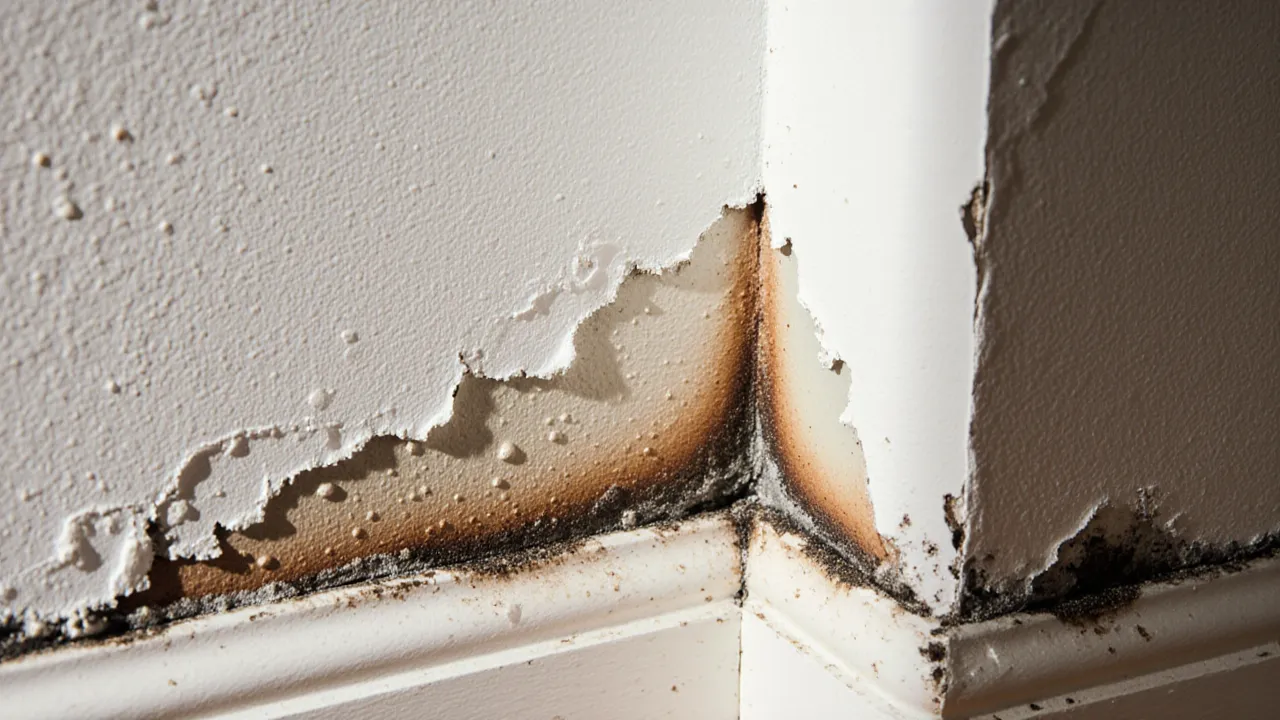
    Mold is not always visible. Watch for these signs after water damage: a persistent musty or earthy smell, discoloration or staining on walls and ceilings, peeling or bubbling paint, warped surfaces, and an increase in allergy-like symptoms (congestion, coughing, itchy eyes) that improve when you leave the house. Mold frequently grows inside wall cavities and under flooring where you cannot see it, which is why professional moisture mapping is valuable after any significant water event.

    Why Mold Forms After Water Damage

    Mold spores are present in virtually all indoor air. They only need moisture and time to colonize. The IICRC industry standard warns that mold growth can begin within 72 hours of water exposure on porous materials. In humid climates or poorly ventilated spaces, that window compresses to 24 to 48 hours. This is why rapid, thorough drying after water damage is the single most effective way to prevent mold.

    Why DIY Mold Removal Often Fails

    Store-bought sprays and bleach treat surface mold but do not address the moisture source or the colonies growing inside wall cavities. Disturbing mold without containment also releases spores throughout the home, spreading the problem. Professional mold remediation under the IICRC S520 standard involves containing the affected area with negative-air pressure, removing contaminated porous materials, treating surfaces with EPA-registered antimicrobials, HEPA filtration, and verifying clearance afterward.

    Frequently Asked Questions

    Is black mold dangerous?

    Any significant indoor mold growth can affect indoor air quality and trigger allergy and respiratory symptoms, especially in sensitive individuals. Rather than focusing on color, the safe approach is to remediate any visible indoor mold and fix the underlying moisture source.

    How fast does mold grow after water damage?

    Mold colonies can begin forming within 72 hours of water exposure, and faster in humid conditions. Getting professional drying started within 24 hours is the best way to prevent mold from becoming part of the loss.

    Can I remove mold myself?

    Small surface areas under about 10 square feet on non-porous surfaces can sometimes be cleaned by a homeowner. Larger areas, mold inside walls, or mold after a Category 2 or 3 water event should be handled by certified professionals to avoid spreading spores.

    Concerned About Mold? Get an Assessment

    If you have had water damage or notice the signs of mold, a professional assessment identifies the full extent of the problem, including hidden growth.

    Call (888) 508-0998 for 24/7 service. Related: mold remediation specialists, water damage restoration, water damage cleanup.

  • Educational

    How Professional Water Damage Restoration Works: The 5-Step Process

    When water invades your home, the difference between a two-week recovery and a months-long ordeal comes down to how quickly and correctly…

    Read more →

    When water invades your home, the difference between a two-week recovery and a months-long ordeal comes down to how quickly and correctly the restoration process is executed. Professional water damage restoration follows a proven, IICRC-standard sequence designed to stop damage, dry the structure, and return your home to its pre-loss condition. Here is exactly what that process looks like.

    Step 1: Emergency Contact and Inspection

    Restoration begins the moment you call. A reputable company answers 24/7 because water damage worsens by the hour. On arrival, a technician inspects the affected area, identifies the water source, and classifies the water under the IICRC S500 standard: Category 1 (clean water from a supply line), Category 2 (greywater from appliances), or Category 3 (blackwater from sewage or flooding). This classification determines the entire scope of work and what materials can be saved.

    Step 2: Water Removal and Extraction

    Standing water is removed first, using truck-mounted or portable extractors that pull 200 to 400 gallons per hour. The faster water is extracted, the less it migrates into walls, subfloors, and structural cavities. Carpet and pad saturated with Category 2 or 3 water are typically removed and discarded at this stage, since porous materials cannot be safely restored once contaminated.

    Step 3: Drying and Dehumidification

    Once standing water is gone, the structure still holds moisture you cannot see. Commercial air movers and low-grain refrigerant dehumidifiers run continuously for several days to pull residual moisture out of drywall, framing, and flooring. Technicians take daily moisture readings with calibrated meters, comparing affected materials to dry control areas elsewhere in the home. Drying is only declared complete when the numbers match.

    Step 4: Cleaning and Sanitizing

    Water damage often leaves behind contaminants, odors, and the conditions for mold growth. Restoration crews clean and sanitize all affected surfaces and salvageable belongings using antimicrobial treatments. For Category 2 and 3 losses, this step is critical and includes negative-air containment to prevent cross-contamination of clean areas.

    Step 5: Restoration and Repairs

    The final step returns your home to normal. This can range from minor repairs like replacing drywall and baseboards to major reconstruction of entire rooms. Reputable companies document every stage for your insurance file, which streamlines your claim and helps maximize covered costs.

    Why Speed Matters

    The IICRC industry standard warns that mold colonies can begin forming within 72 hours of water exposure on porous materials. In humid climates, that window is even shorter. Every hour counts, which is why professional crews prioritize rapid response and immediate mitigation over waiting for an insurance adjuster.

    Frequently Asked Questions

    How long does water damage restoration take?

    A typical clean-water job runs 3 to 5 days for drying, plus reconstruction time. Category 3 events with sewage or flooding can run 10 to 21 days for drying alone, with reconstruction adding 2 to 6 weeks.

    Will my insurance cover water damage restoration?

    Sudden and accidental water discharge (a burst pipe or appliance failure) is typically covered. Flooding from rising water requires separate flood insurance. We document the source of loss carefully and bill major carriers directly.

    Can I stay in my home during restoration?

    For Category 1 events in non-affected rooms, usually yes. Category 3 events with extensive contamination or mold often require temporary relocation, which most policies cover under Additional Living Expense.

    Get Professional Restoration Started Now

    If you have water damage, the first hours are the most important. Our IICRC-certified crews dispatch 24/7 and bill insurance directly.

    Call (888) 508-0998 for emergency response. Related services: water damage restoration, water removal, mold remediation.

  • Flood Cleanup Checklist After Heavy Rain
    Water Damage

    Flood Cleanup Checklist After Heavy Rain

    A clear sequence for handling flood cleanup after a heavy-rain event. Print it, follow it, call us when you reach Step 5.

    Read more →

    After a flood event — whether from a creek overflow, sustained rainfall, or storm surge — the first 12 hours determine the size of the cleanup. Here is the checklist crews use on every flood call, adapted for homeowners to follow before crews arrive.

    Step 1 — Confirm safety before re-entering (immediate)

    • Electrical: Do not enter standing water until the main electrical breaker is off. If the panel is in the affected area, call your utility company to shut off service at the meter.
    • Gas: If you smell gas, leave immediately and call the gas company from outside. Do not flip switches.
    • Structural: Look for sagging ceilings, cracked walls, or shifted foundations. If anything looks compromised, do not enter until a contractor or building inspector clears it.
    • Water classification: Flood water from outside is Category 3 by definition. Assume it carries sewage, chemicals, and contaminants. Wear rubber boots, gloves, and a P100 respirator if you must enter.

    Step 2 — Document before you touch anything

    • Photograph every affected room from multiple angles before moving items
    • Photograph water lines on walls and exterior siding
    • Photograph damaged contents in place
    • Note the time water entered and how high it reached in each room
    • Save weather alerts and news coverage showing the storm event — useful for the insurance claim

    This documentation is what your adjuster will rely on. Photos taken after cleanup are worth a fraction of photos taken at peak damage.

    Step 3 — Get standing water out

    If standing water is more than a couple inches deep or has been sitting for hours, household equipment will not be effective. Truck-mounted extractors pull water out of carpet pad, subfloor, and wall cavities at a rate household equipment cannot match.

    For surface water, sump pumps, wet/dry vacuums, and squeegees can move water toward floor drains or outside. Do not pour contaminated flood water down sinks or toilets if you suspect the municipal sewer is overwhelmed (common during regional flood events in Houston, Memphis, St. Louis, and Kansas City).

    Step 4 — Triage contents

    Decide what to discard, what to try to clean, and what to set aside for professional cleaning:

    • Discard: upholstered furniture, mattresses, pillows, stuffed animals, paper documents, food (including sealed containers in the affected area), wet drywall, wet insulation, particle-board furniture
    • Clean and salvage if possible: sealed wood furniture, glass, ceramic, metal, hardwood floors if the finish is intact, sealed concrete
    • Set aside for assessment: photographs, artwork, electronics (do not power on), heirlooms — specialists can sometimes restore these

    For sealed cardboard boxes of paper documents, the contents are usually salvageable if they can be dried within 48 hours. Spread papers single-layer in a dry area; do not heat them.

    Step 5 — Call for professional dispatch

    For any flood event that reached more than one room or sat for more than a few hours, professional flood damage restoration is appropriate. Crews arrive with truck-mounted extractors, structural drying equipment sized to the affected cubic footage, antimicrobial products specifically registered for Cat 3 water, and the IICRC S500 documentation needed for your insurance claim.

    Call (888) 508-0998. Typical dispatch in flood-impacted areas runs 60–120 minutes during regional events because call volume spikes; we pre-stage crews when major rain is forecast in metros like Sacramento and the Mississippi River corridor.

    Step 6 — Open your flood insurance claim

    Flood from rising surface water is not covered by standard homeowners insurance. You need a separate flood policy through NFIP or a private flood carrier. If you have one:

    • Call your flood policy administrator (not your homeowners carrier — they are usually different)
    • Open the claim with the loss date and rough scope
    • Take notes on what your adjuster says about documentation requirements
    • Keep all receipts for emergency supplies, temporary housing, and discarded items

    Wind-driven rain through storm-damaged roof or windows is usually covered under homeowners (not flood). If you have both flood and homeowners losses from the same storm, you may need to file with both carriers.

    Step 7 — What the cleanup process looks like

    Once crews arrive: containment is set up to isolate the affected area; standing water is extracted; porous materials contacted by Cat 3 water are removed (drywall, insulation, carpet pad, often subfloor); antimicrobial application; air movers and dehumidifiers run continuously for 5–10 days; daily moisture readings verify drying; verified clearance before reconstruction begins.

    Total timeline: 5–14 days mitigation, 3–8 weeks reconstruction depending on scope.

    What to avoid

    • Do not run forced-air HVAC over Cat 3 water — it spreads contaminants
    • Do not save soaked porous materials — they cannot be effectively decontaminated
    • Do not delay calling for dispatch hoping the damage will dry on its own
    • Do not throw out documentation or photographs before insurance assessment
    • Do not pay deductible to a crew before the adjuster has reviewed the scope

    FAQ

    How long do I have to start cleanup?

    Mold growth begins at 24–48 hours. Drying should begin as soon as standing water is out, ideally within 12 hours of the event. Delayed mitigation can void coverage if the carrier can show the homeowner failed to mitigate.

    Can I use household bleach for flood cleanup?

    Household bleach is not appropriate for Cat 3 flood water. EPA-registered antimicrobials specifically designed for sewage and flood contamination are required. Bleach also fails to penetrate porous materials and damages many surfaces.

    Will FEMA help me?

    Federal assistance programs activate after major declared disasters. If your county is included in a federal disaster declaration, FEMA Individual Assistance can provide grants for uninsured losses. Apply at disasterassistance.gov.

    Do you handle flood cleanup in cities along the Mississippi?

    Yes. Memphis, St. Louis, and the broader Mississippi River corridor are part of our regular service area. We pre-stage crews when river-flood watches are active.

    Call (888) 508-0998 for flood emergency dispatch.

  • What to Do in the First 24 Hours After Water Damage
    Water Damage

    What to Do in the First 24 Hours After Water Damage

    The first 24 hours after a water loss is the difference between a mitigation job and a structural rebuild. Here is exactly…

    Read more →

    First 24 hours after water damage

    The first 24 hours after a water loss is the difference between a mitigation job and a structural rebuild. Mold growth starts inside 24–48 hours. Drywall and subfloor begin permanent damage within 8–12 hours of saturation. Your insurance carrier expects documented action from the moment you notice the damage.

    Here is the action list we walk customers through when they call our dispatcher, in priority order.

    Step 1 — Stop the source (0–15 minutes)

    If a supply line is the cause, shut off the main water valve to the building. It is usually in the basement, garage, utility closet, or near the water meter. For a fixture failure (toilet, sink, washer hose), close the local angle stop under the fixture. For roof leaks during active rain there is no shutoff — move to step 2 immediately.

    If the loss involves sewage or storm water, do not enter standing water until you confirm the electrical panel is off. Sewage-contaminated water is Category 3 and carries serious health risks.

    Step 2 — Document everything (15–45 minutes)

    Take photos of every affected room from multiple angles before you move anything. Photograph water lines on walls, soaked materials, damaged contents, and the source of the leak if visible. Your adjuster will require this documentation. Photos taken after cleanup are worth a fraction of photos taken at peak damage.

    Note the time water started entering, the suspected source, and any safety hazards. If sewage or contaminated water is involved, mark which rooms it reached — that drives the scope-of-work documentation later.

    Step 3 — Call for dispatch (45–60 minutes)

    Call (888) 508-0998 and give the dispatcher: your address, the loss type (clean water from supply line, gray water from washer, black water from sewage, storm/flood), affected rooms, and any safety concerns (active leak, electrical risk, sewage). A crew is dispatched immediately — typical arrival is 30–75 minutes depending on city. LA, Houston, and Miami all have inside-the-loop response under an hour.

    Step 4 — Notify your insurance carrier (1–3 hours)

    Open the claim with your insurance carrier as soon as it is safe to do so. You can call us first — mitigation is time-critical and most carriers expect the homeowner to mitigate before they arrive on site. We bill the carrier directly using Xactimate-compatible documentation, but you still need to open the claim under your name.

    Have your policy number, the loss type, and the rough time the damage started. If sewage or flooding is involved, ask whether you have the relevant endorsement; a separate flood insurance policy is required for rising-water losses.

    Step 5 — Begin safe self-mitigation (1–6 hours)

    While waiting for crews, you can safely: lift area rugs and small furniture off wet flooring; place aluminum foil or plastic under furniture legs to prevent staining; open windows if humidity is lower outside; turn off the HVAC system if water reached supply or return registers (running it spreads moisture and contaminants).

    Do not: turn on ceiling fans or HVAC over a Cat 2 or 3 loss; vacuum standing water with a household vacuum; lift wet drywall without containment; enter standing water with shoes you plan to keep wearing.

    Step 6 — What happens when crews arrive (4–8 hours)

    The dispatched water damage restoration crew arrives with truck-mounted extractors, moisture meters, and IICRC S500 documentation tools. They will: scope the loss with moisture readings, photograph everything, set up containment if Cat 2 or 3, extract standing water with truck-mounted equipment, remove unsalvageable materials per S500 categories, and set initial air movers and dehumidifiers. This is the most time-critical phase — every hour matters before mold growth begins.

    What you should NOT do

    Do not wait for insurance approval to start mitigation. Carriers expect homeowners to mitigate; failing to mitigate can reduce or void coverage. Do not throw away damaged materials before documentation. Do not run dehumidifiers in a Cat 2 or 3 zone without containment — you spread contaminants. Do not delay the call because you think it is small. Hidden water behind walls or under floors is often worse than what is visible.

    FAQ

    How fast does mold grow after water damage?

    Mold can begin growing on saturated organic materials (drywall paper, wood, cardboard, fabric) within 24–48 hours of the initial wetting. That is why drying must begin in the first 24 hours.

    Should I turn off electricity?

    If water reached outlets, the electrical panel, or you can see water near energized fixtures, yes — shut off power at the main breaker before entering the room. If the loss is contained to a small area away from electrical, leave power on.

    Will my insurance cover this?

    Sudden-and-accidental water damage from a burst pipe, appliance failure, or storm-damaged roof is usually covered. Rising-water flooding from a river, creek, or storm surge is excluded under standard homeowners and requires a separate flood policy. Long-term seepage from poor maintenance is typically excluded.

    How quickly can a crew arrive?

    Typical dispatch is 30–75 minutes in most metro areas. Outer suburbs and rural addresses can be 60–90 minutes. We pre-stage crews when major storms are forecast.

    Call (888) 508-0998 24/7 for emergency dispatch.

☎ Call (888) 508-0998 — 24/7